Guides
The almanac has one page per creature. These are the pieces that cut across it — what a word actually means, which two spirits keep getting mistaken for each other, and what the Edo compilers thought they were doing.
番Rankings
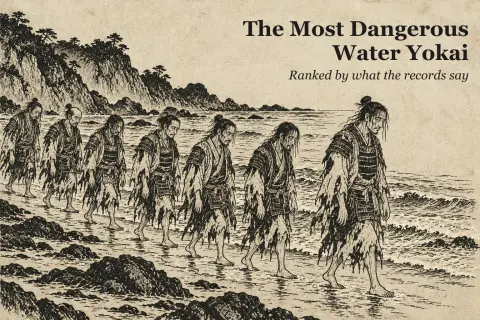
The Most Dangerous Water Yokai, Ranked
We did not rank them by how scary they look. We ranked them by what the old books say they did.
Rankings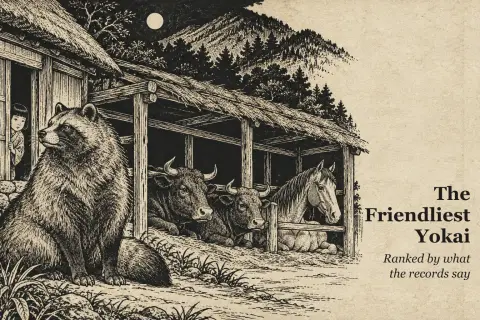
The Friendliest Yokai, Ranked
A tanuki that swore to guard the cattle comes first. The famous lucky house child comes third, because its record is mostly about leaving.
Rankings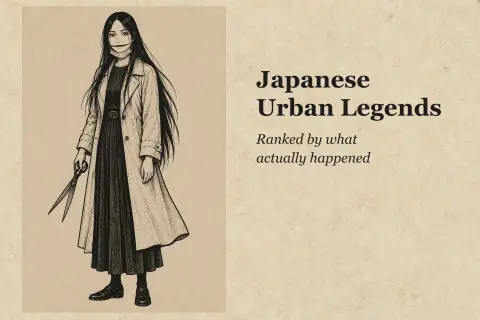
Japanese Urban Legends, Ranked by How Far They Reached Real Life
The test is real life: police, schools, a sold-out ticket. Who is scariest is a different page.
Rankings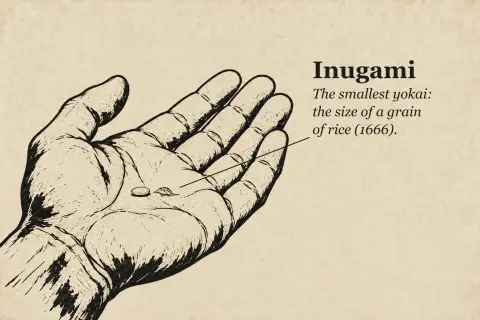
The Smallest Yokai, Ranked by Size
Ten tiny yokai, drawn to scale. Some sizes come from old records. Where a record only says a baby or a child, we turn that into centimetres and say so.
Rankings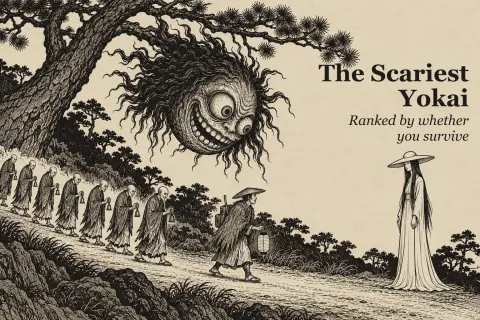
The Scariest Yokai, Ranked by Whether You Survive
Not by how they look. By what the records say happens to the person who meets them, and whether anyone ever got away.
Rankings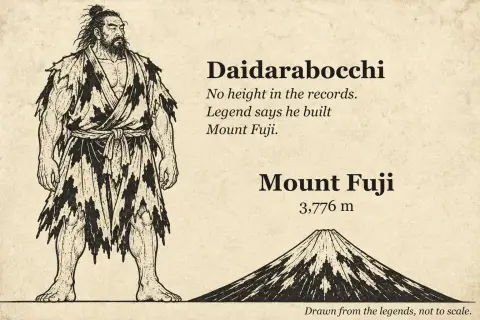
The Biggest Yokai, Ranked by Height
Ten giants, drawn to scale. Some heights come from old records. Where no record gives a number, we made an estimate and say so.
Rankings旅Visit Japan
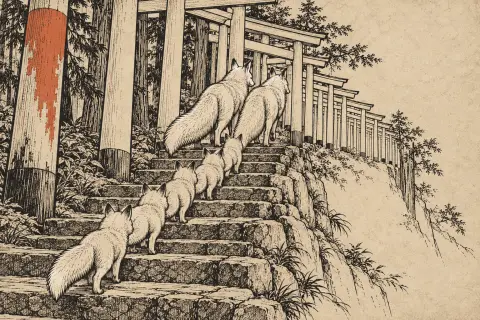
Fushimi Inari: Where to Meet the Foxes
Most visitors photograph the red gates and leave. Here is where the foxes are, what to do at each place, and the fox story behind it.
Visit Japan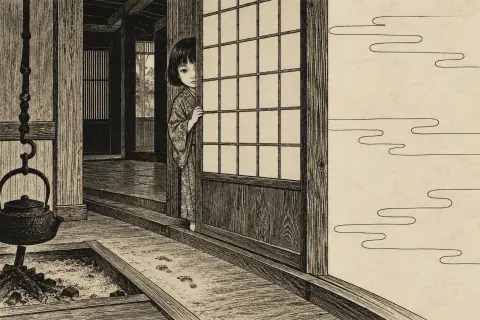
Ryokufuso: How to Stay at the Zashiki-warashi Inn
A hot-spring inn in northern Iwate says a six-year-old boy has guarded it for about 680 years. Here is how to get a room, and what to do if you cannot.
Visit Japan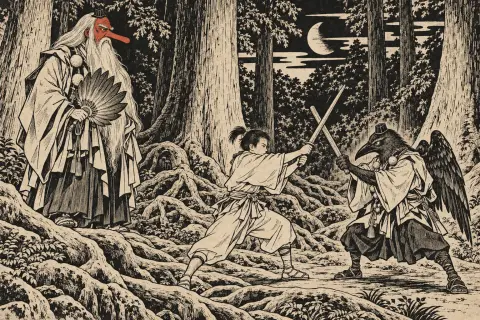
Mt. Kurama: Where to Walk With the Tengu
The mountain where the tengu king lived is an hour from Kyoto Station. What to look for on the trail, and the stories behind each spot.
Visit Japan装Costumes & gifts
祭Festivals & seasons
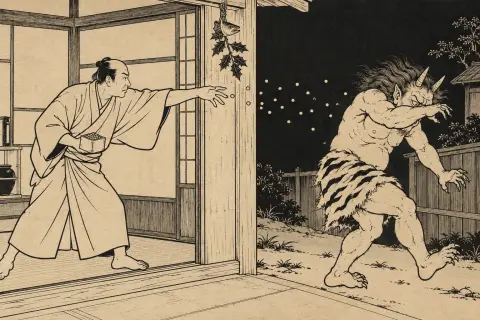
Setsubun: How to Chase the Oni Out
Throw beans, shout at the demon, eat your age. Here is each step, the old court rite behind it, and the temples where the oni still dance.
Festivals & seasons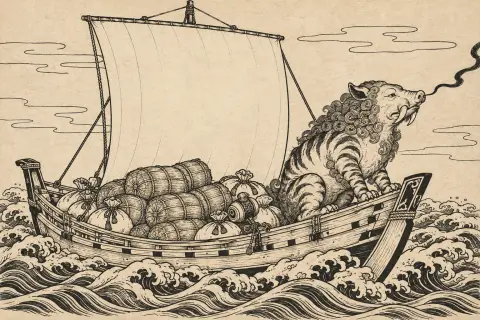
Japanese New Year, Day by Day
Clean the house, ring out the old year, and sleep on a picture for a lucky dream. Each custom is a way to welcome one god: the god of the new year.
Festivals & seasons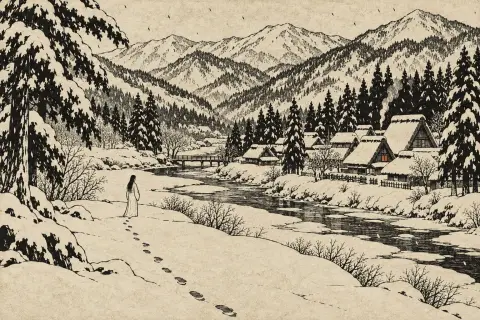
Japan's Winter Yokai, and What They Explained
In the snow country, the danger was rarely a monster. It was the cold, working slowly on a body. The yokai gave it a face.
Festivals & seasons比Comparisons
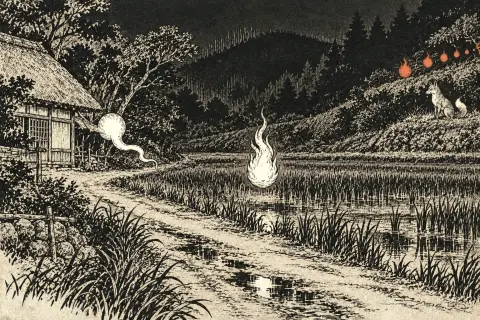
Japanese Ghost Lights, Side by Side
Japan has a name for almost every light that should not be there. The flame looks the same. The owner does not.
Comparisons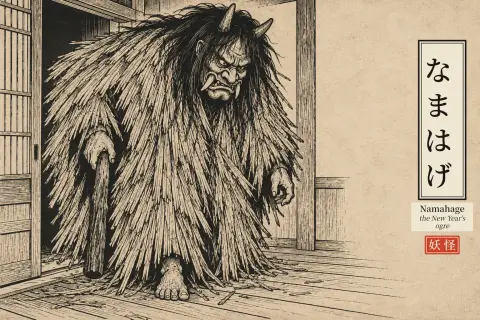
Is Namahage Japan's Krampus?
Two masked visitors who scold children at the end of the year, at opposite ends of the world. The job is the same. What they are is not.
Comparisons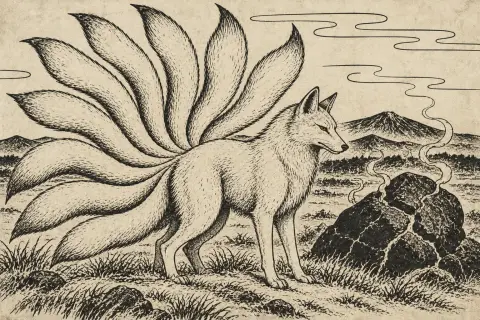
The Yokai Behind Naruto's Tailed Beasts
Everyone knows the fox. The other eight have sources too — and two of them are not yokai at all.
Comparisons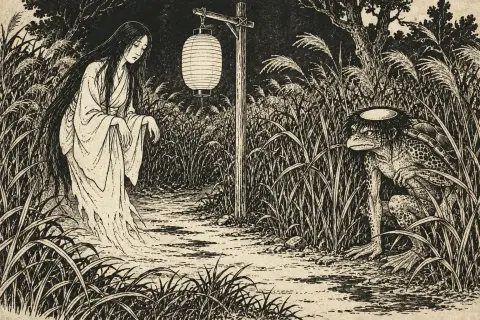
Yokai vs Yurei
Both of them haunt. Only one of them was ever a person.
Comparisons解Explainers
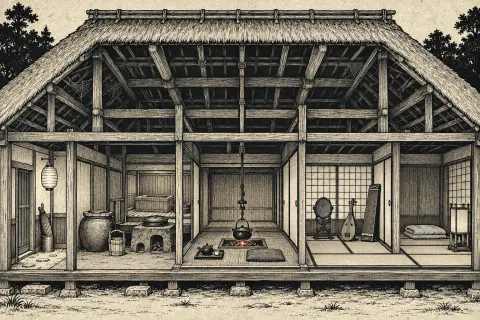
A Night in a Haunted Japanese House
Tap the lantern, the bath, the mirror. Fourteen yokai live in this old farmhouse.
Explainers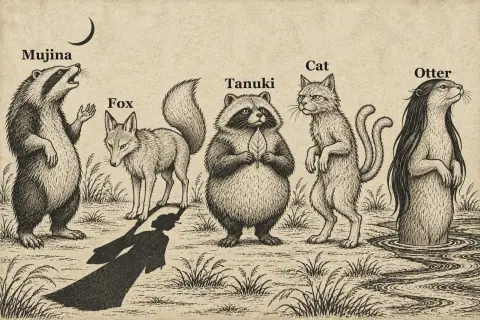
Why Do Japanese Animals Shapeshift?
The fox is the famous one. The first one on record was a mujina that sang.
Explainers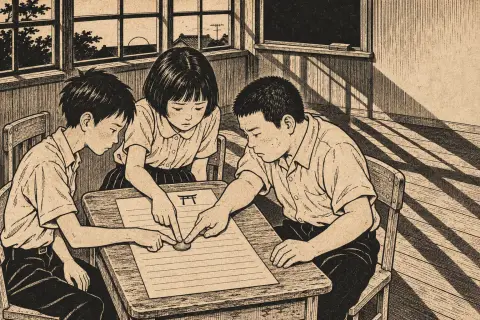
How to Play Kokkuri-san
A sheet of paper, one coin and a few friends. Here is the game step by step, the rules players pass on, and a board you can print tonight.
Explainers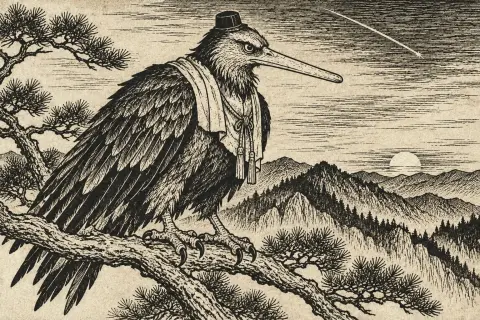
Why Do Tengu Have Long Noses?
Everyone pictures the red face and the long nose. For nine hundred years, the tengu almost never had either. Here is the order in which the parts arrived.
Explainers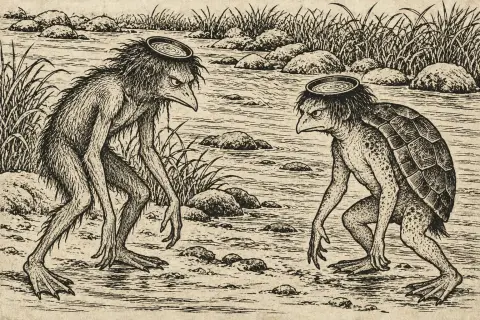
Did the Kappa Always Look Like a Turtle?
The kappa's shell is its newest part. Before the 1760s, the books describe an old otter and a hairy river monkey. The dish came first.
Explainers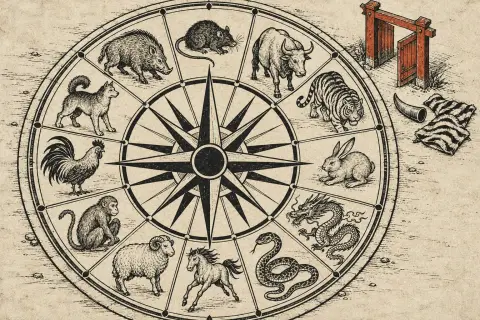
Why Do Oni Have Horns and Tiger-Skin Loincloths?
The famous answer is a direction on the compass. Toriyama Sekien wrote it down in 1779, as common talk. What can be dated tells a stranger story.
Explainers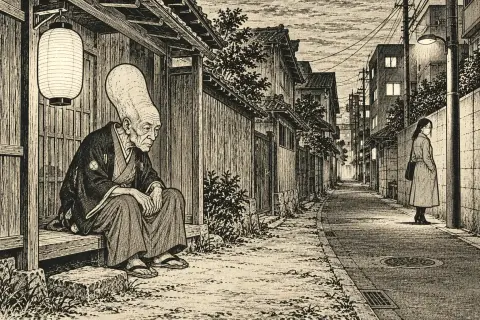
Yokai That Didn't Exist Before the 20th Century
Only six of our 327 were born after 1900. Many more were given a new name, a new face, or a new rank.
Explainers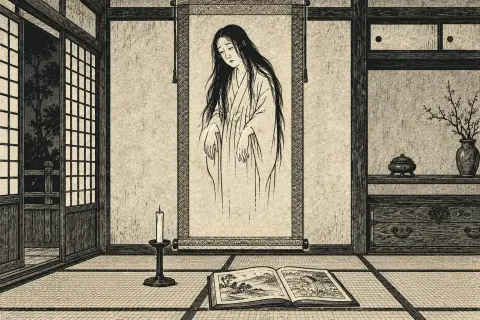
Why Do Japanese Ghosts Have No Feet?
Around 1700, most ghosts still had two feet. By 1800, most had none. Here is how the look was built, one part at a time.
Explainers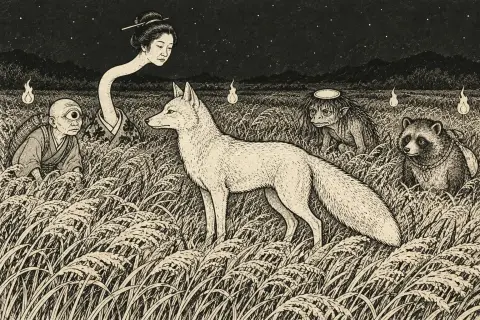
Why Is the Fox Everywhere?
Six of our creatures are foxes. Thirty-eight entries mention one. The fox is not a species here — it is the explanation.
Explainers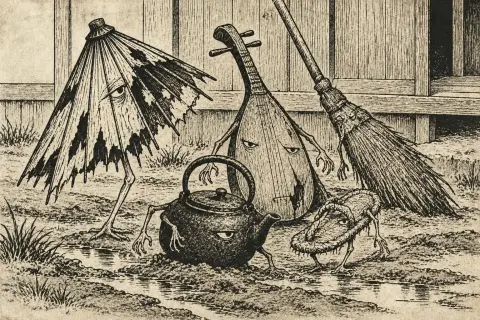
Where the Tsukumogami 100-Year Rule Actually Comes From
The oldest source for the rule about tools quotes a book that has never been found. And the word itself means ninety-nine.
Explainers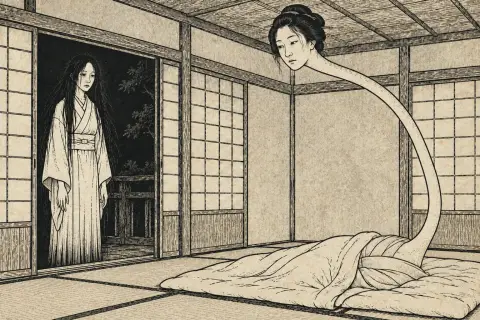
Are Japanese Ghosts Really All Women?
Twenty-five of our thirty-nine are women. Only three of them are clearly dead people. Most are living women who change shape.
Explainers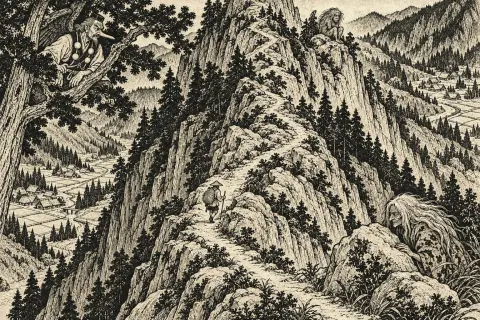
Why Japan Has So Many Mountain Yokai
The mountain fed you, and it stood between you and the next village. Most of these creatures come from the second one.
Explainers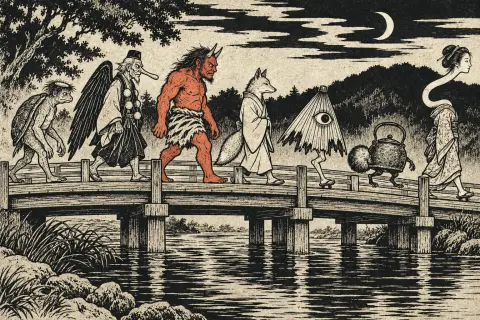
What Is a Yokai?
Not quite monster, not quite spirit. The word says something English has no single word for.
Explainers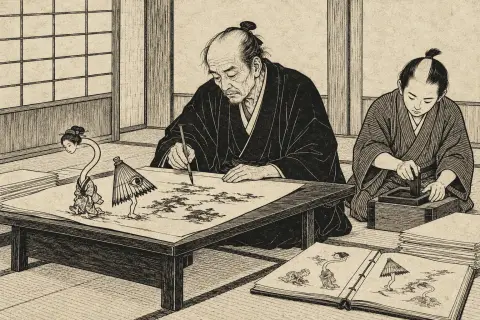
Toriyama Sekien
Four books in eight years. In October 2026, 78 of our 175 creatures named him, and that is the whole problem with the word ancient.
Explainers