Almost everyone who meets Japanese folklore through Naruto meets it through one creature: the nine-tailed fox sealed inside the main character. Far fewer people notice that it is the ninth of a set. There are nine tailed beasts in the series, numbered one through nine by their tails, each of them sealed inside a person.
Most of those nine point at something that existed long before the manga did. A few point at nothing in particular. Telling those apart is the whole of this page, because the usual version — a list of nine monsters presented as nine pieces of ancient folklore — is wrong about at least two of them, and vague about three more.
The nine, and where each actually comes from
| Beast | Points at | How solid is the link |
|---|---|---|
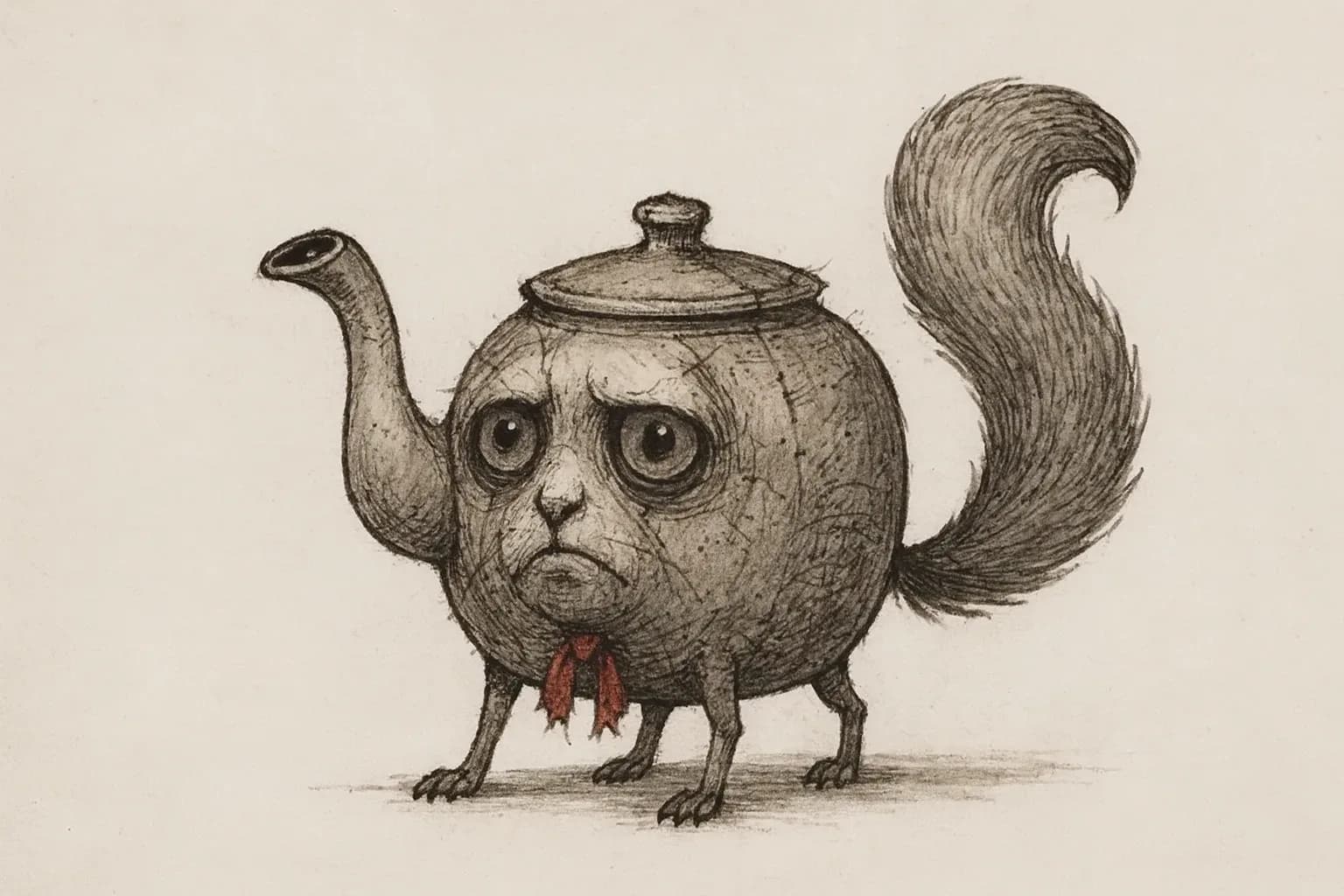
| 1 — Shukaku | Tanuki, and one named tanuki in particular | As strong as the eighth. Shukaku is the tanuki priest of Morin-ji, and the manga seals him in a tea kettle |
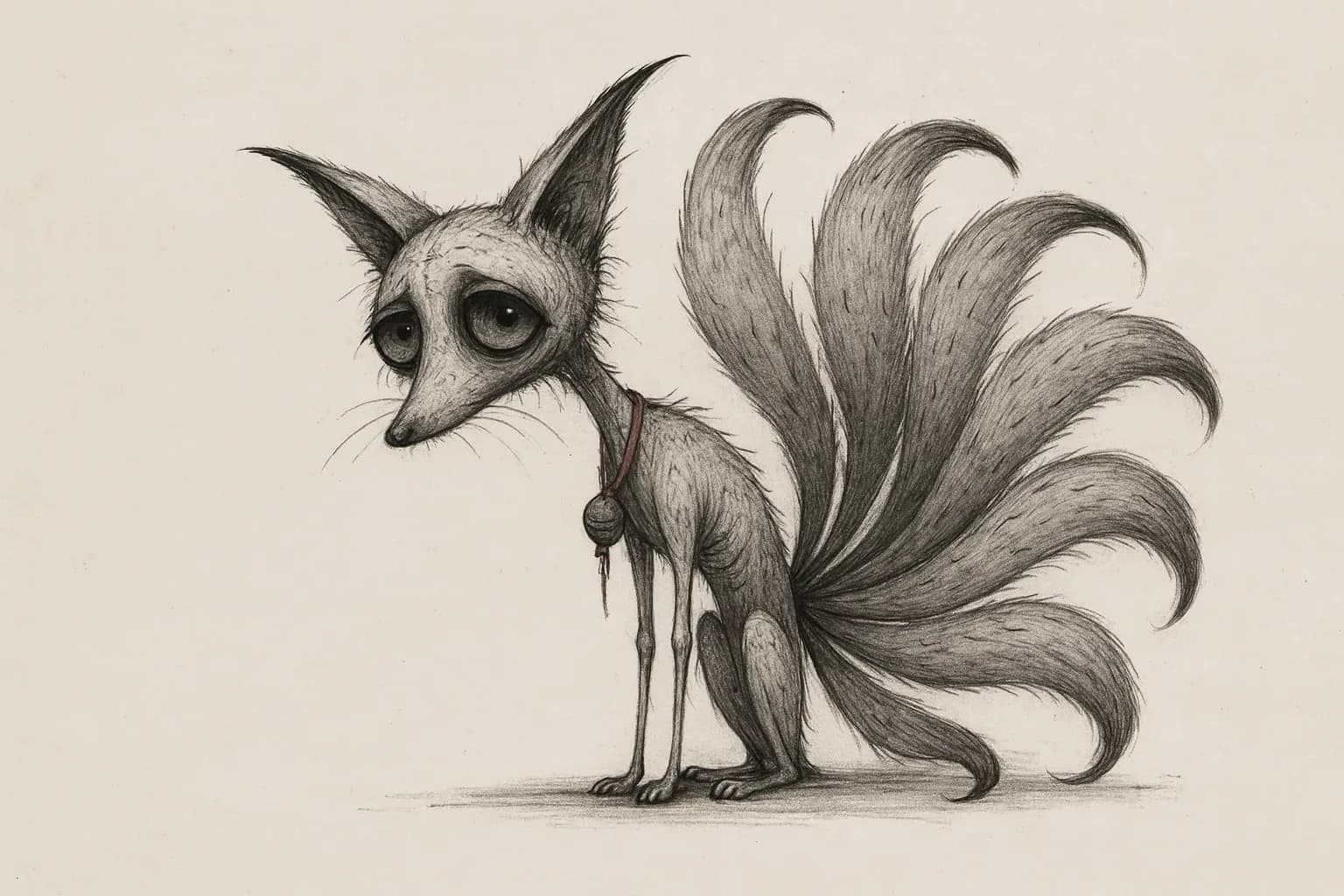
| 2 — Matatabi | Nekomata / bakeneko | Clear. A cat that gains tails with age and handles fire |
| 3 — Isobu | A sea creature, turtle-shaped | Loose. Resembles the tradition of vast sea things that capsize boats without matching one named creature |
| 4 — Son Goku | Sun Wukong, Journey to the West | Not a yokai. Sixteenth-century Chinese fiction |
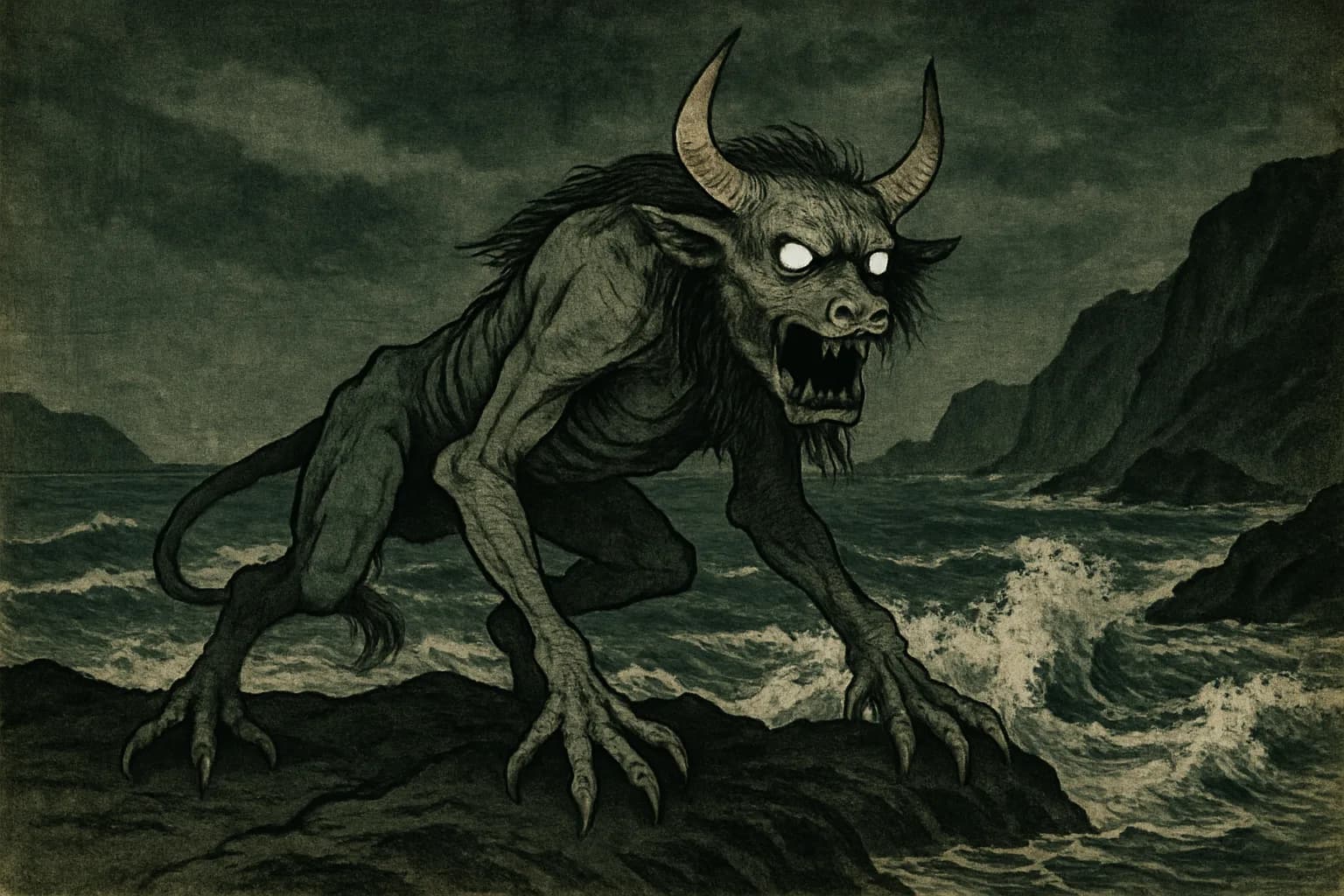
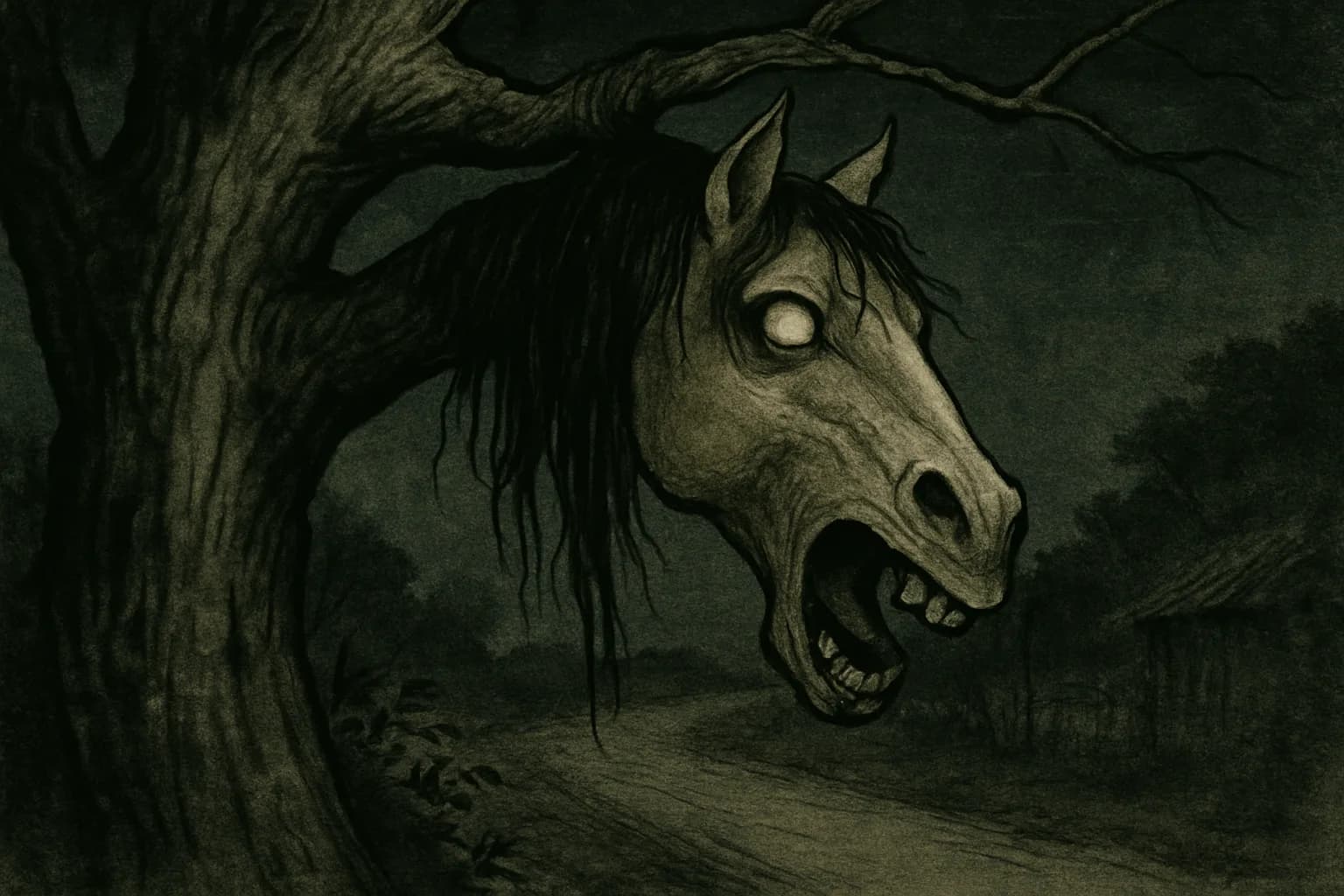
| 5 — Kokuō | Sagari, and the bake-kujira | Design resemblance. The horse's head is sagari's; the bulk is whale |
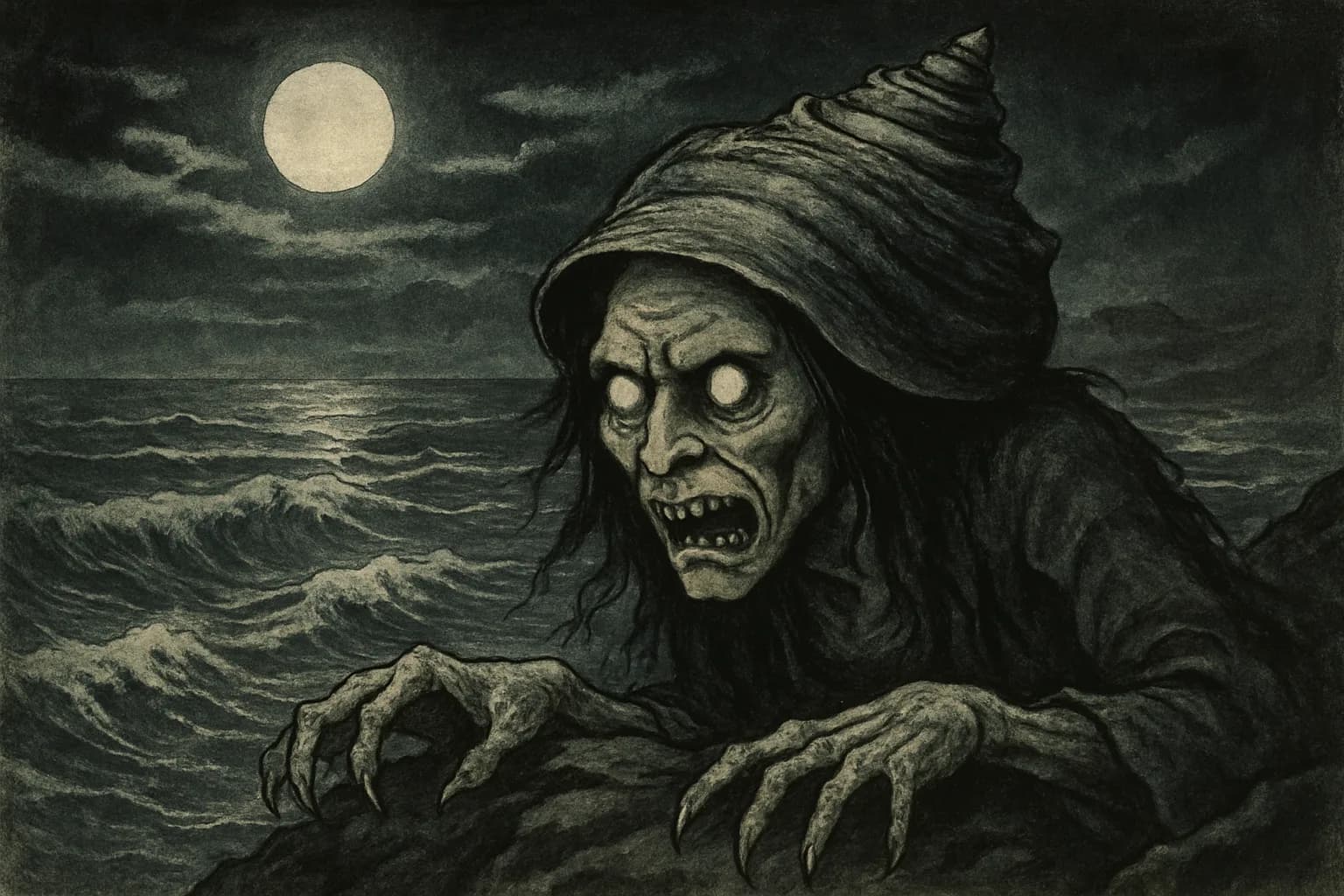
| 6 — Saiken | Sazae-oni | Design resemblance. A slug-like body to a shell demon's shape |
| 7 — Chōmei | A rhinoceros beetle, and a poet's name | Not a yokai. The name belongs to Kamo no Chōmei, who quit the world to live in a hut |
| 8 — Gyūki | Ushi-oni | The strongest link of the nine. 牛鬼 is simply the other way to read those characters |
| 9 — Kurama | Kitsune | Clear, and the one everyone already knows |
The eighth settles the argument, and it needs one piece of background first.
Japan borrowed its writing from China. So most characters ended up carrying two pronunciations: the native Japanese word, and a Japanese version of the Chinese one. Both are correct. Which one you say depends on the word — a little like English having kingly and regal for the same idea, except that in Japanese the two readings are the same written word.
牛鬼 is one of those. Read it the Japanese way and it says ushi-oni: ox demon. Read it the Chinese way and it says gyūki.
So Gyūki is not a name that resembles the ox demon's name. It is the ox demon's name. Nothing was invented there at all.
Why only the fox is famous
The fox is not the best-documented of the nine. It is the one the story happens to. Kurama is sealed in the protagonist, which means a reader spends hundreds of chapters with it and perhaps ten pages with any of the others.
That has an odd consequence for anyone coming to the folklore afterwards. The creature people arrive knowing is the one whose folklore version is most cluttered — the fox is a shrine messenger, a trickster, a wife, a court poisoner, depending on which story you pick up. Meanwhile the eighth beast, whose source is exact and undisputed, is the one nobody looks up.
The three nobody has heard of
Three creatures in that table are obscure enough that most English-language lists skip them or get them wrong. The Five-Tails alone accounts for two of the three.
Sazae-oni is a turban shell — the spiral sea snail served in Japanese restaurants — that has lived long enough to become something else. Toriyama Sekien drew it in Hyakki Tsurezure Bukuro in 1784. It is Japanese, from a dated Edo source, which is worth saying plainly because the claim that it comes from Chinese folklore circulates widely and is not true.
Sagari is a horse's head that hangs down out of an old hackberry tree at the roadside and screams at whoever is passing underneath. It comes from Kyushu, by way of the Ehon Hyaku Monogatari. There is no body. That is the entire creature, and it is a better piece of horror than most things with a body.
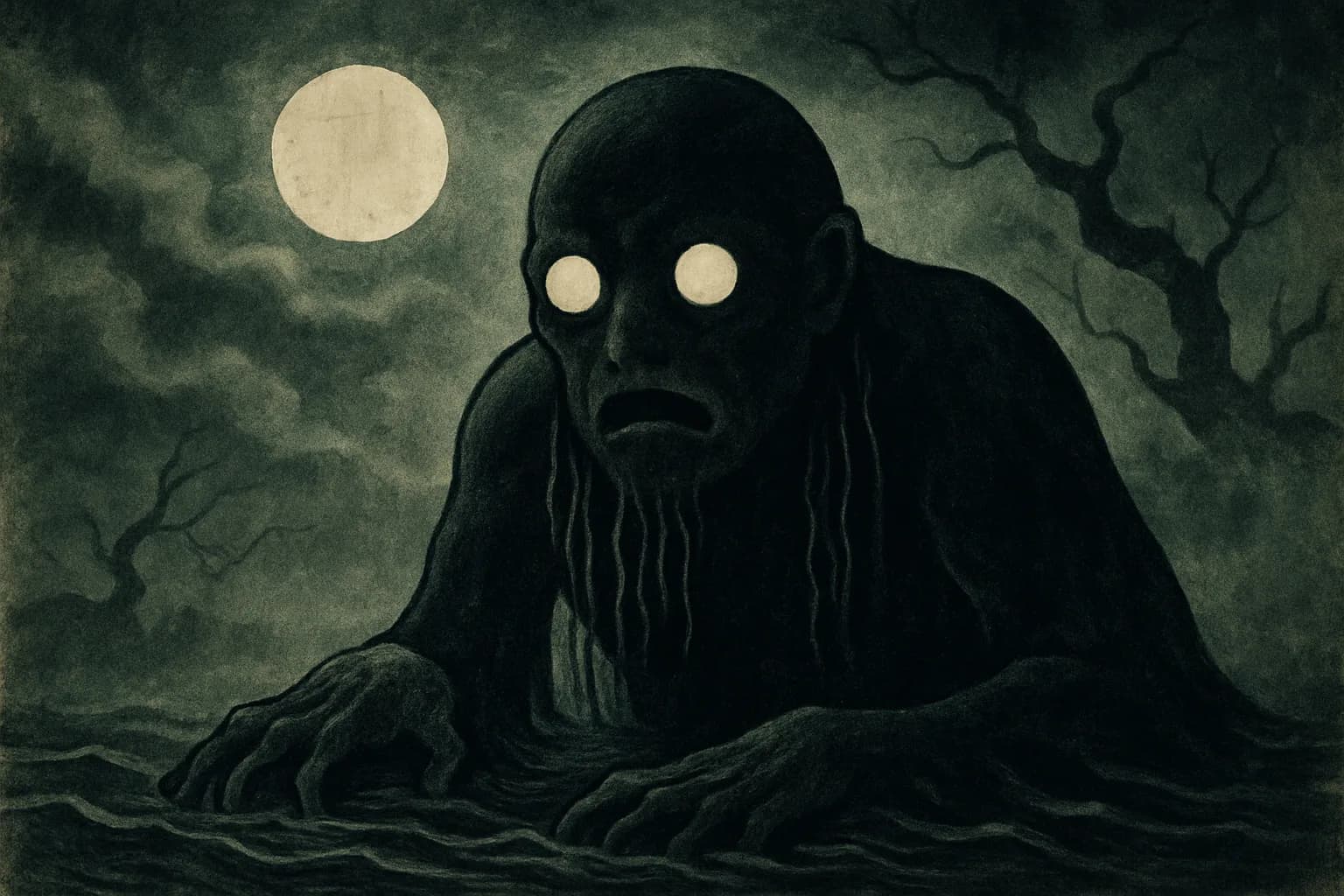
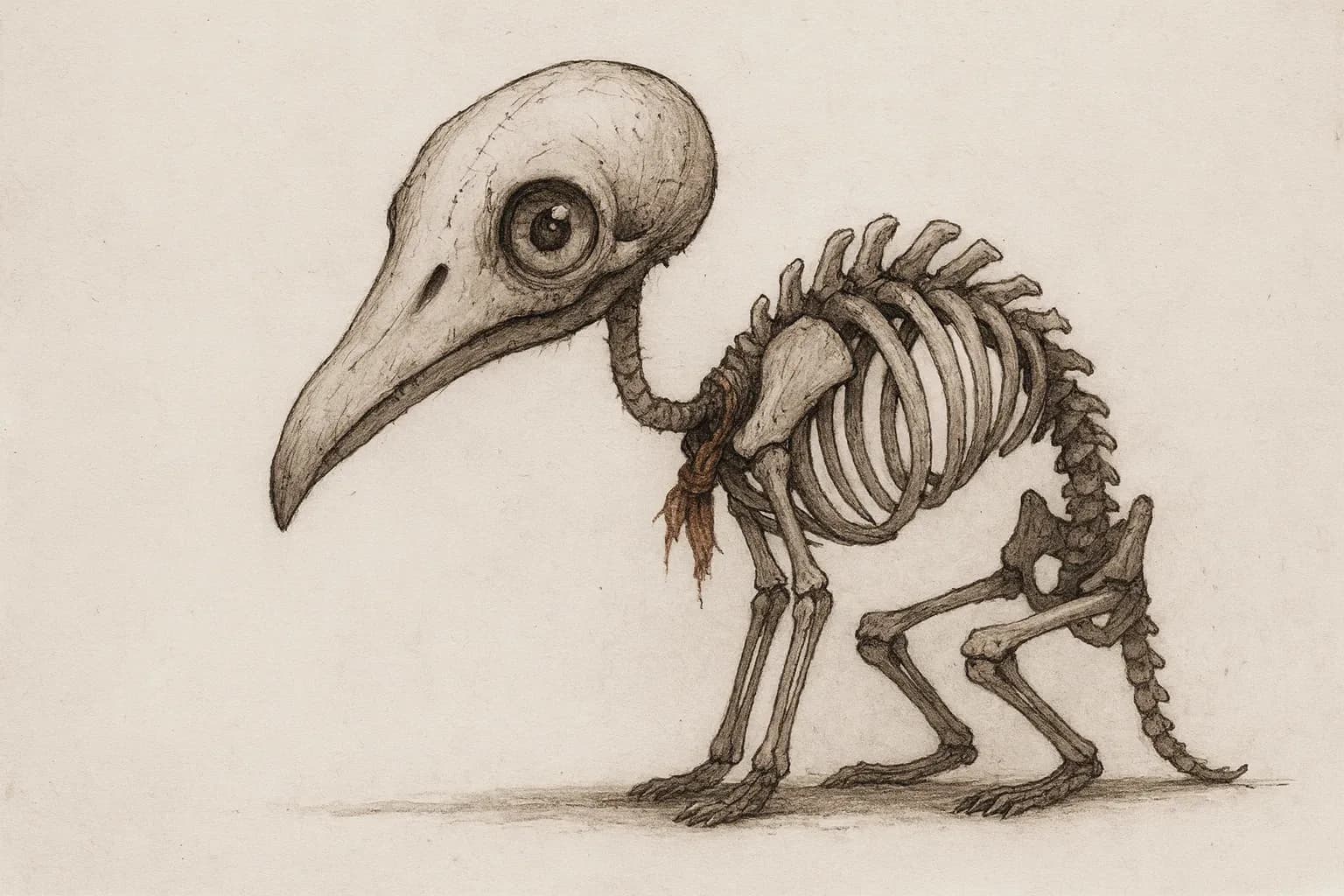
Bake-kujira is a whale of bare bones that surfaces off the Shimane coast in the rain, trailed by fish and birds that nobody can put a name to. It belongs to a specific stretch of coastline and a specific industry: whaling towns, where the animal you hunt is also the animal that could ruin you.
Two of the three already have entries here. The bake-kujira does not yet, and is next in the queue — which is the sort of hole a page like this one is good at exposing.
What the manga actually added
Strip out the sources and one thing is left over, and it is the important one: the sealing.
Japanese folklore is full of creatures that are driven off, cut down, appeased, or simply avoided. Creatures that are captured and installed inside a living person as a weapon appear to be far rarer; nothing among this almanac's entries takes that shape. The nearest the tradition gets is the fox of the Tamamo-no-Mae legend, unmasked at court, killed on the moor at Nasu, and still working centuries later as a poisonous stone that has to be held down rather than destroyed.
The vocabulary points the same way. Jinchūriki, the word for a person carrying one of these beasts, is written 人柱力 — built on hitobashira, the "human pillar," the grim old practice of burying a living person in the foundations of a bridge so that the structure would hold.
So the animals are borrowed and the arithmetic of tails is borrowed. The idea that such a thing is a resource to be contained and used is the part that is not.
Telling a source from a resemblance
A rule worth carrying into any of these lists, including this one: a stated source and a visual resemblance are different claims, and most articles present them identically.
Gyūki and ushi-oni share a name and a set of characters. Kokuō has a head shaped somewhat like sagari's. Isobu is a large thing in the sea. Those are three completely different strengths of evidence, and flattening them into one list of "the mythology behind the tailed beasts" is how a rhinoceros beetle ends up filed as ancient folklore.
Where a link here is a resemblance, it says so.