In parts of Shikoku, a family's fortune was once explained by something nobody could point to: a spirit no bigger than a rat, invisible to most eyes, that lived in the walls of certain houses and did whatever the household head asked of it. The inugami (犬神, "dog god") was said to bring its keepers wealth, and it was said to make their enemies sicken and die. Both reputations attached to the same families for generations, and both were taken seriously enough to shape who those families could marry.
What does an inugami look like?
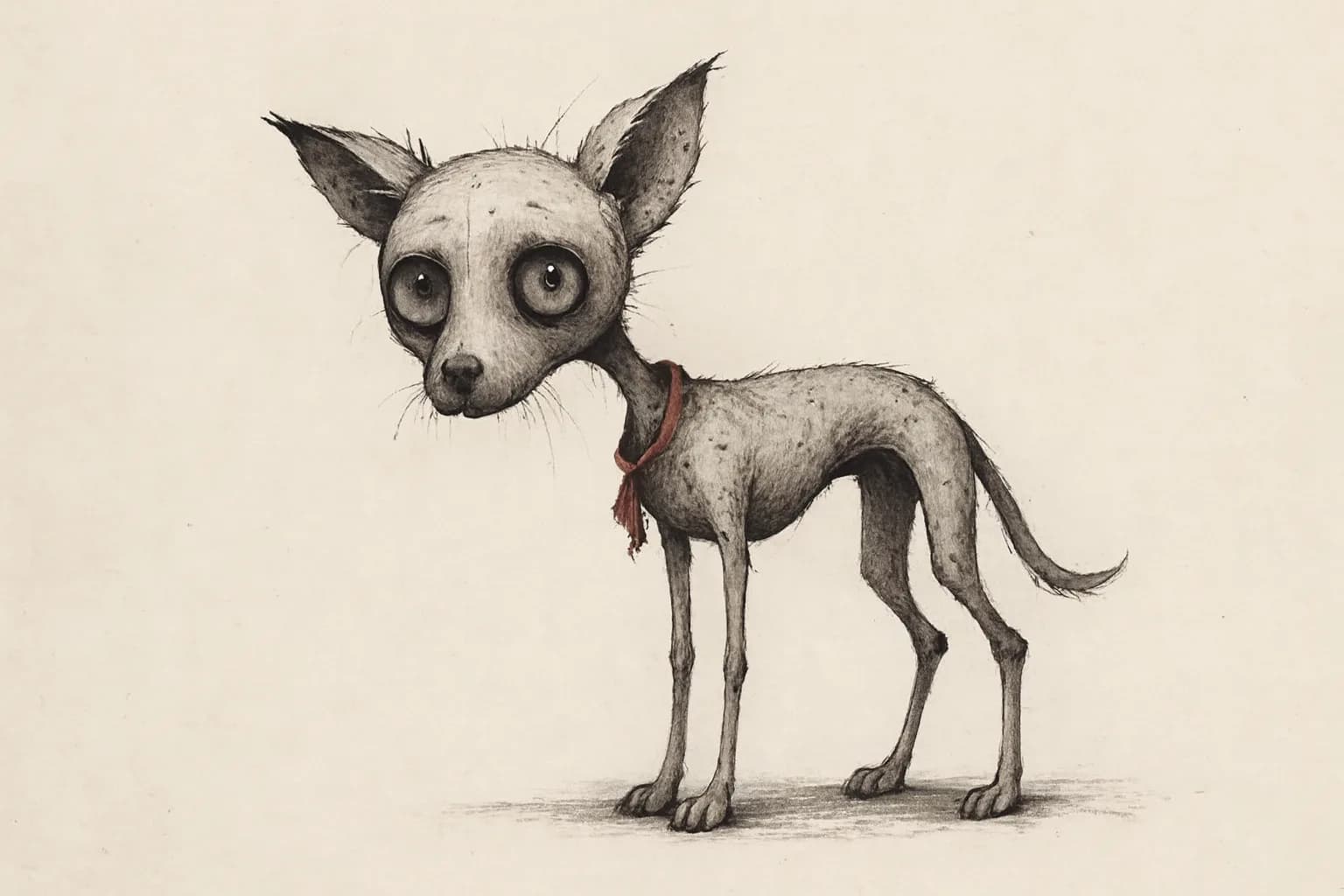
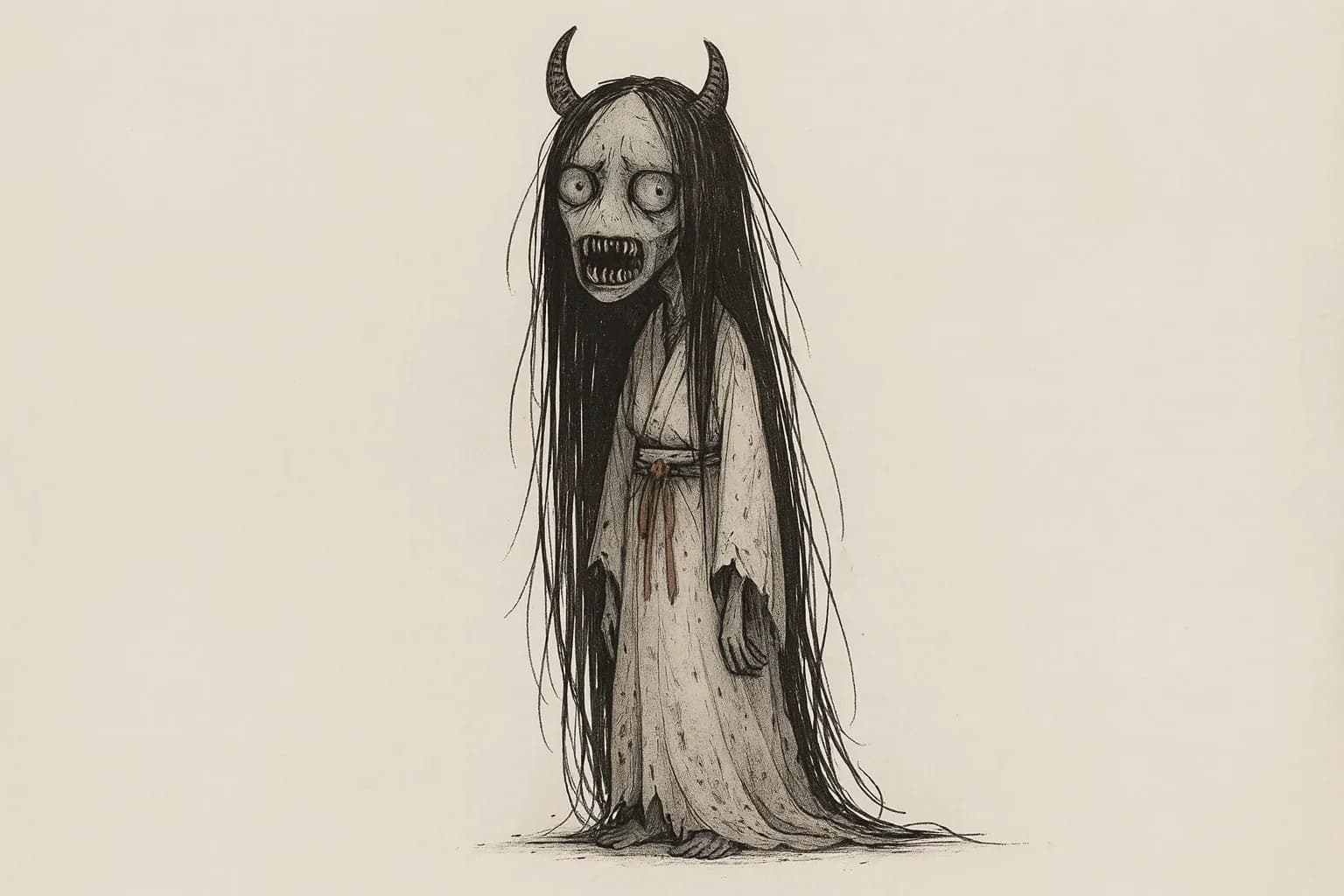
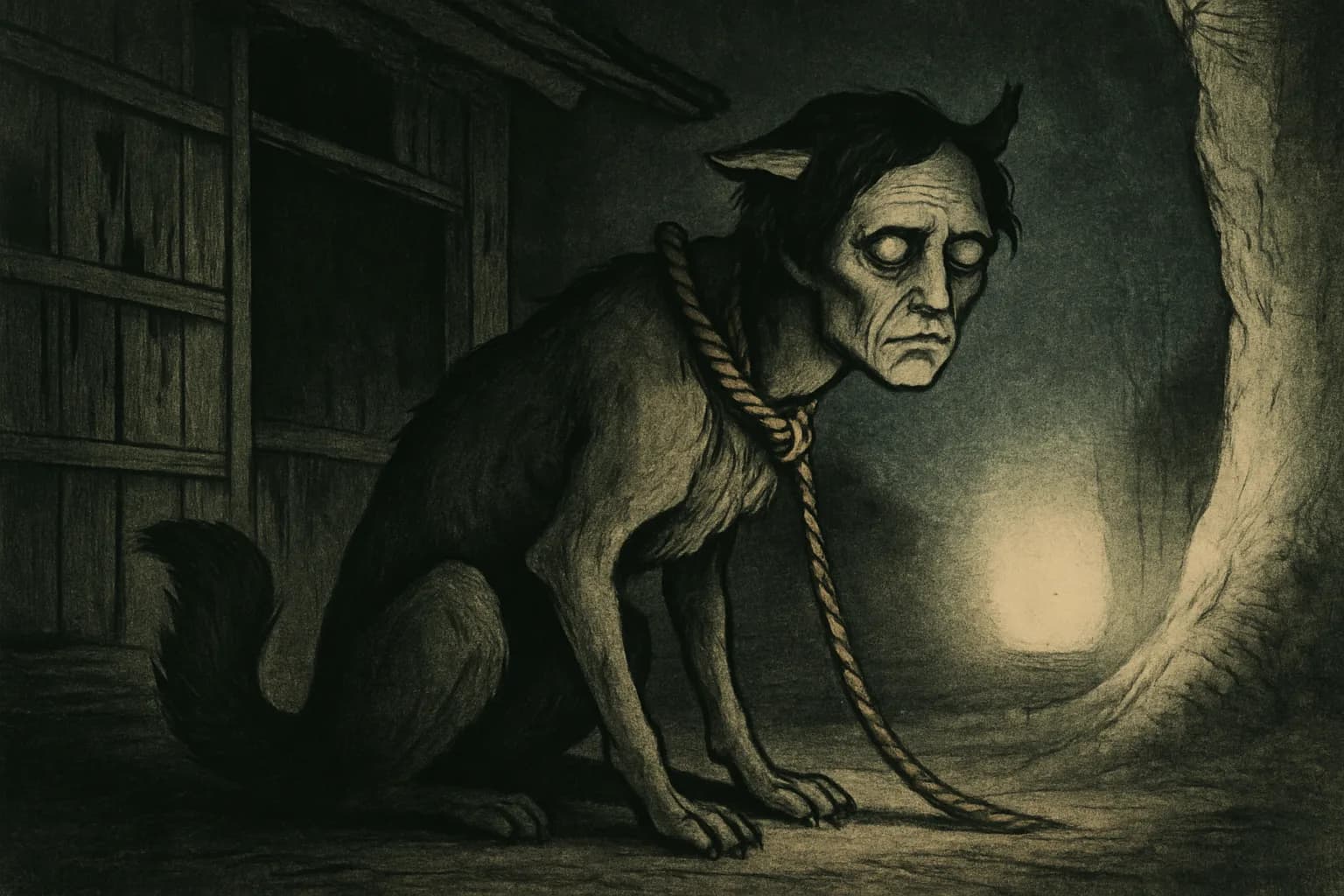
Most accounts agree it is rarely seen at all. When it does appear, it is small — weasel- or rat-sized rather than dog-sized, sometimes described as a shrunken, mummified-looking creature, sometimes as little more than a shadow or a pressure in the air. This is part of what makes it different from a fox spirit like the kitsune, which folklore usually gives a fuller, more visible presence. An inugami's whole existence was proof by effect: a household prospered too fast, or a rival wasted away too strangely, and the inugami was the explanation offered after the fact.
How an inugami was made
Folklorists recorded a grim account of how a family was believed to acquire one, passed down mostly as rumor about other households rather than as anything openly practiced. A dog was buried in the ground up to its neck, food set just out of its reach, and left to starve in that state until, at the peak of its hunger and rage, its head was struck off. The dog's vengeful spirit was said to fuse into the household as its inugami from that moment on, bound to serve the family that had wronged it — and hungry in a way that never went away.
Whether the ritual was ever actually performed is doubtful; ethnographers who collected the story mostly found it told as an accusation against unpopular neighbors, not as a confession. Its real function was social, not literal.
Inugami-mochi: the families who "kept" one
Families rumored to harbor an inugami were called inugami-mochi (犬神持ち) or inugami-suji (犬神筋, "inugami lineage"). The belief held that the spirit was inherited, passed down chiefly through the women of the family, and that it grew stronger and hungrier with each generation unless it was kept fed and useful. An inugami-mochi household was thought to gain sudden, disproportionate prosperity — and to be capable of sending its spirit against a rival to inflict inugami-tsuki, dog-spirit possession: wasting illness, mental derangement, fits that resembled a dog's barking and biting.
This belief did real social damage. Villages kept informal, closely guarded knowledge of which families were "inugami lineages," and marriage into one was avoided for fear the spirit would pass to the new household along with the bride. The stigma persisted in parts of Shikoku and neighboring regions well into the twentieth century, documented by folklorists studying what are called tsukimono-suji — "possessing-thing lineages," a category that also includes fox-owning (kitsune-mochi) families elsewhere in Japan.
Curing a possession
When illness was blamed on inugami-tsuki, the remedy was rarely medicine. Families called in a shugenja (mountain ascetic) or exorcist to perform prayers and rites meant to drive the spirit back out of the afflicted person and, ideally, back to the household it belonged to. Confession played its own role: a suspected inugami-mochi family publicly renouncing or "returning" the spirit was sometimes enough, in local belief, to end a run of bad luck for everyone involved.
Where the inugami comes from
Scholars of Japanese shamanism, notably Carmen Blacker in her study of spirit-possession practices, place inugami belief within a wider pattern found across rural Japan: certain animals — foxes, dogs, weasels — were thought capable of being bound to a human household as an inherited spiritual asset, one that explained inequality between neighboring families without anyone having to admit to plain jealousy or fraud. An inugami-mochi family's sudden wealth needed an explanation that didn't accuse them outright of cheating; a spirit inherited through no fault of their own did the job. The belief thrived especially in the relatively isolated valleys of Shikoku, where a handful of families could be watched, gossiped about, and quietly excluded across many generations.
The inugami today
The old social stigma around inugami-mochi families has faded, and folklorists now study it mainly as a case study in how superstition once enforced village hierarchy. The dog-spirit itself has had a second life as a monster rather than a social accusation: role-playing game series like Shin Megami Tensei include an Inugami among their rosters of folklore-derived demons, drawn straight from the small, fierce dog-spirit of the old accounts rather than any single artist's invention. In Shikoku itself, older residents in some villages can still name which houses were once said to keep one — a memory of the belief long after anyone still fears it.