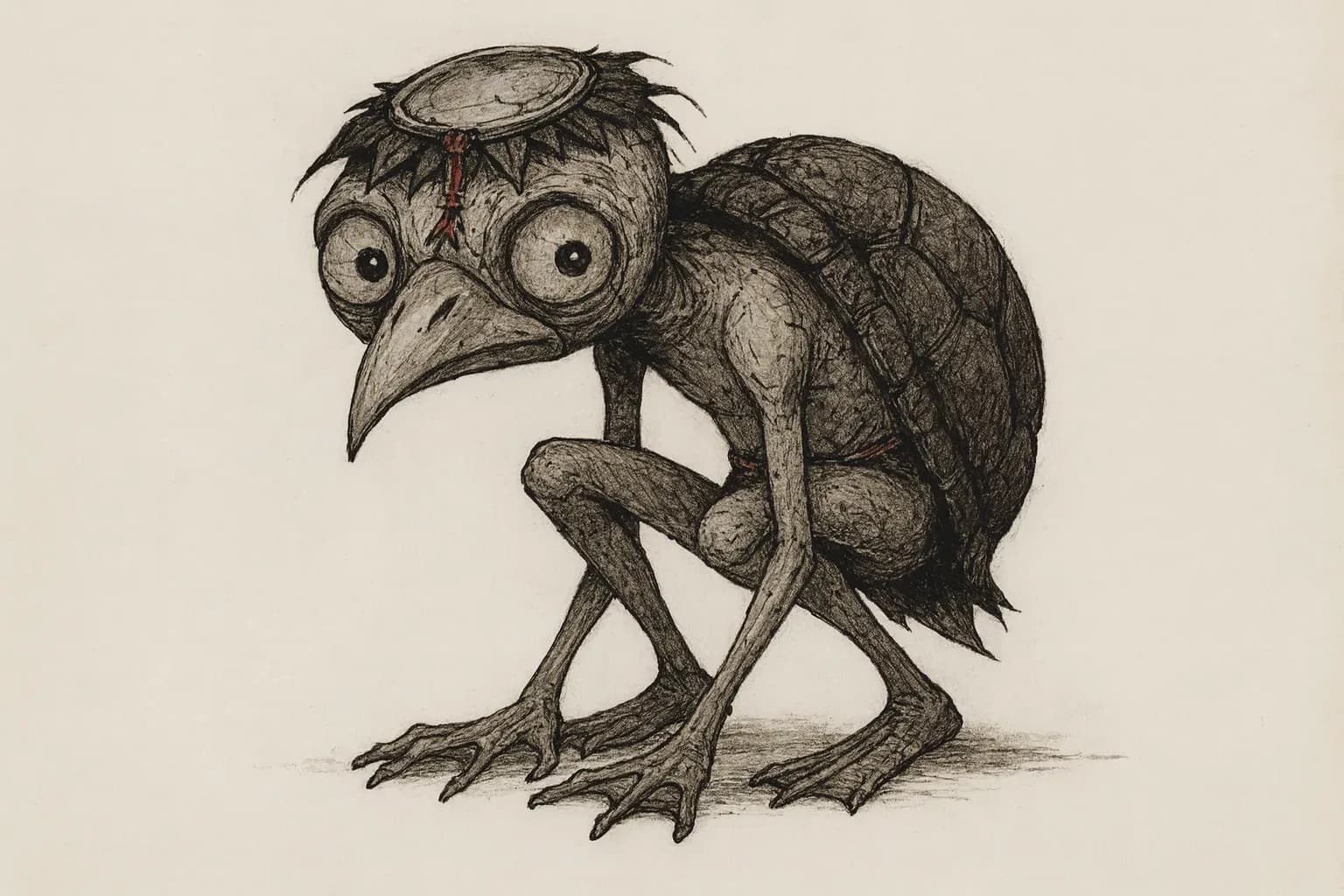
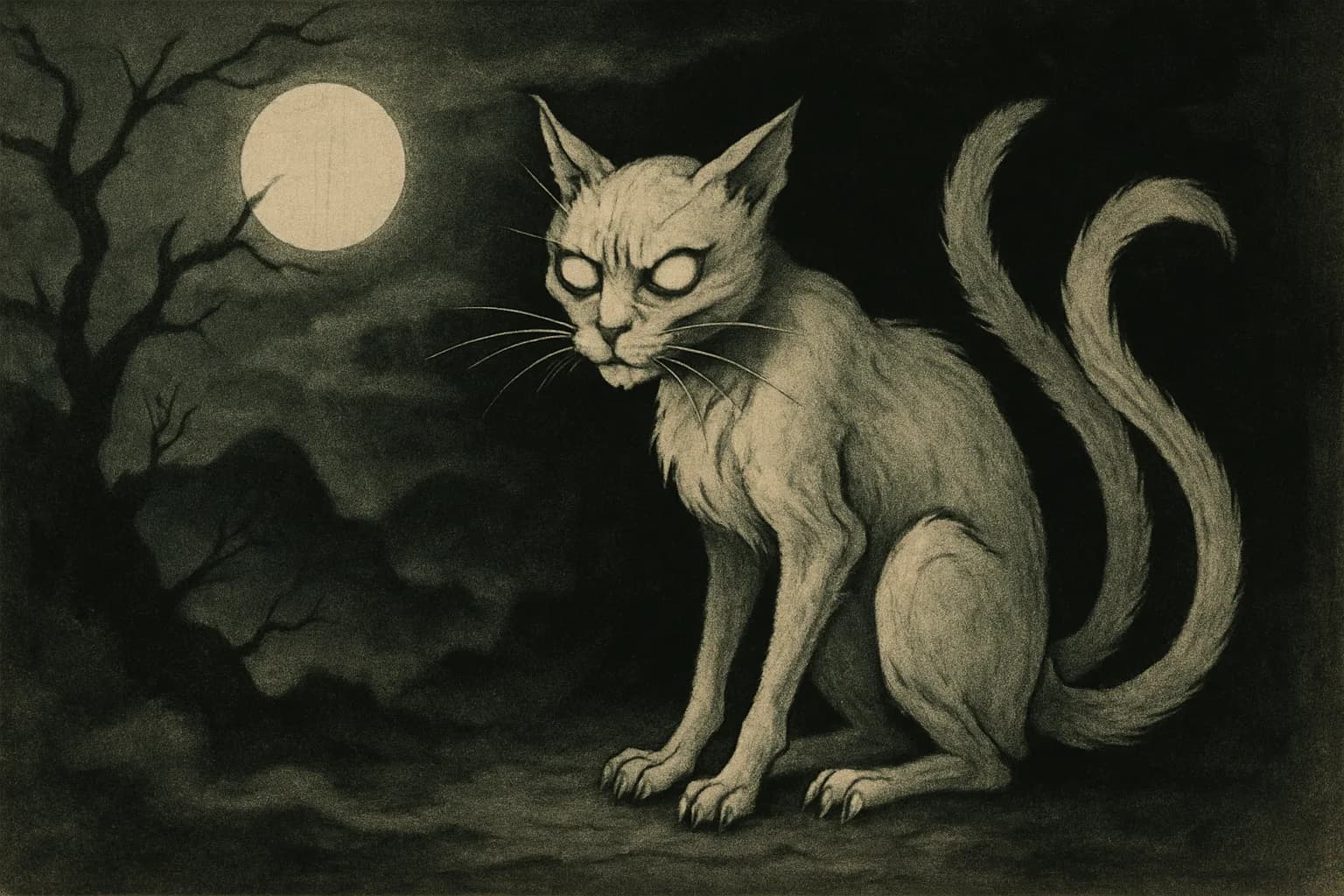
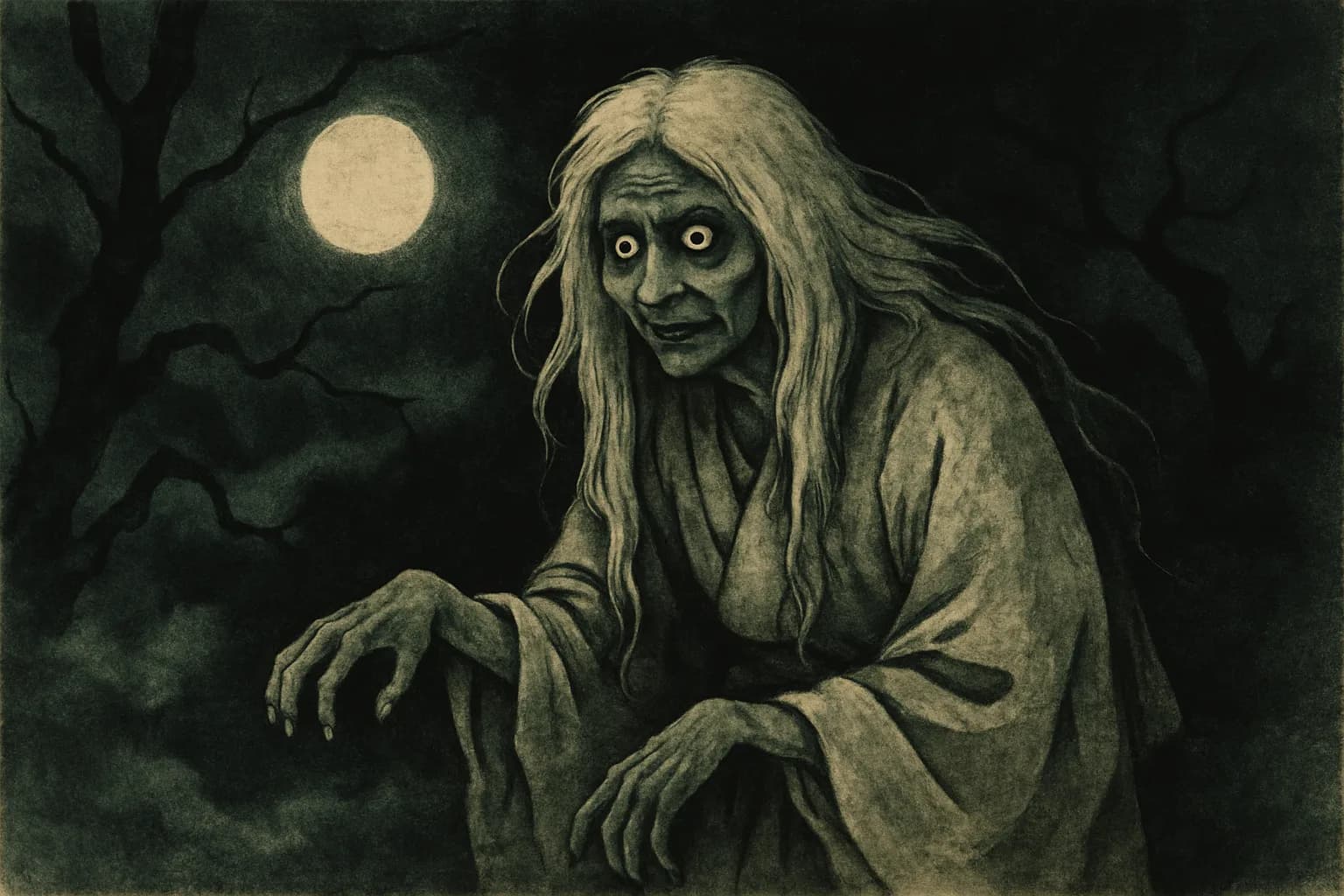
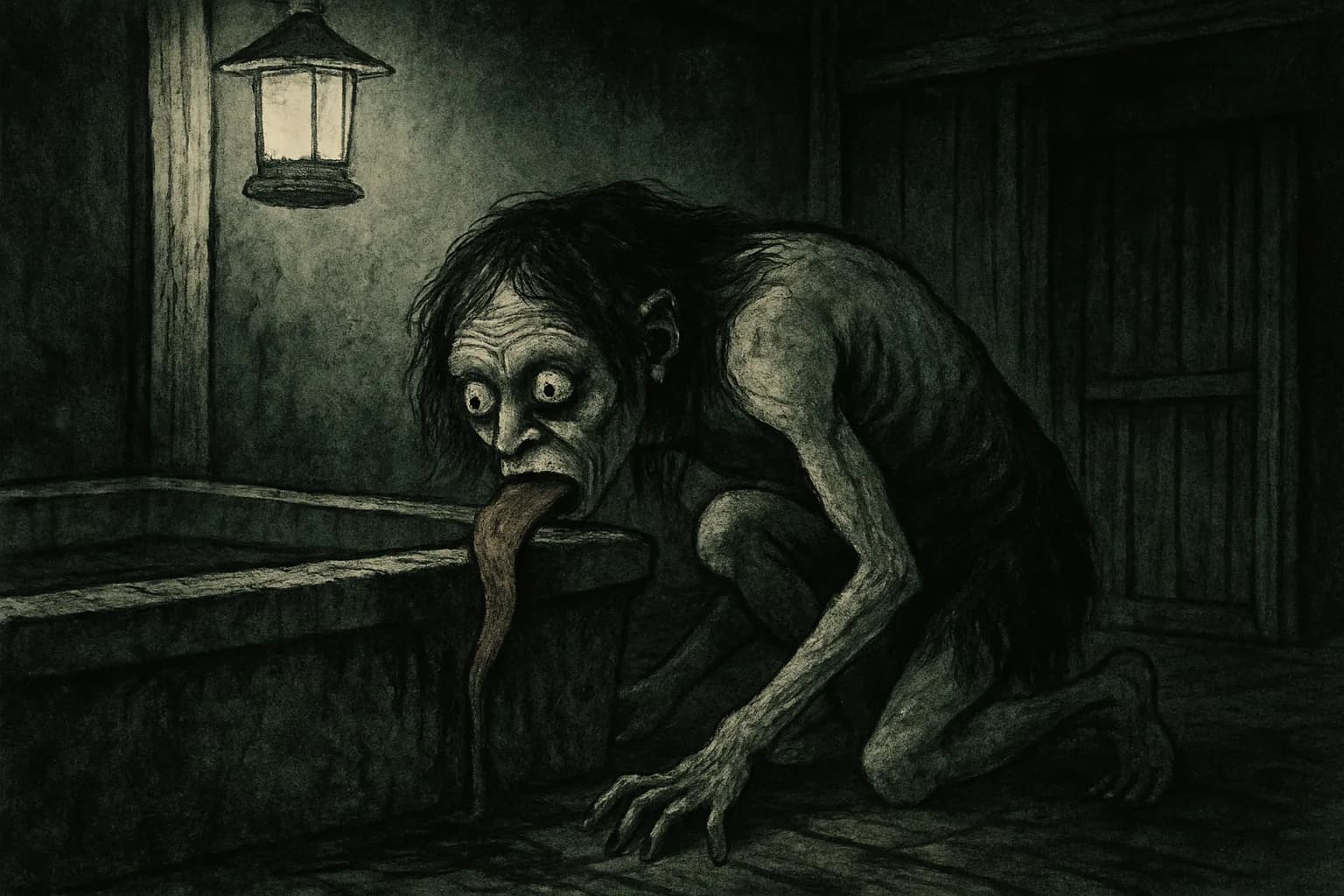
Read almost any entry on this site and a name turns up. Toriyama Sekien, usually with a book title and a year in the 1770s or 1780s.
He is cited here more than anyone else, by a long way. Eighty-one of the 116 creatures published so far name him among their earliest sources. That is seventy per cent of the catalogue, resting on one man and eight years of his working life.
So it is worth knowing who he was.
The man
Sekien was a pen name. He was born Sano Toyofusa in 1712 and died in 1788, which puts his whole life inside the middle Edo period.
He was a woodblock print artist, and by trade a teacher. That part matters more than it sounds. Two of his students are far more famous than he is: Kitagawa Utamaro, whose portraits of women are probably the best-known Japanese prints in the world, and Toyoharu, who founded the Utagawa school that dominated ukiyo-e for the next century.
He taught the people who made the art you have already seen. Then, in his sixties, he spent eight years drawing monsters.
Four books in eight years
| Volume | Year | Creatures here that name it |
|---|---|---|
| Gazu Hyakki Yagyō — The Illustrated Night Parade of a Hundred Demons | 1776 | 21 |
| Konjaku Gazu Zoku Hyakki | 1779 | 15 |
| Konjaku Hyakki Shūi | 1781 | 14 |
| Hyakki Tsurezure Bukuro | 1784 | 15 |
The spread is worth a second look. It is almost flat — around fifteen to twenty entries from each volume, four times over. This was not one inspired book followed by three cash-ins. It was a working rate, held for eight years.
Each volume is a bestiary. A creature to a page, a picture, and a caption that is often only a line or two long. Some captions explain nothing at all. That dryness is part of why the books travelled: a picture with almost no story attached is an invitation to supply one, and people have been supplying them ever since.
The last volume is a different book
Hyakki Tsurezure Bukuro, from 1784, is not a general bestiary. The 器 in its title means vessel or implement, and the volume is given over almost entirely to tsukumogami — tools that have been used for a hundred years and woken up.
The effect on the record is easy to measure. This site has 16 creatures filed as tsukumogami. Twelve of them come from that one volume. A whole class of Japanese monster — the possessed umbrella, the animate tea kettle, the futon with a grudge — is, as far as the written evidence goes, largely one book from 1784.
What he actually did, and what nobody can tell you
Sekien did two different things in the same books, with the same layout, in the same dry voice.
He compiled — gathering oral belief, regional names, older paintings and classical literature into a single indexed format. And he invented, filling out his volumes with creatures that have no known source earlier than his own brush.
The books do not tell you which is which. Our records can, sometimes.
Of the 81 creatures here that name him, 18 also name something older: the ninth-century Nihon Ryōiki, the fourteenth-century Tsurezuregusa, the Heike Monogatari, a 1712 encyclopedia, folk belief recorded in Kyushu or the Kantō. For those, the picture is clearly the later layer on something already there.
The other 63 name no earlier source. That is not the same as saying Sekien made them up. It means our record does not know of anything before him. Oral belief that nobody wrote down leaves no trace, and plenty of his creatures probably came from exactly that. The honest position is that for most of this catalogue, the first evidence we have is a picture he drew.
Why this should change how you read the word "ancient"
English writing about yokai leans hard on the word. Ancient spirits, ancient warnings, ancient traditions.
For a creature in an eighth-century gazetteer, that word is doing real work. For one that first appears in the third of four volumes published in 1781, it is doing something else.
Akaname, the creature that licks the scum in a dirty bathhouse, is usually introduced as an ancient warning about cleanliness. It appears in the 1776 volume, and nowhere the record can find before that. That does not make it worthless. It makes it a joke from 1776 that has been running for two hundred and fifty years, which is a better fact than the one it usually gets.
You can go and look
All four volumes are long out of copyright and have been digitised. The National Diet Library, the Internet Archive and the Smithsonian Libraries all hold scans, and Google Arts & Culture carries plates from the 1776 volume.
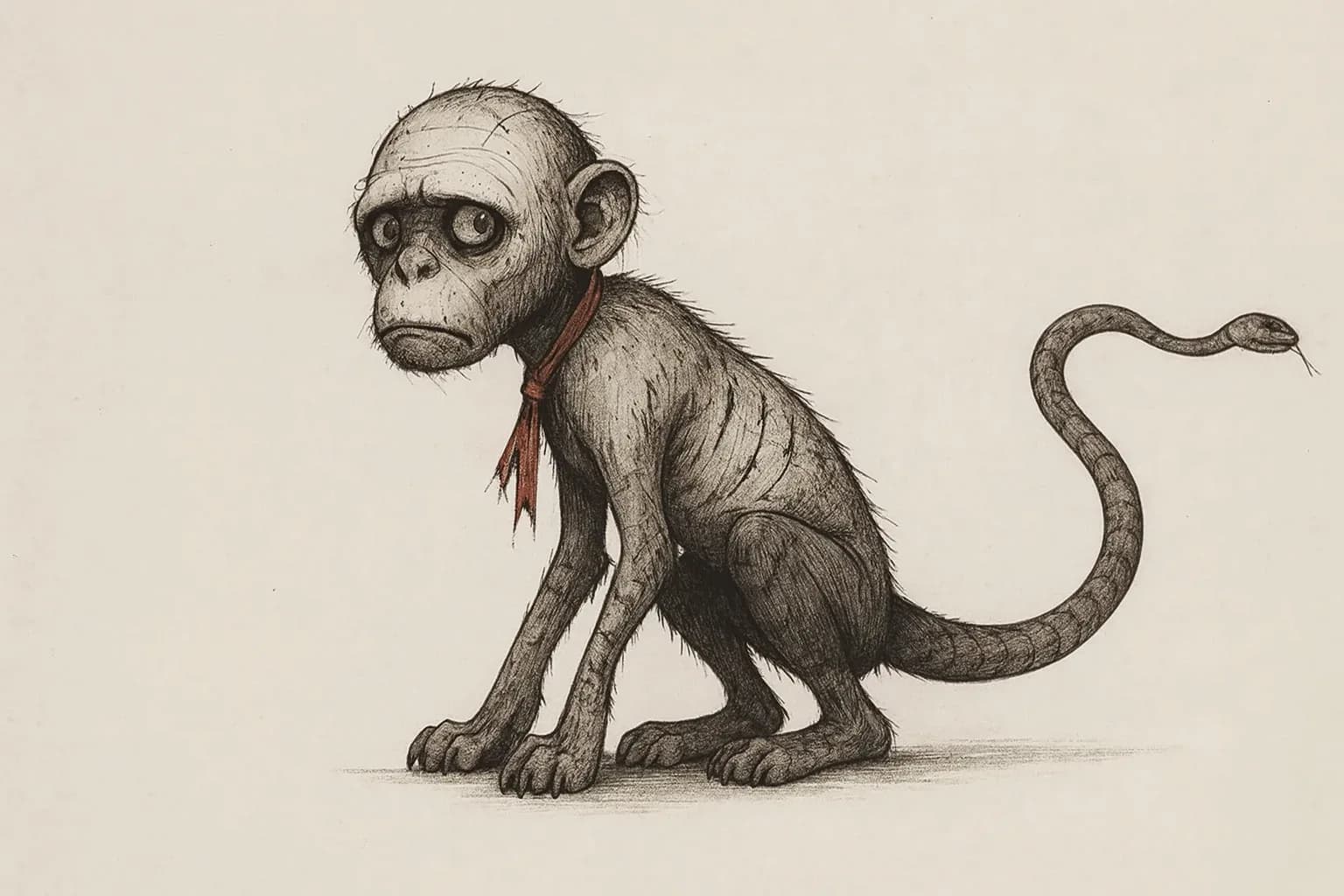
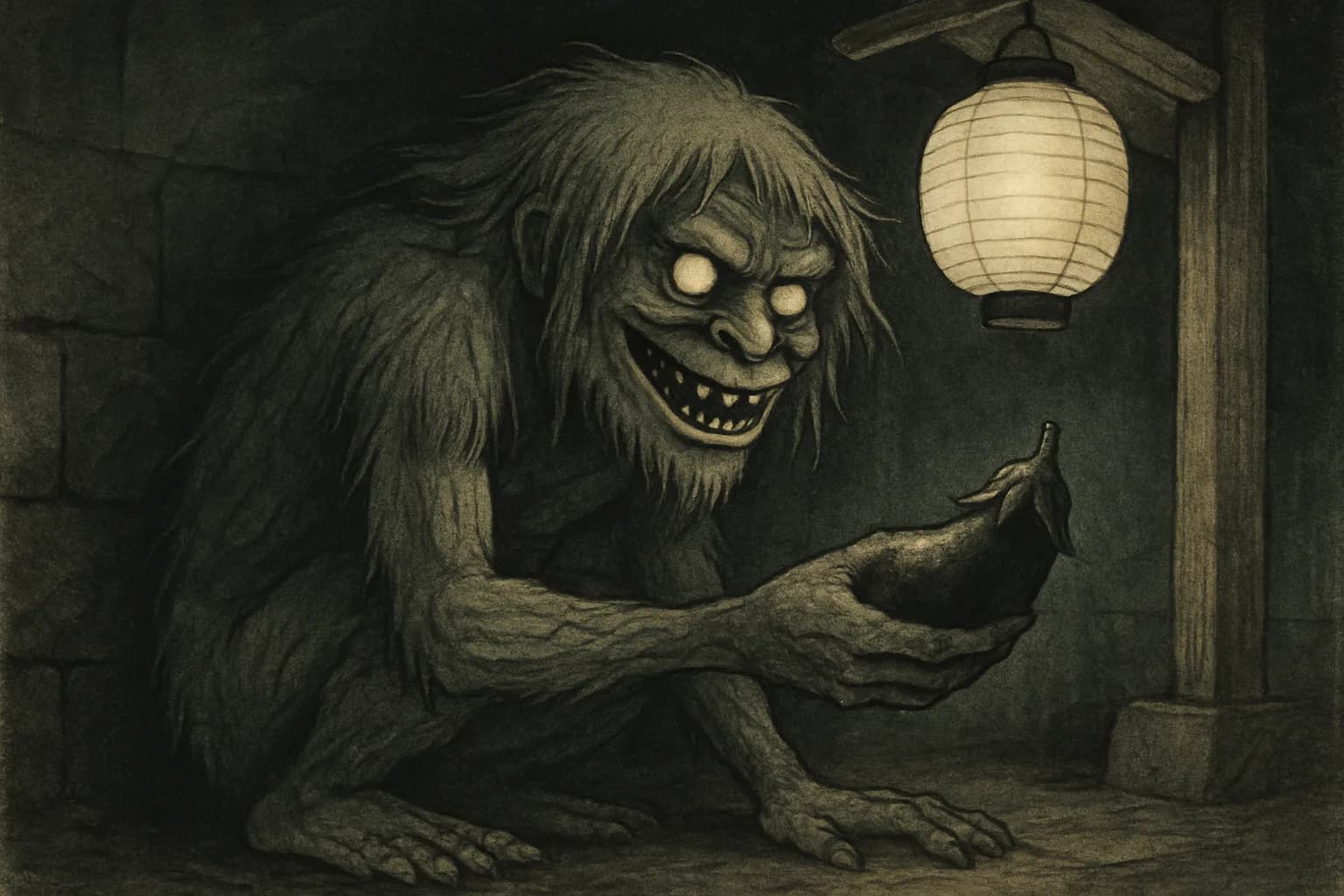
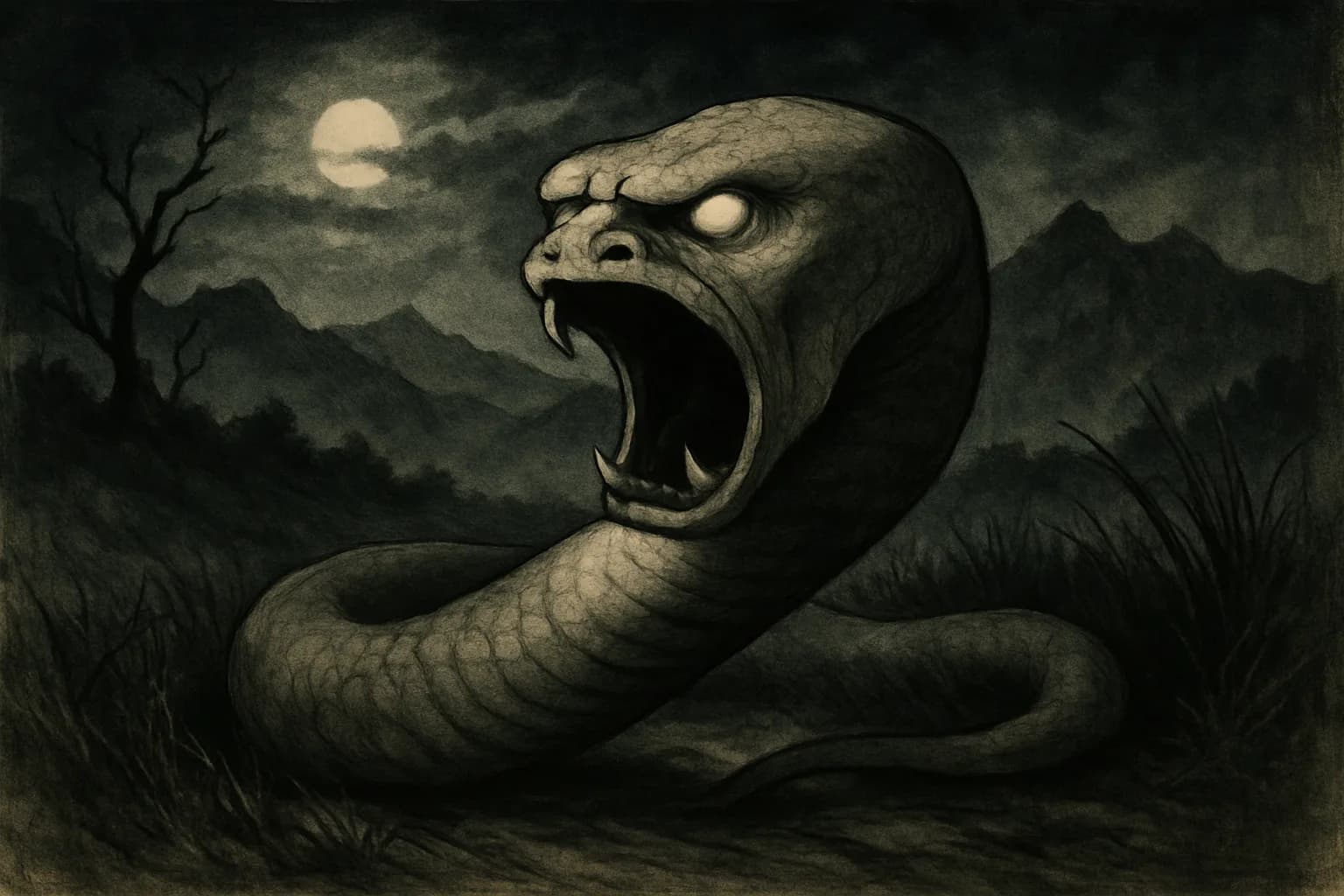
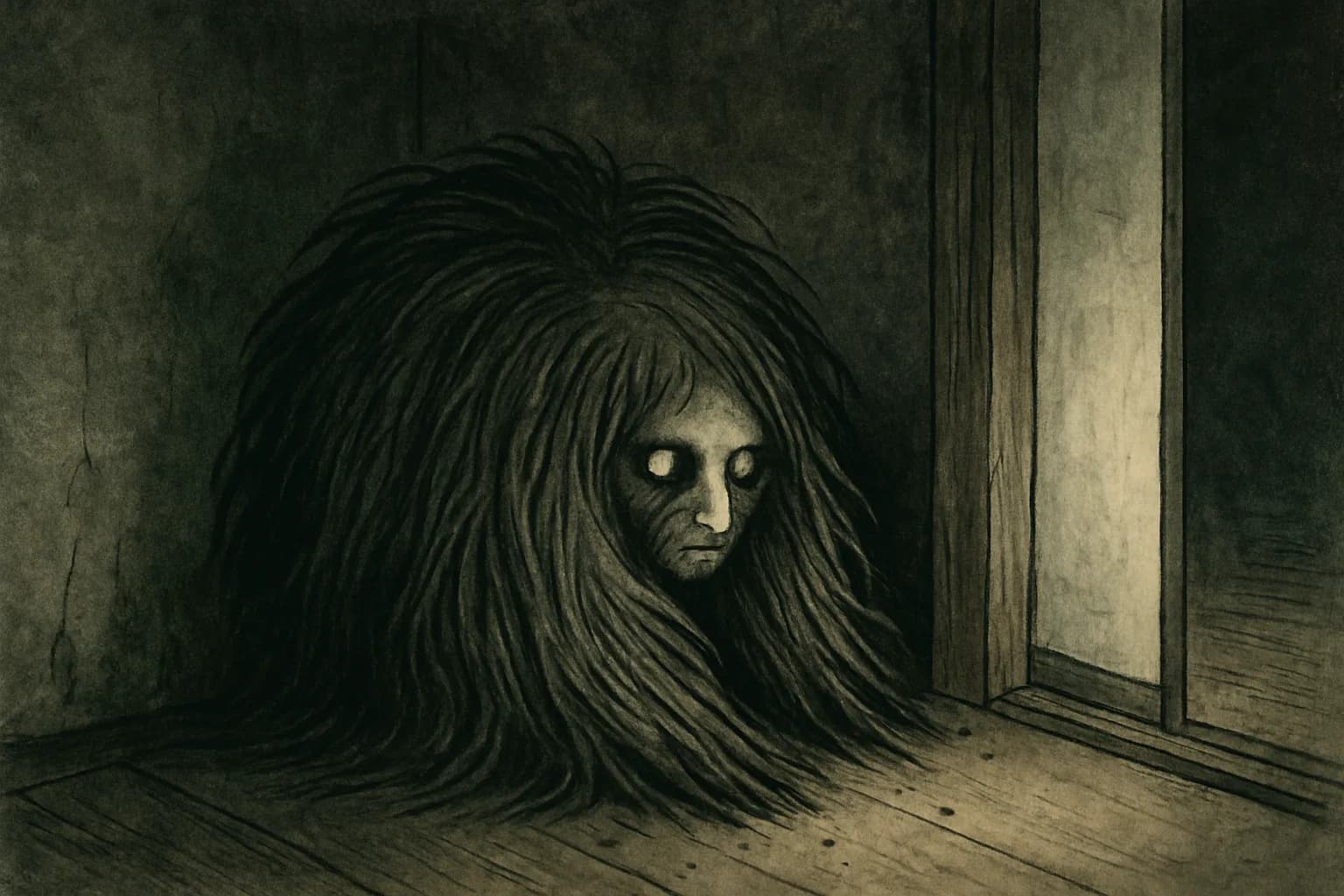
This is worth saying plainly, because it is the difference between a folklore site and a folklore rumour. The illustrations on this site are original work, made in a woodblock style rather than copied. The sources behind the text are not ours, are not hidden, and are a search away. If an entry here says a creature first appears on a page Sekien drew in 1781, you can go and find that page.
So the question to carry into any entry — here or anywhere else — is not how old is this. It is where is it first written down, and what else does that source contain?
Every entry on this site answers that in its own copyright block, with a work and a year where one exists. That is the most useful thing we can hand you, and it is there because of a man who drew a hundred monsters four times over and dated every volume.