Every English page about tsukumogami says the same thing. A tool serves for a hundred years. Then it wakes up. It grows a face and starts to move.
Almost none of them say where that number came from.
We went looking. The trail is short. It ends somewhere strange.
The oldest source is a picture scroll
The rule appears in a work called Tsukumogami-ki, the Record of Tool Spirits. It is an illustrated scroll from the Muromachi period.
The oldest copy that survives is from the 16th century. It is held at Sōfuku-ji, a temple in Gifu. A diary from 1485 already mentions the work, so the text is older than that copy.
Its opening line is the whole rule. In translation:
The Onmyō Zakki says: after a hundred years a utensil transforms, receives a spirit, and deceives the hearts of people. This is called a tsukumogami.
One sentence. And it is a quotation.
The book it quotes cannot be found
The Onmyō Zakki is not a text anyone has. Its existence has never been confirmed. The same is true of the Onmyō-ki quoted in a related commentary on the Ise Monogatari.
So the oldest statement of the hundred-year rule is quoting something. And the something is missing.
This does not mean anyone lied. Medieval writers cited lost works often, and books really do get lost. But it does mean one plain thing. There is no readable source behind the rule. The trail starts at the scroll and stops there.
The name says ninety-nine
Here is the second oddity. Tsukumo does not mean a hundred.
Written 九十九, it means ninety-nine. The word comes from a poem in the Ise Monogatari, a collection from the 10th century. In episode 63 an old woman is described with the phrase momotose ni hitotose taranu tsukumogami — hair one year short of a hundred years.
That poem is about white hair. It is not about objects at all.
The scroll borrowed the sound and wrote it with new characters: 付喪神. The sound stayed. The meaning was swapped underneath it.
So the category is named ninety-nine. The rule inside it says a hundred. The scroll's own wording is "one year short of a hundred."
The story is a sermon
Read the scroll and its purpose is not hard to see.
It opens in the Kōhō era, in the 960s. Households sweep out their old tools for the new year. The custom is called susuharai, sweeping the soot.
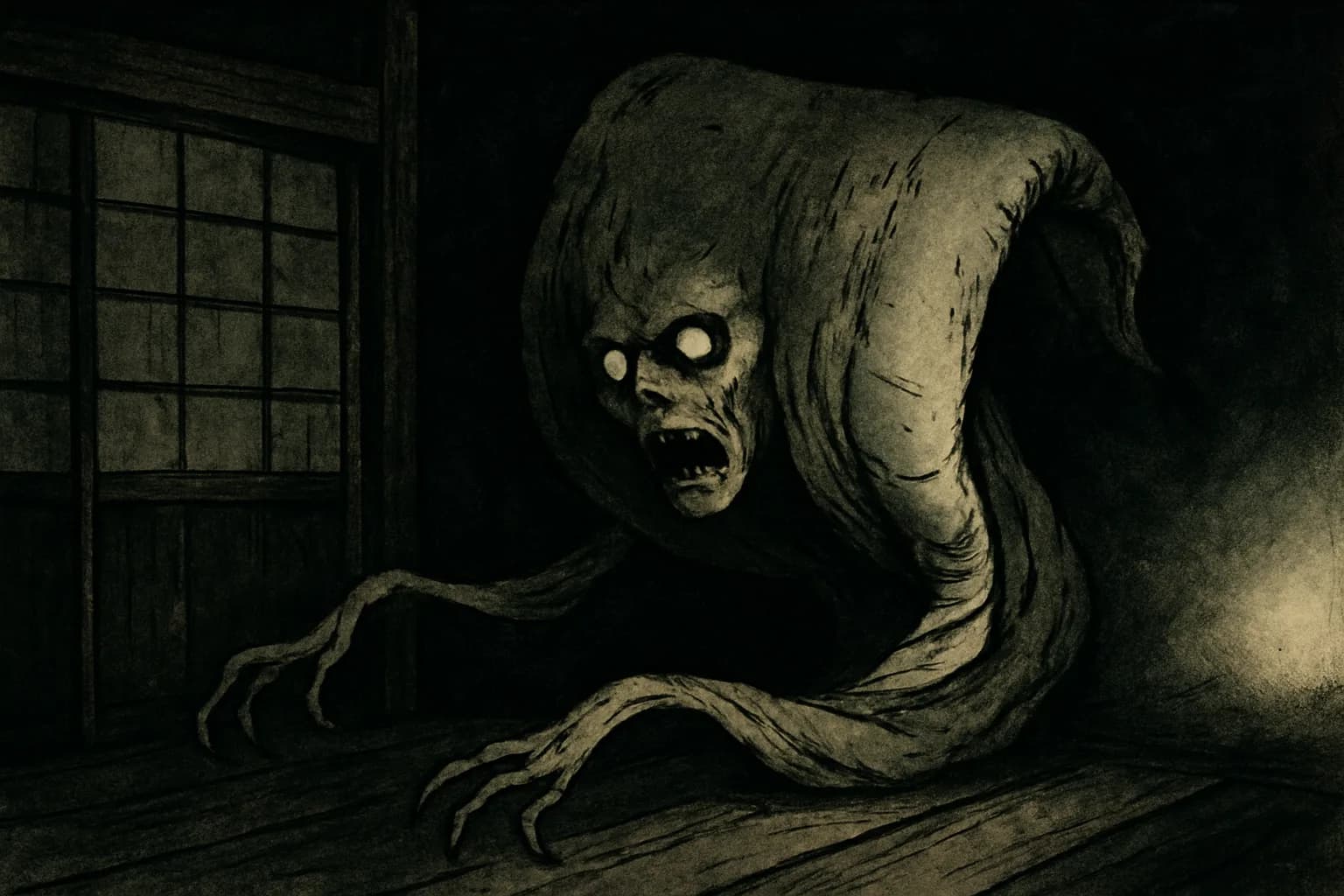
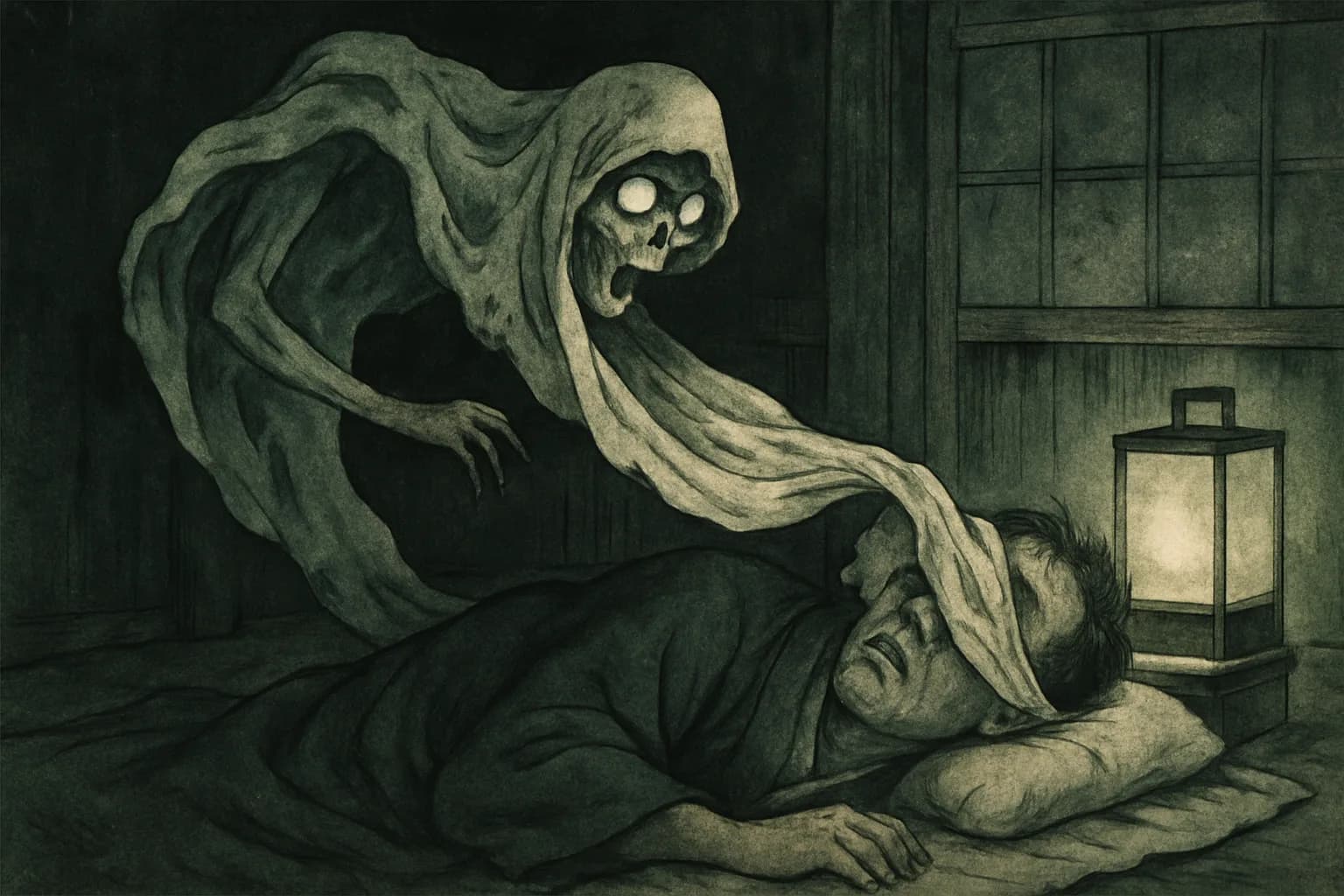
The discarded tools are furious. They take form. They take revenge on people.
Then esoteric Buddhist ritual subdues them. The tools take vows, they practise, and at the end they attain Buddhahood.
That is not a record of what villagers believed. It reads as a teaching story, and scholars have long suspected a Shingon monk wrote it. The tool spirits exist in order to be converted.
Now count the creatures
This is where our own shelf says something the rule does not predict.
This site files sixteen creatures as tsukumogami. Sorted by where each one first appears in writing:
| First appears in | How many |
|---|---|
| Toriyama Sekien, Hyakki Tsurezure Bukuro (1784) | 12 |
| Sekien's three earlier volumes (1776, 1781) | 2 |
| Picture scrolls, kabuki, Edo card games | 2 |
Fourteen of sixteen come from Sekien. Twelve come from a single book.
That book is from 1784. The scroll is from the 1400s or 1500s. The rule and the creatures sit about three hundred years apart.
And the 1784 book was not collecting village belief. Its title is a pun on Tsurezuregusa, a courtly essay collection from around 1330. Most of its creatures appear to be Sekien's own inventions, built out of phrases and anecdotes in that older book.
The objects do not fit the story
The scroll's plot needs ordinary household tools. Things swept out at new year. Things that served a family and got thrown away.
Sort the same sixteen by what the object actually is:
| Kind of object | How many |
|---|---|
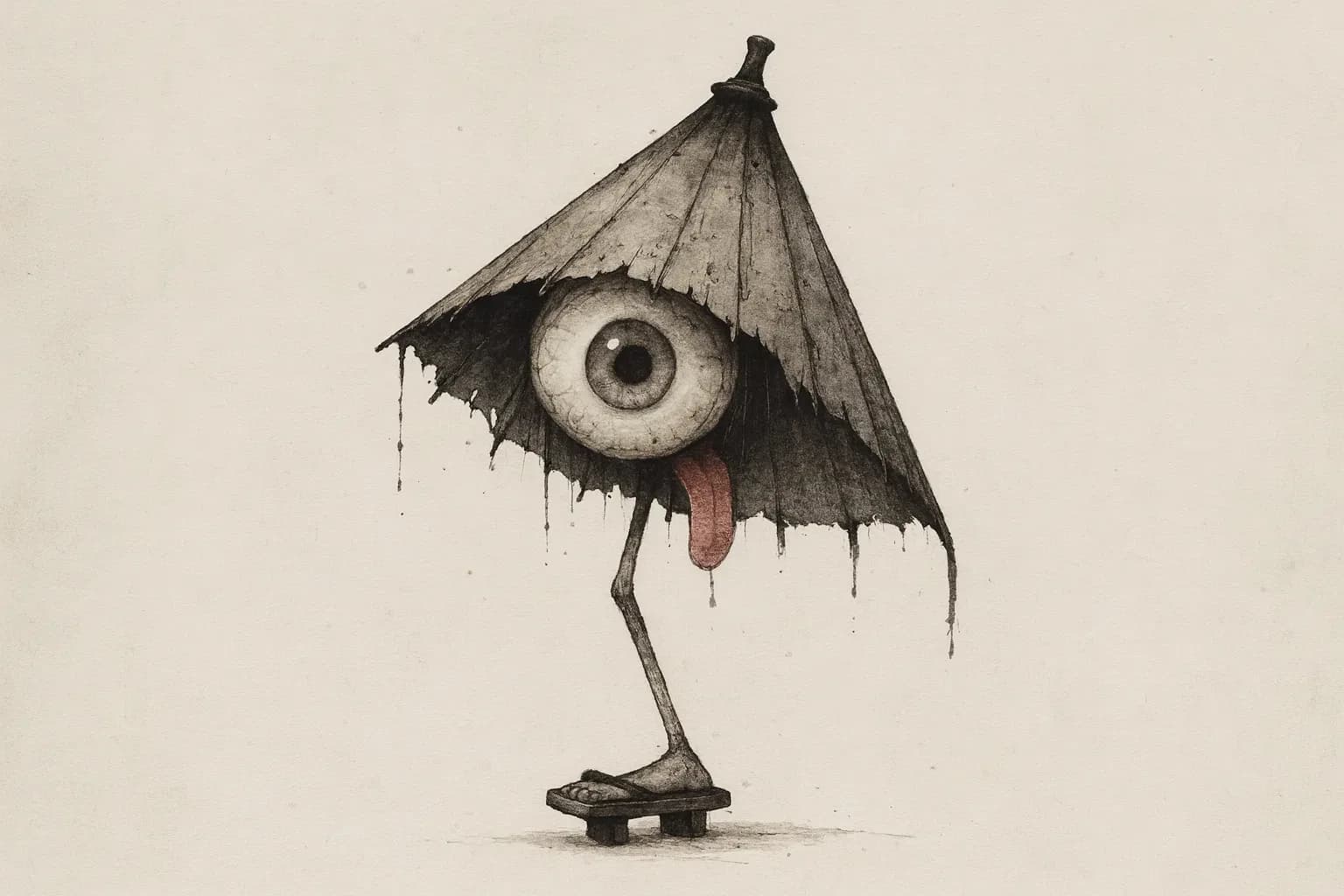
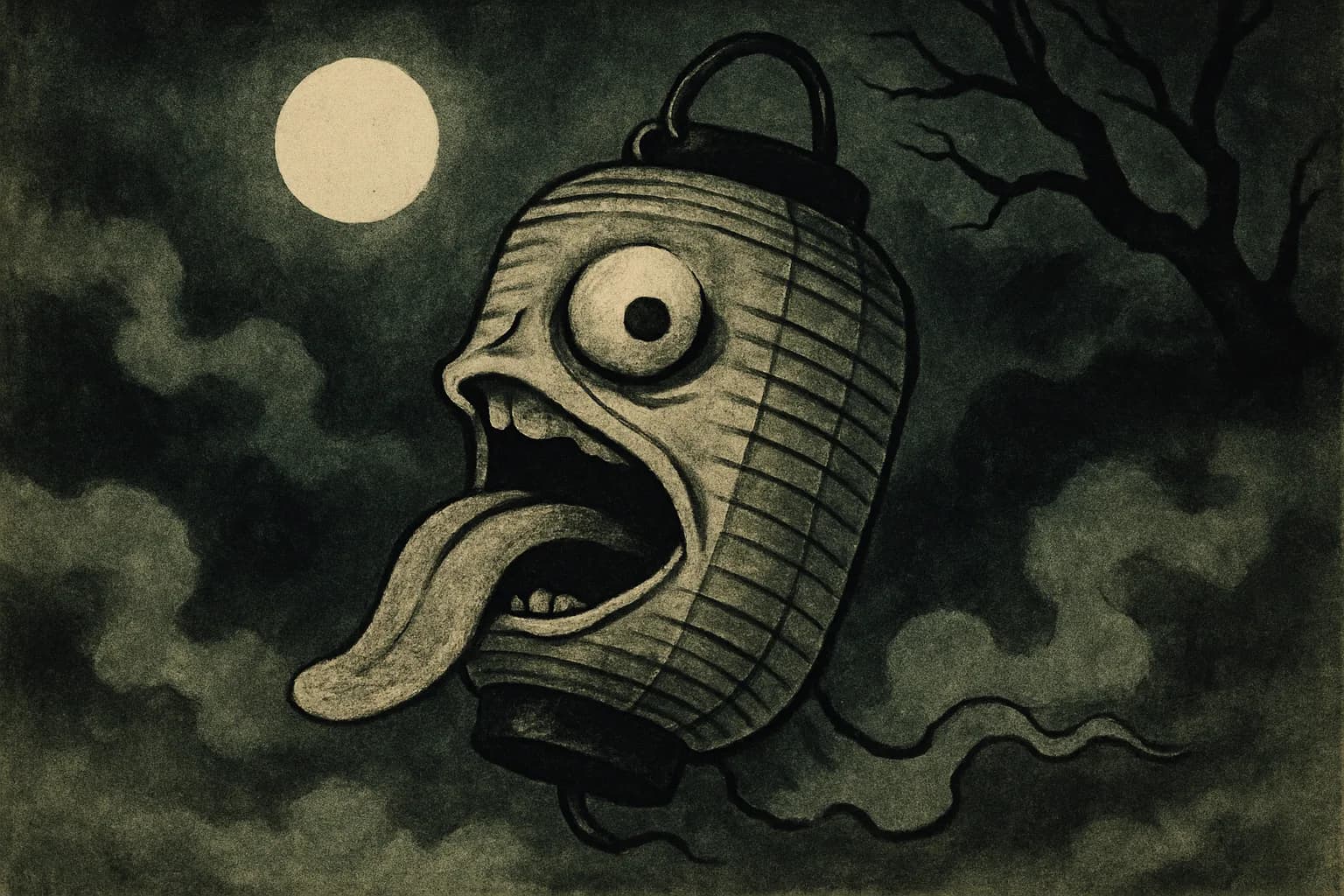
| Ordinary household goods — umbrella, lantern, futon, mirror, jar, crockery, cloth | 7 |
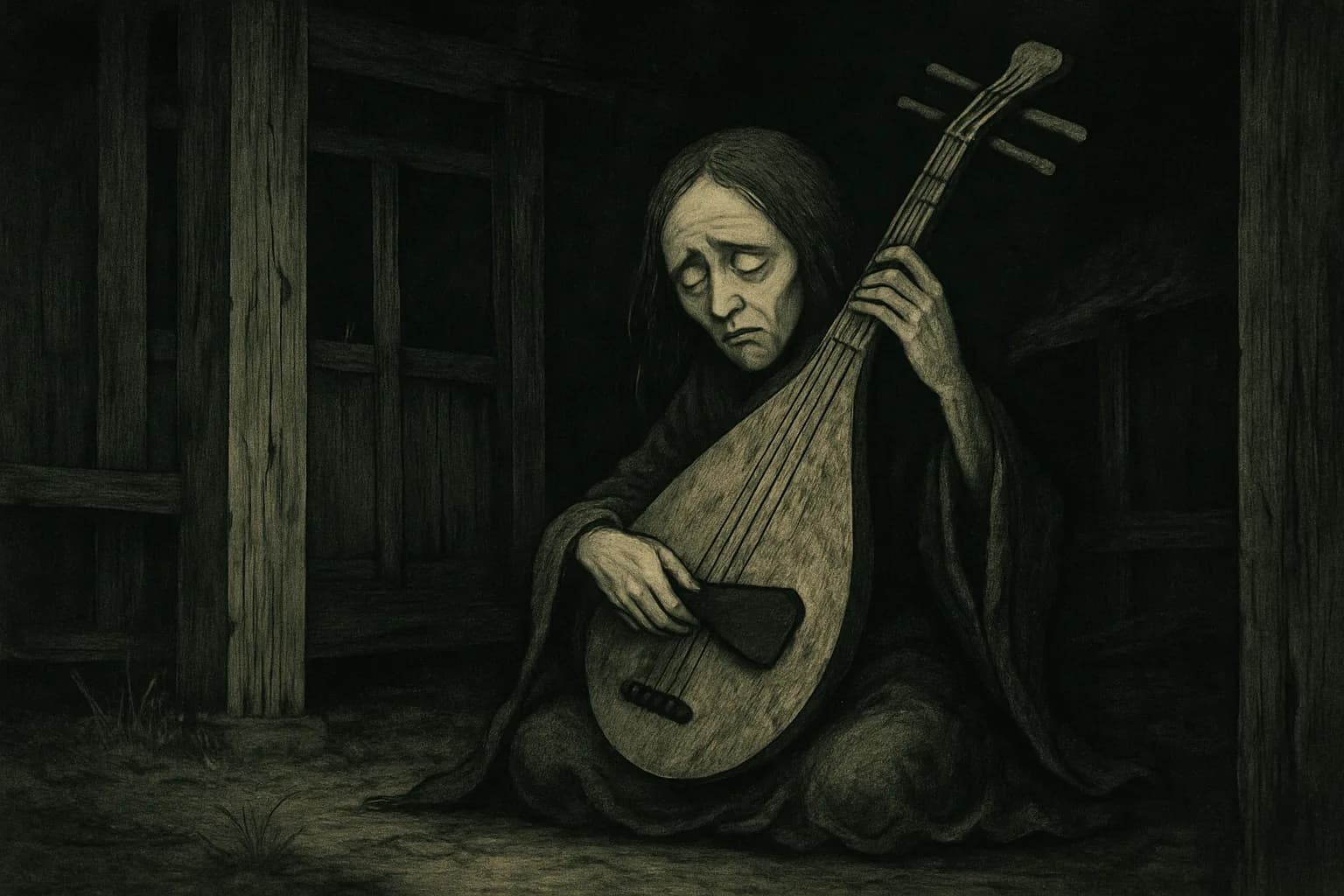
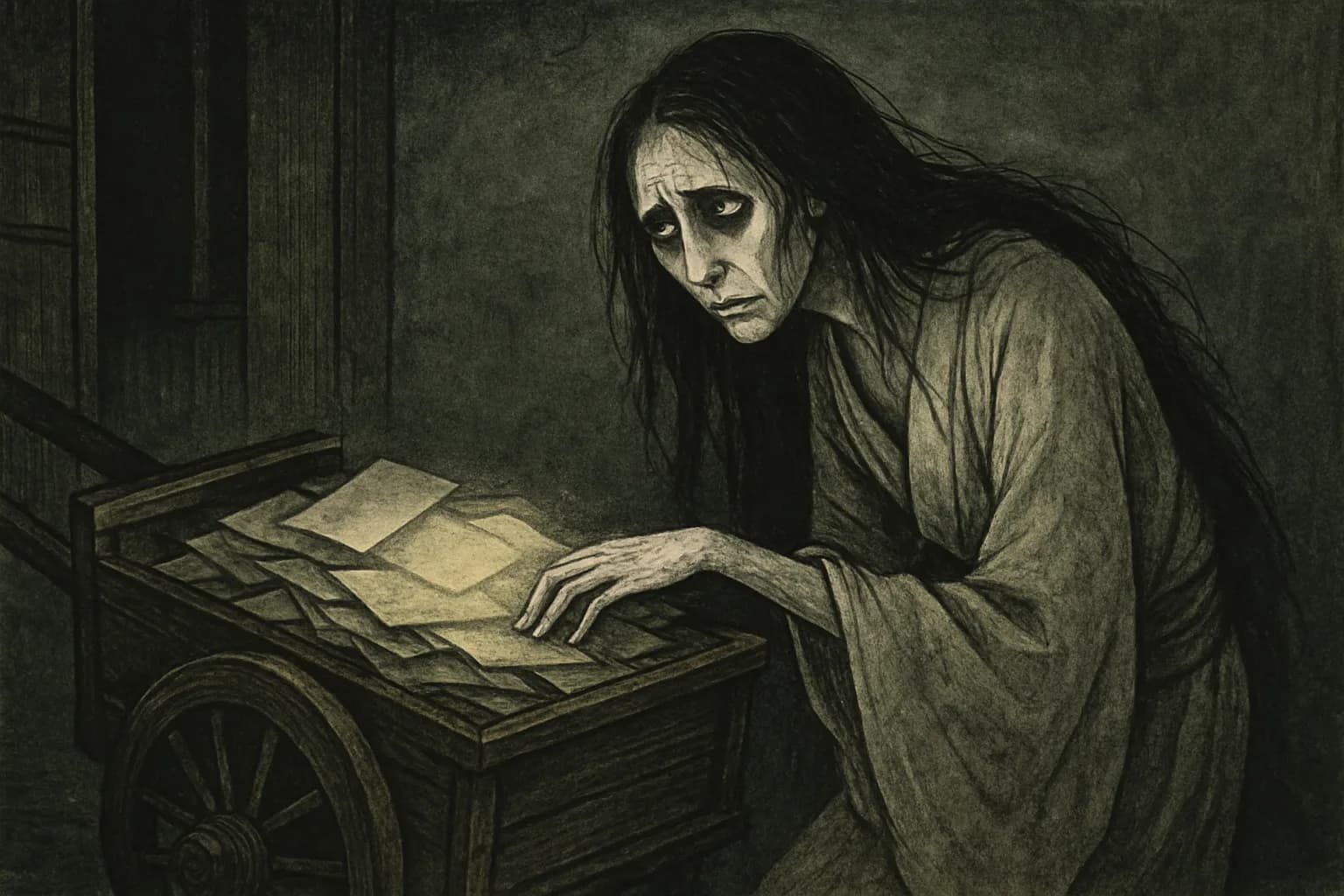
| Cultured possessions — biwa, koto, Noh masks, a cart of love letters | 4 |
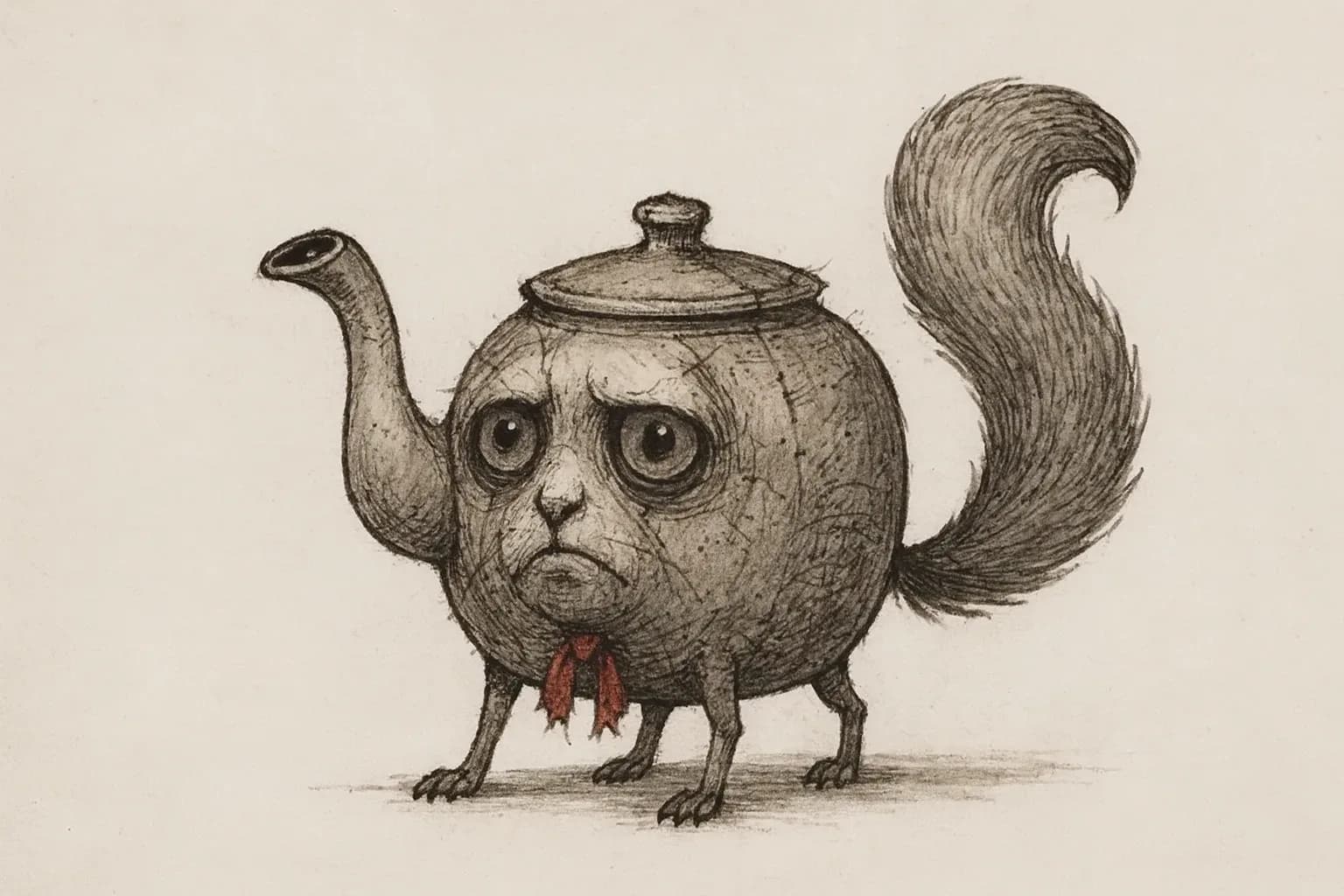
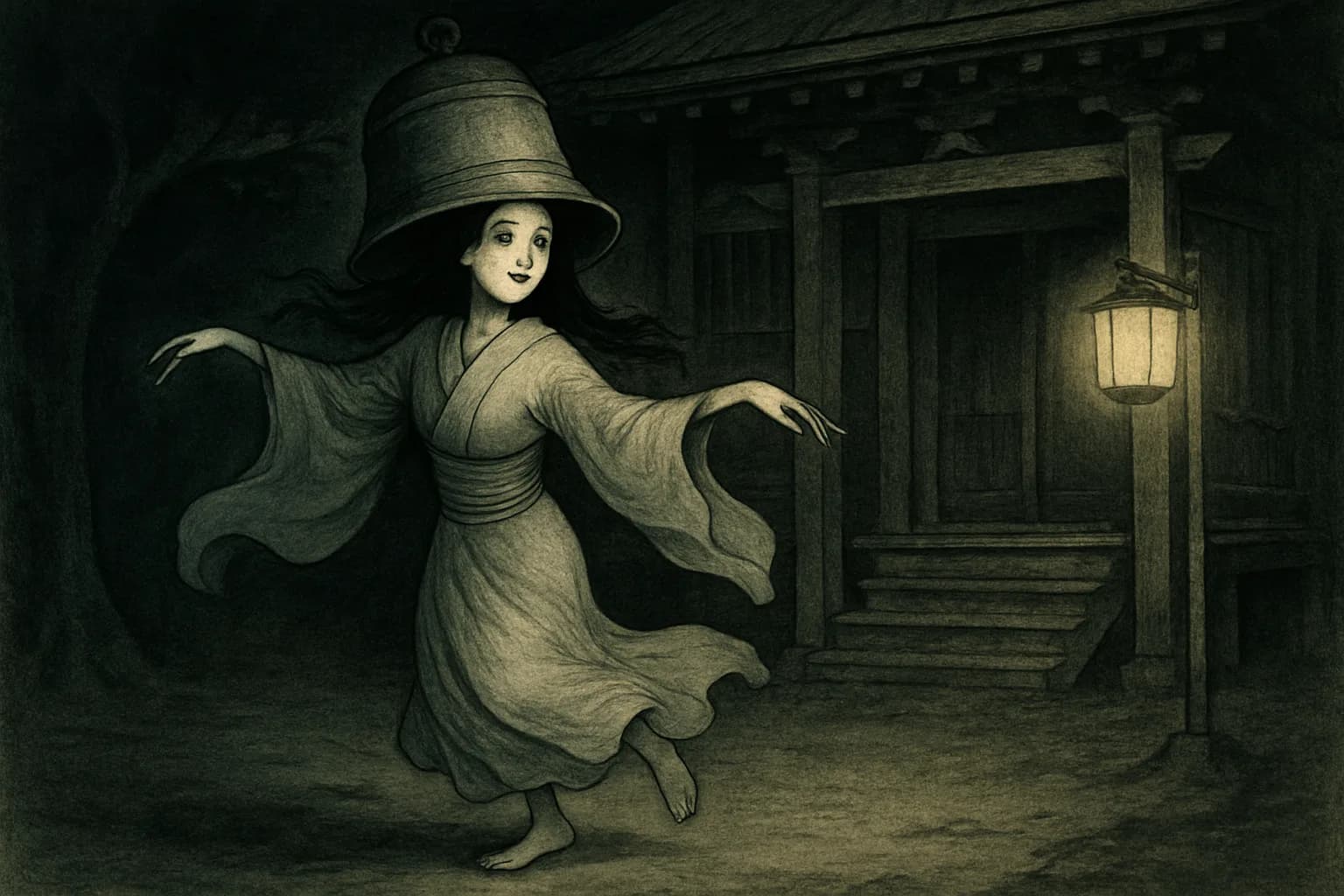
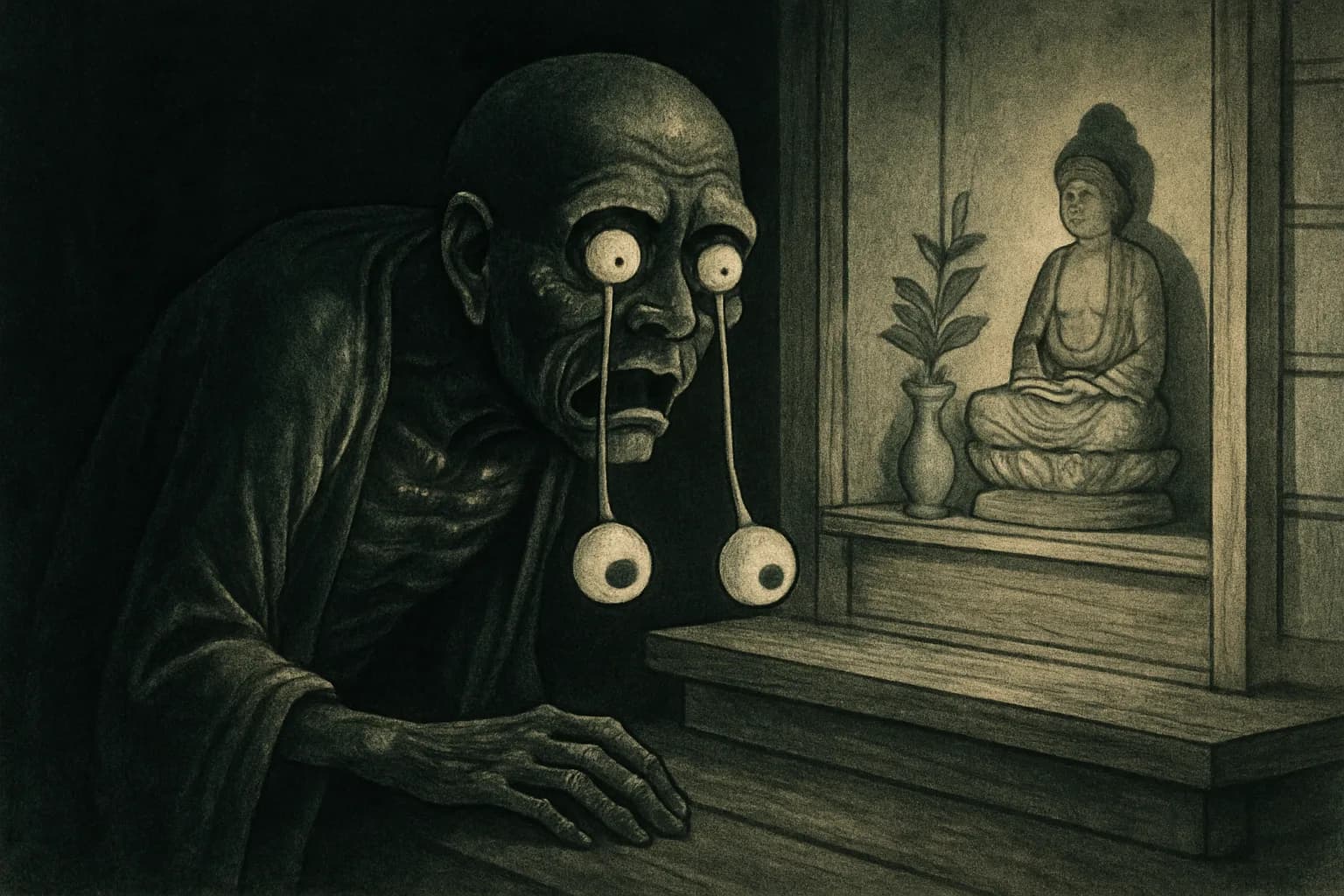
| Temple and shrine objects — two kettles, a shrine bell, an altar Buddha | 4 |
| Not a tool at all — the rubbish heap itself | 1 |
Fewer than half are the household goods the story requires.
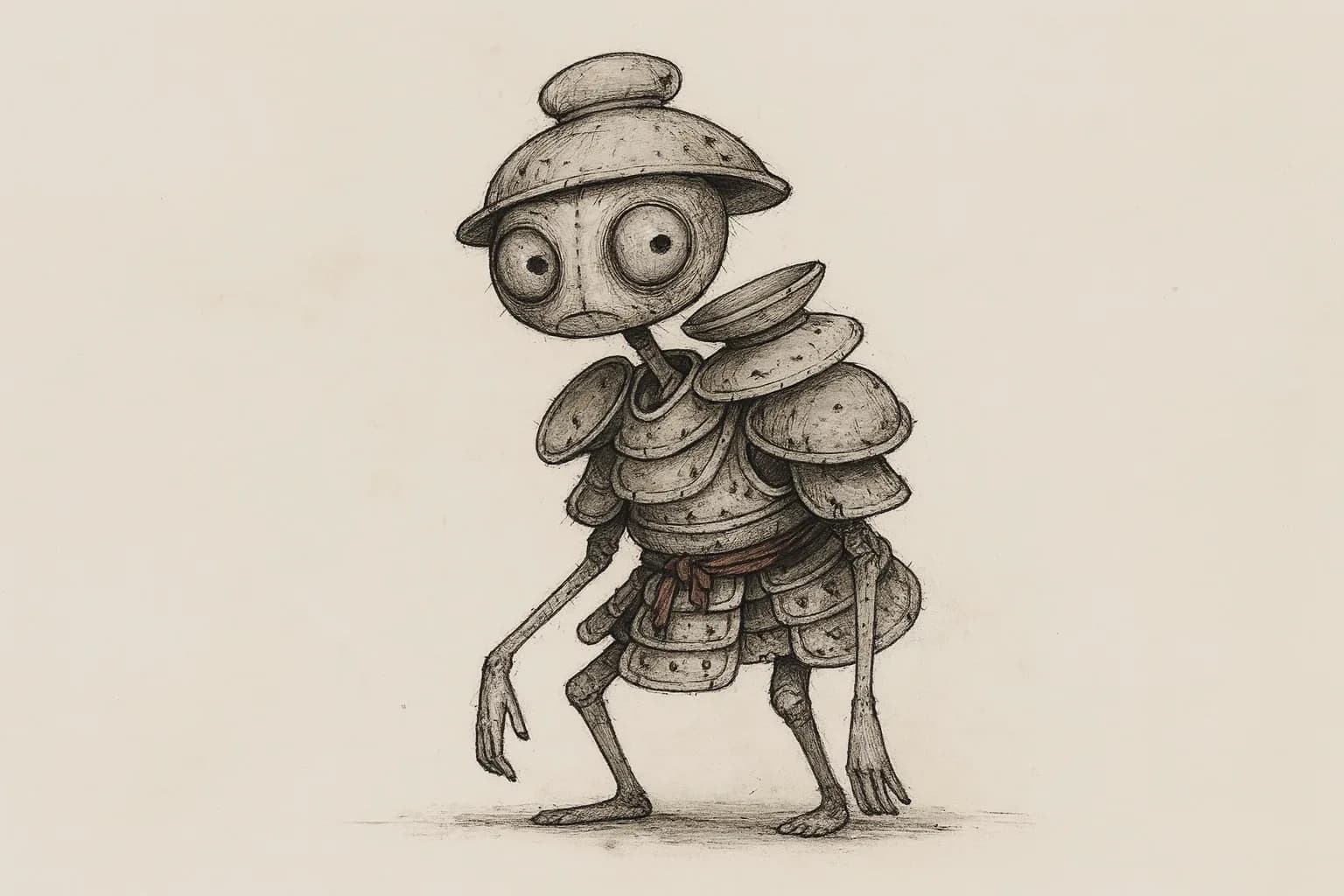
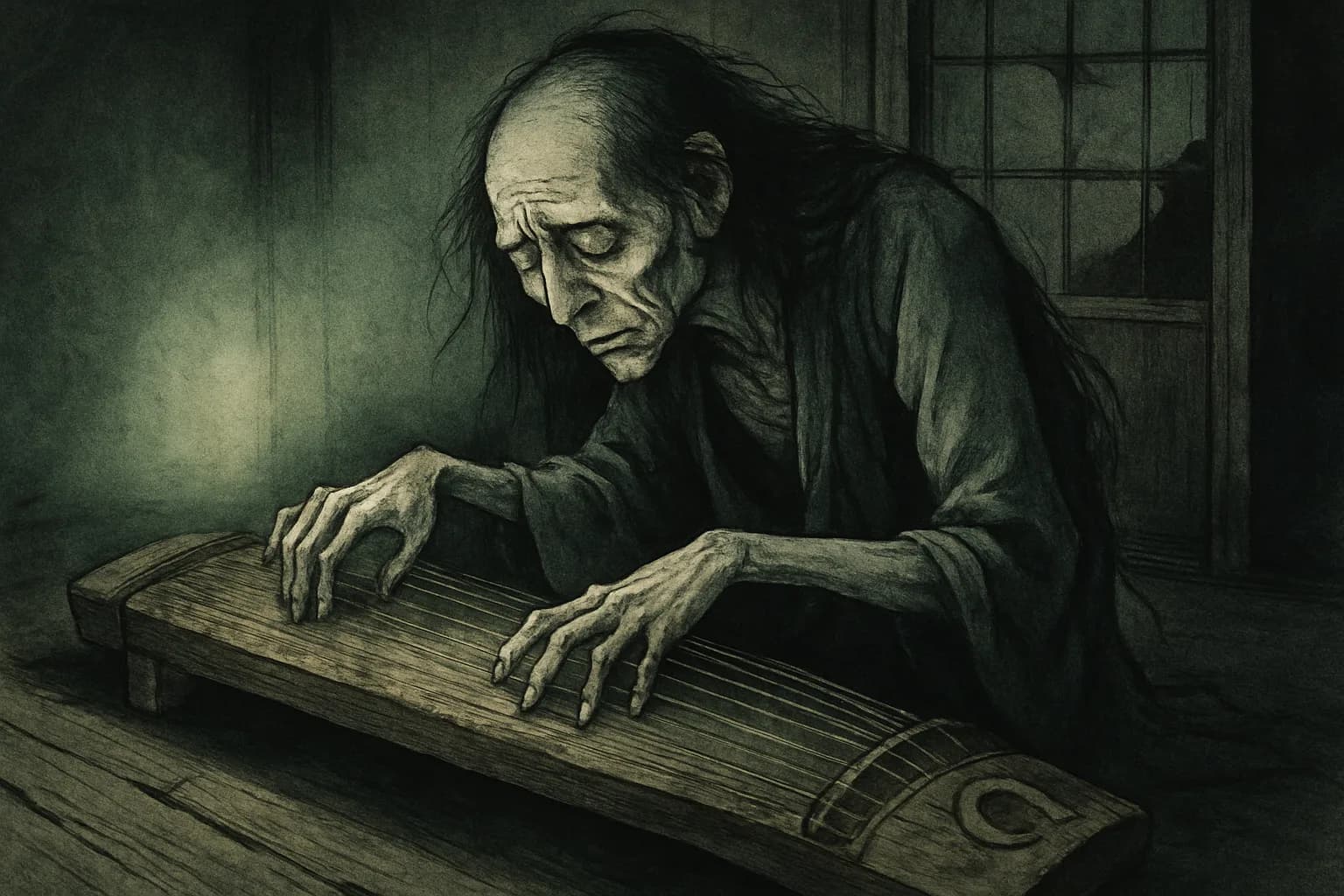
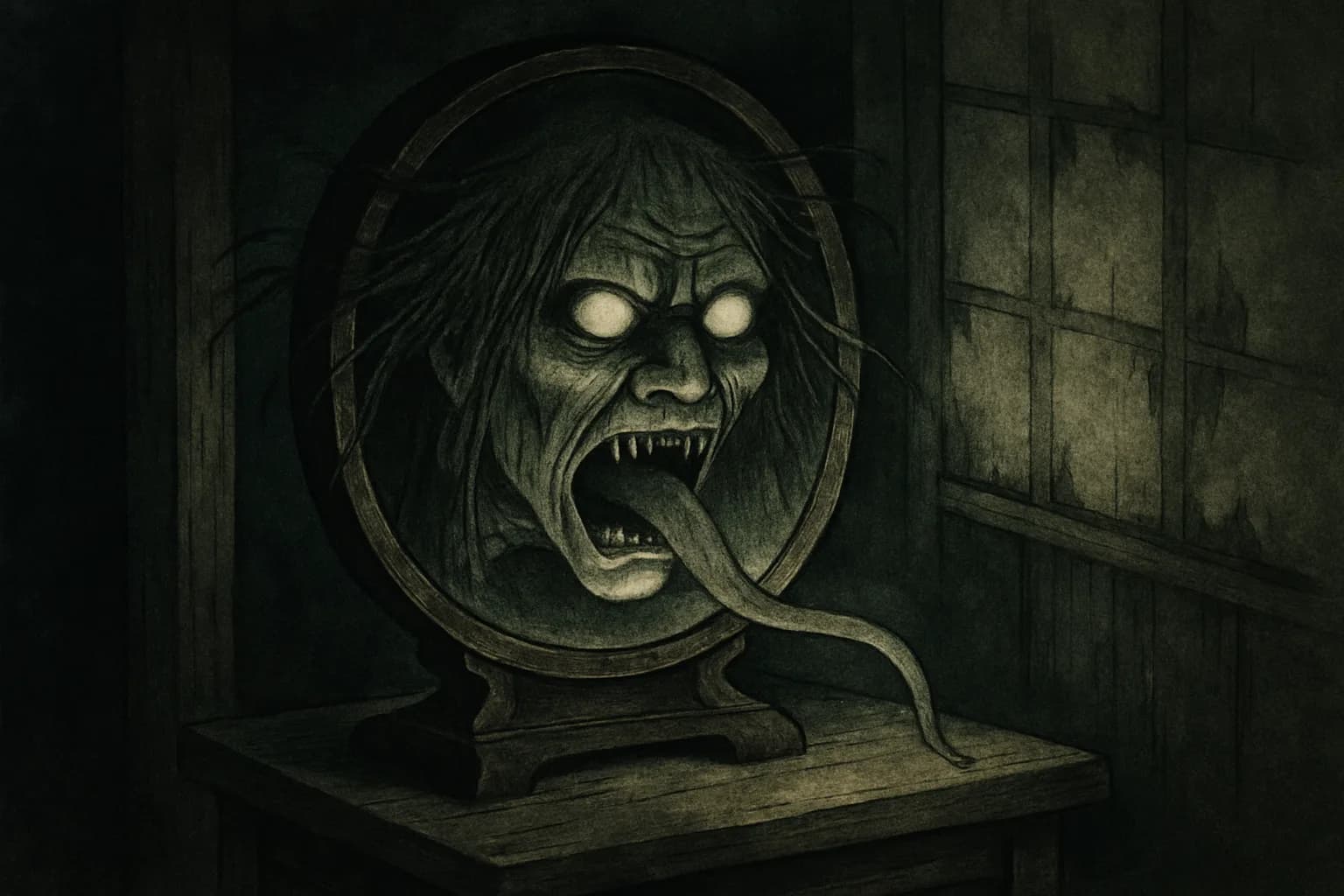
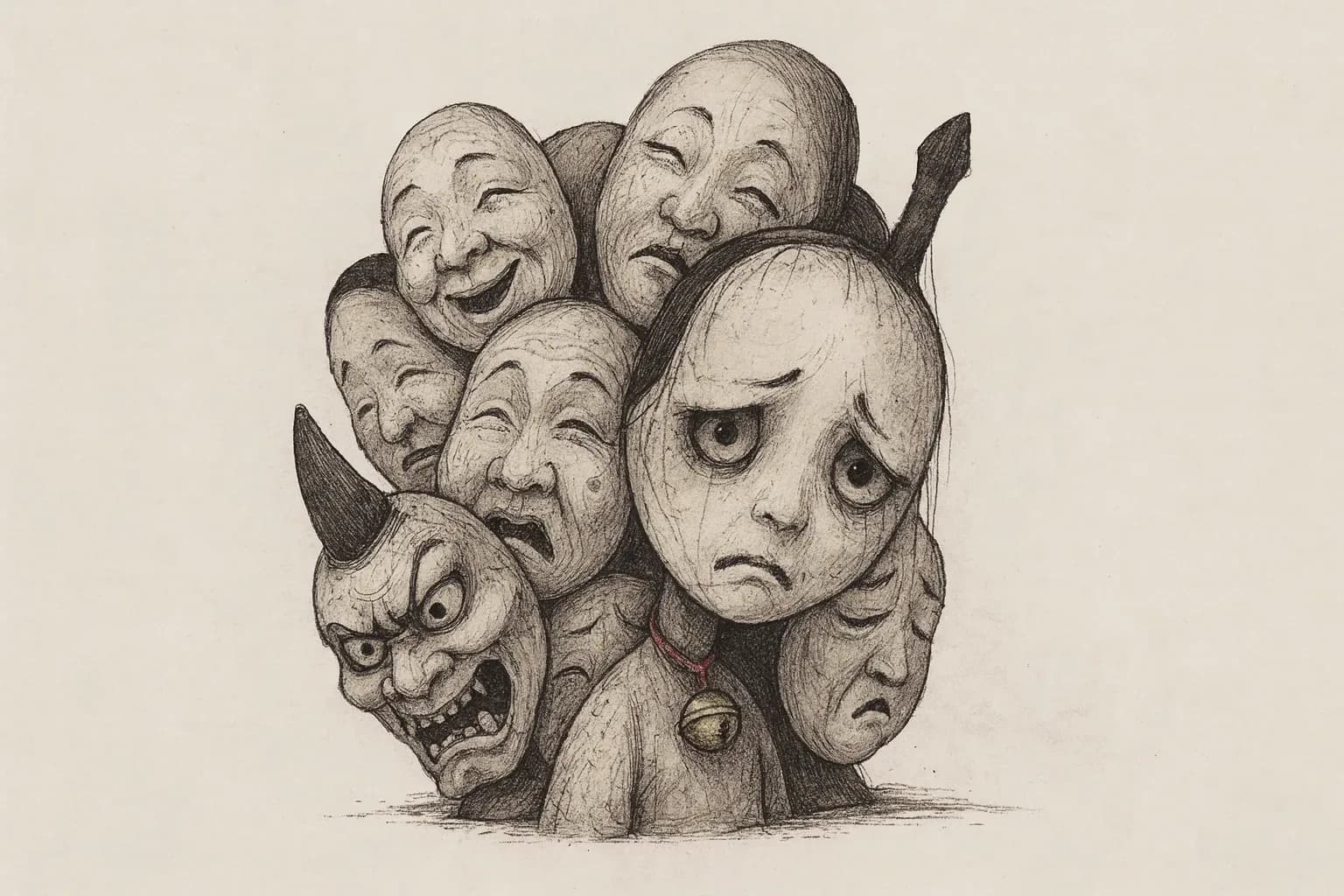
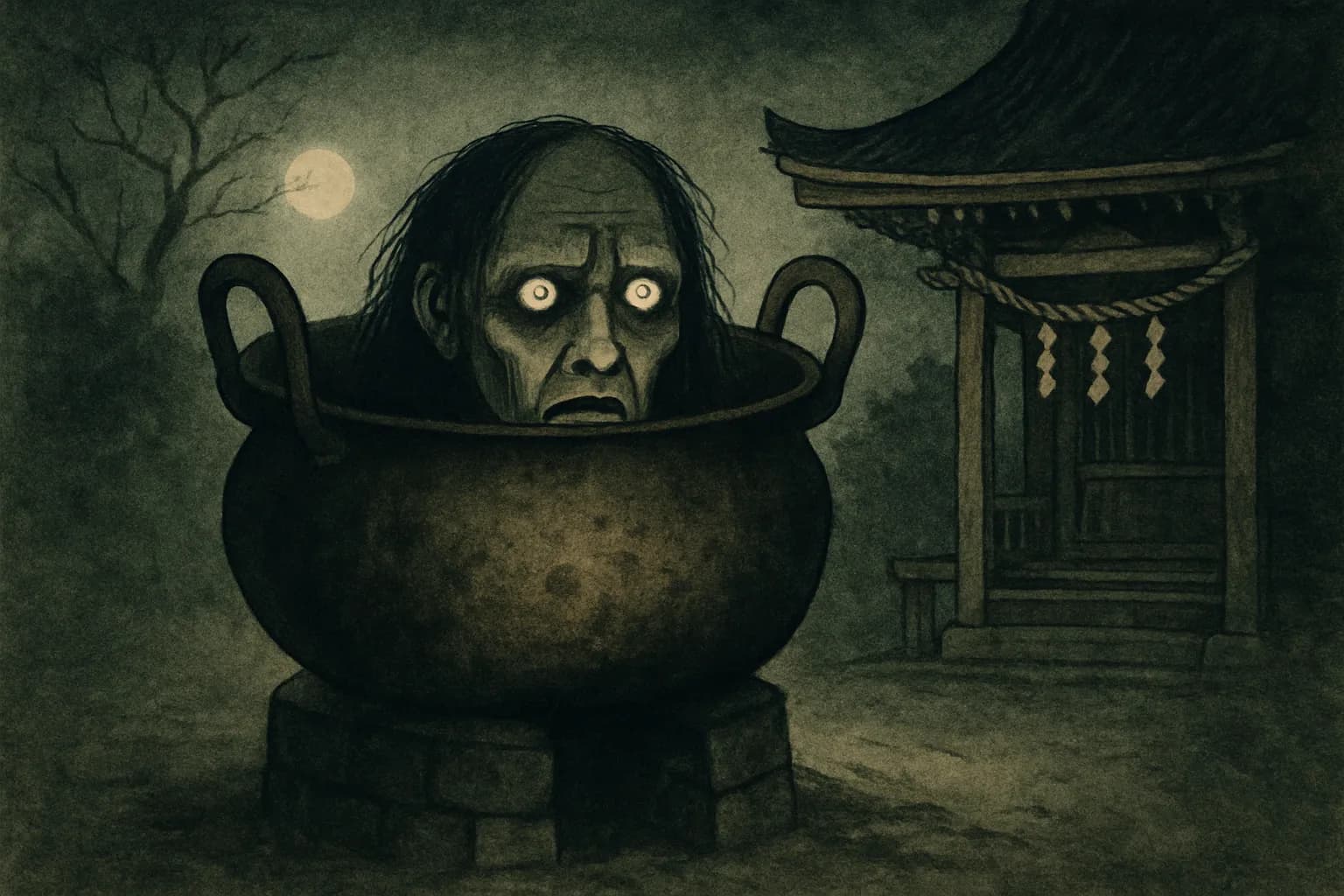
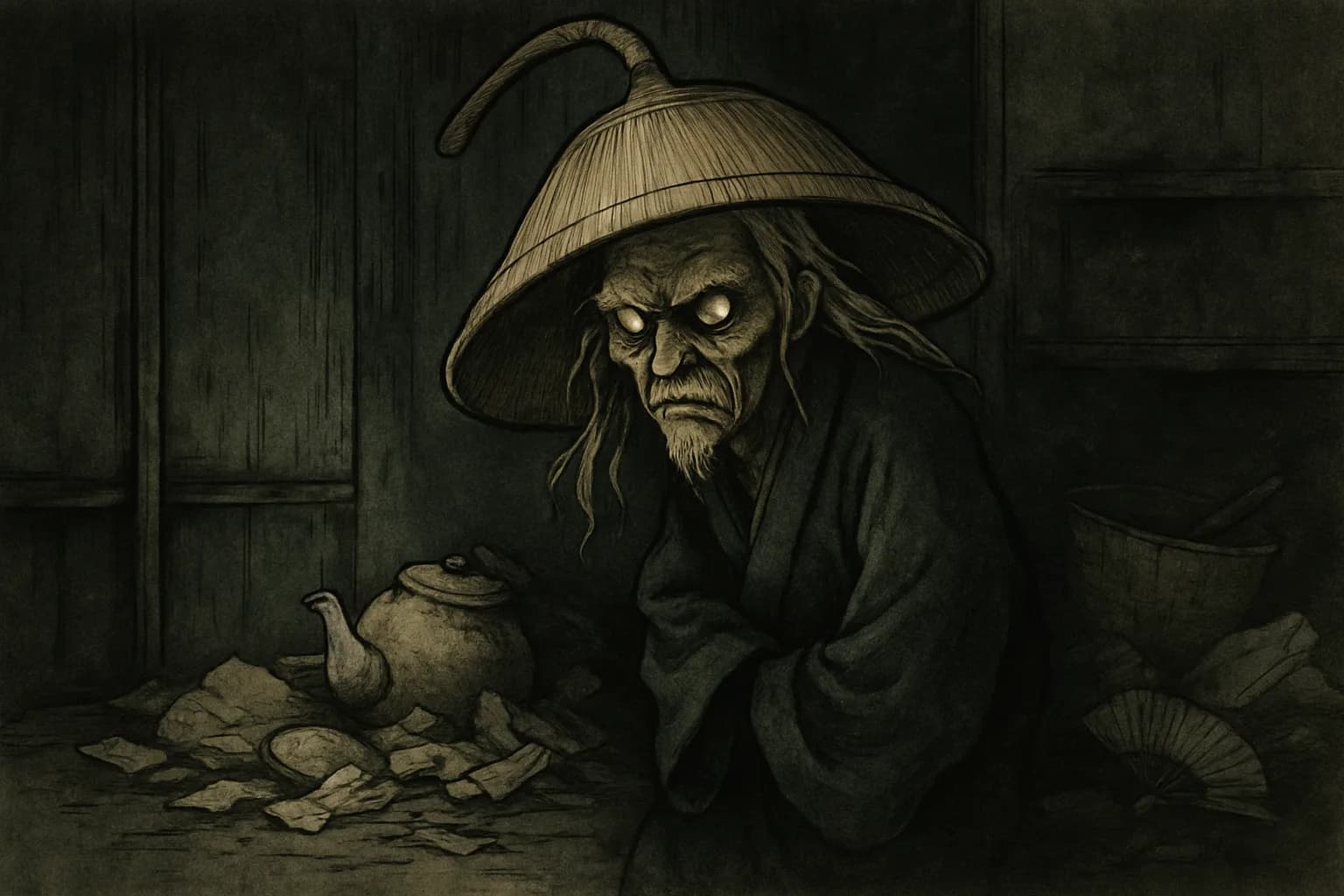
A koto-furunushi is a koto. A menreiki is a stack of retired Noh masks. Those are not things a farming household wore out. Morinji-no-kama belongs to a temple. Narigama is the cauldron at Kibitsu Shrine. Suzuhiko-hime is a shrine bell. Chirizuka-kaio is the rubbish heap, which was never anyone's tool in the first place.
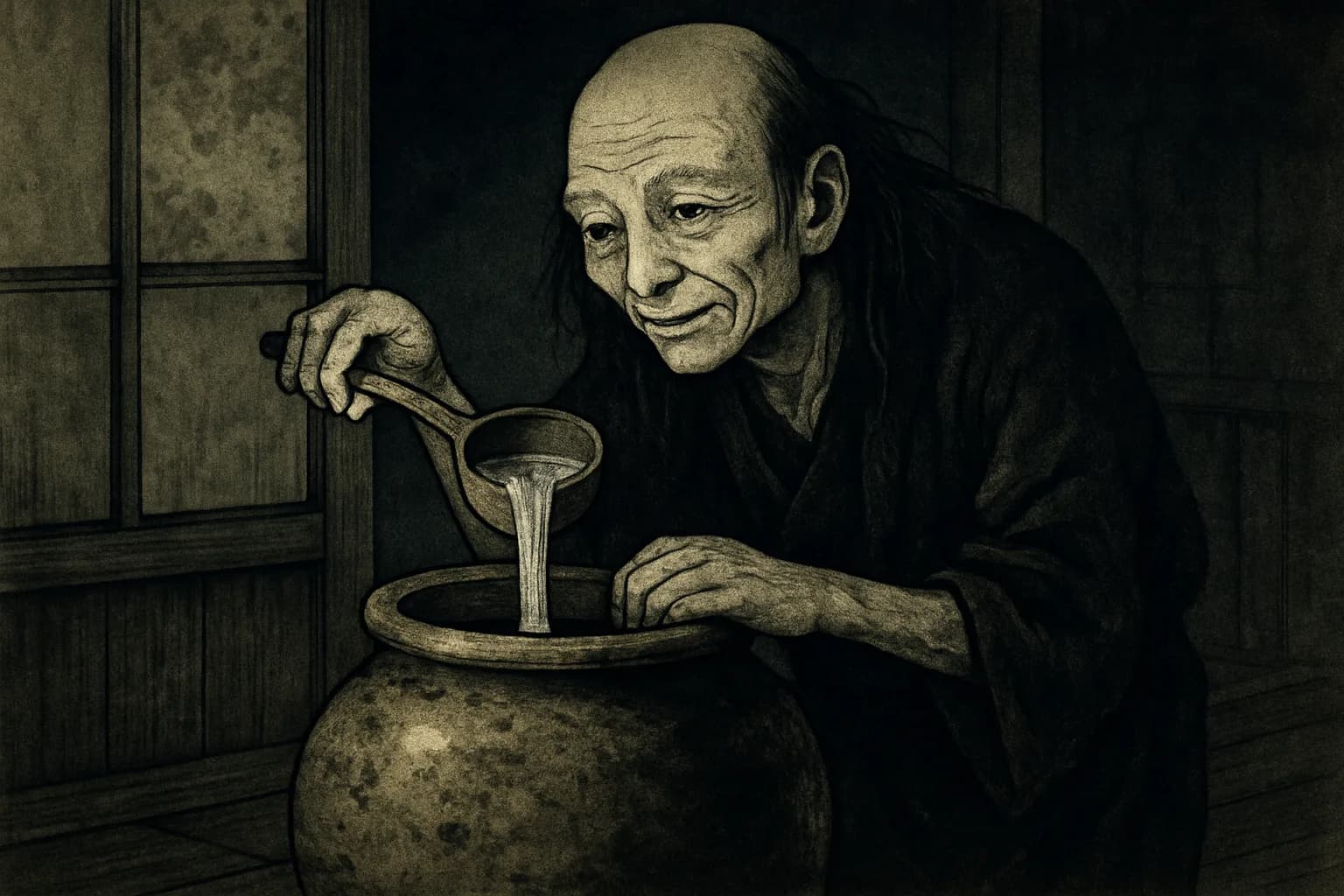
And kameosa breaks the rule from the other side. It is a water jar so old it never runs dry, and it rewards the household instead of punishing it. A revenge story has no room for that.
The mismatch suggests the two layers were never one tradition. Sekien had the word and the idea available. What he drew was governed by his joke, not by the scroll's rule.
What this leaves you with
The picture is layered, and the layers do not line up.
A medieval Buddhist tale set the number, quoting a book nobody has found. The word it used meant ninety-nine, and came from a poem about an old woman's hair. Roughly three centuries later an Edo artist filled a book with household objects wearing faces — mostly out of his own head, as a joke on a 14th-century essay collection.
The creatures people picture today are almost all from the joke book. The rule quoted beside them is from the sermon.
Both are real. They were simply never the same thing.
So the honest version of the sentence is longer than the one you usually read. A tool does not become a tsukumogami after a hundred years. A 15th-century monk wrote that it did, and an 18th-century artist drew the pictures we now attach to it.