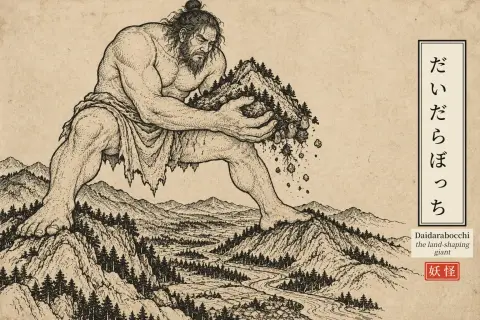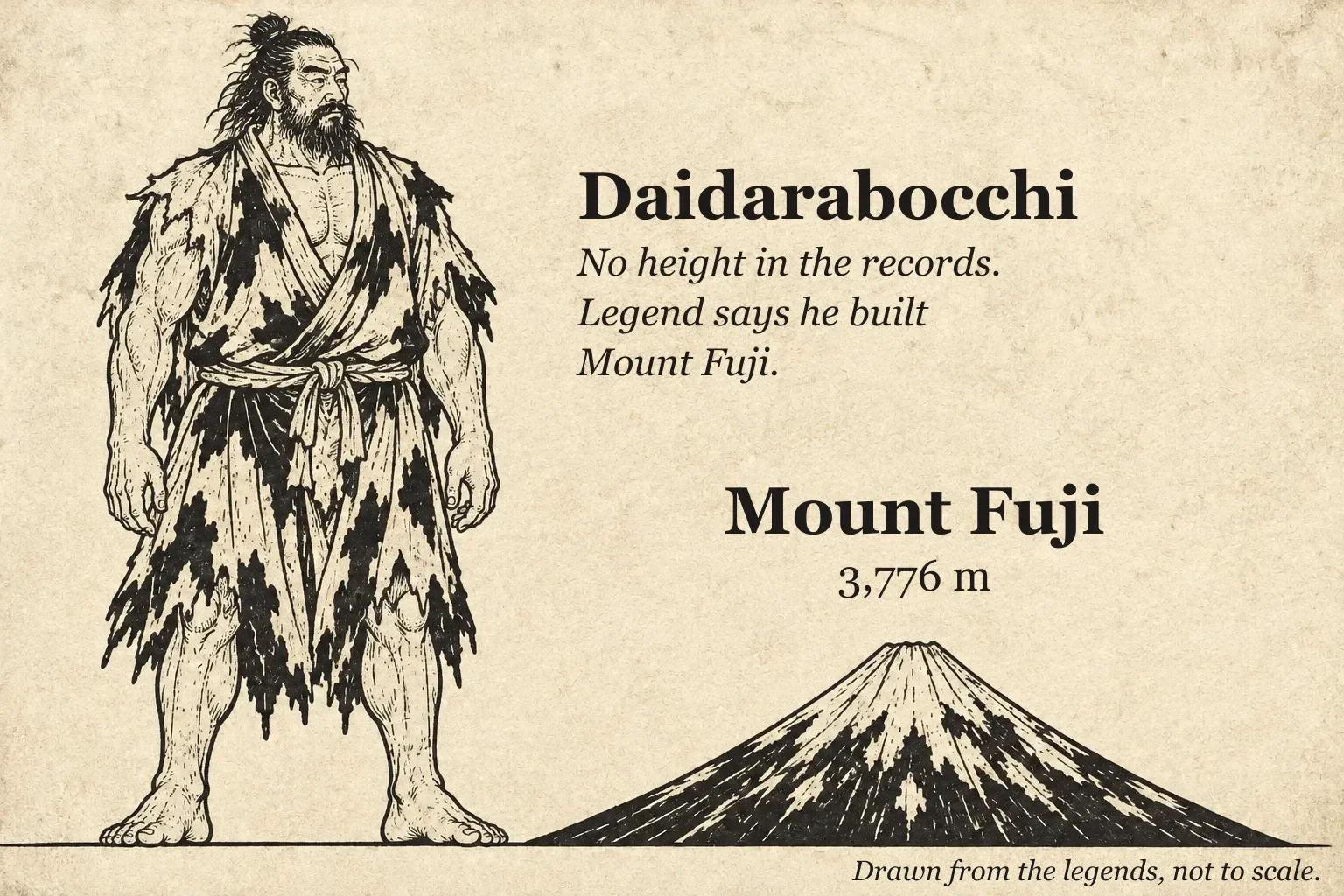
The tallest yokai, and the biggest giant of them all, is Daidarabocchi. He piles up mountains. Legend says he built Mount Fuji, so no record gives his height in numbers.
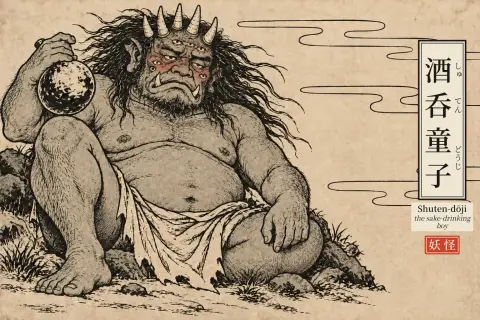
The tallest yokai with a written height is Shuten-dōji, an oni king. A 14th-century picture scroll makes him 15 metres tall. That is as tall as a five-storey building.
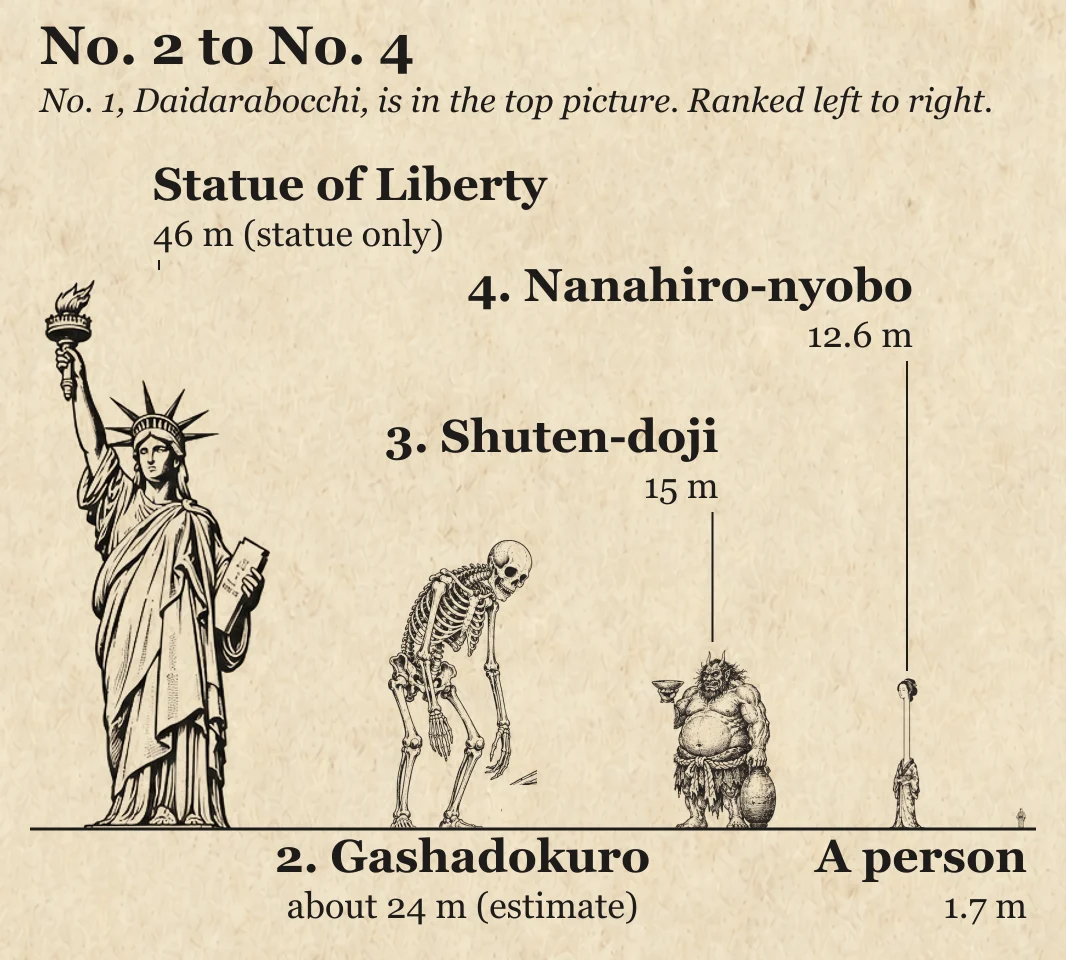
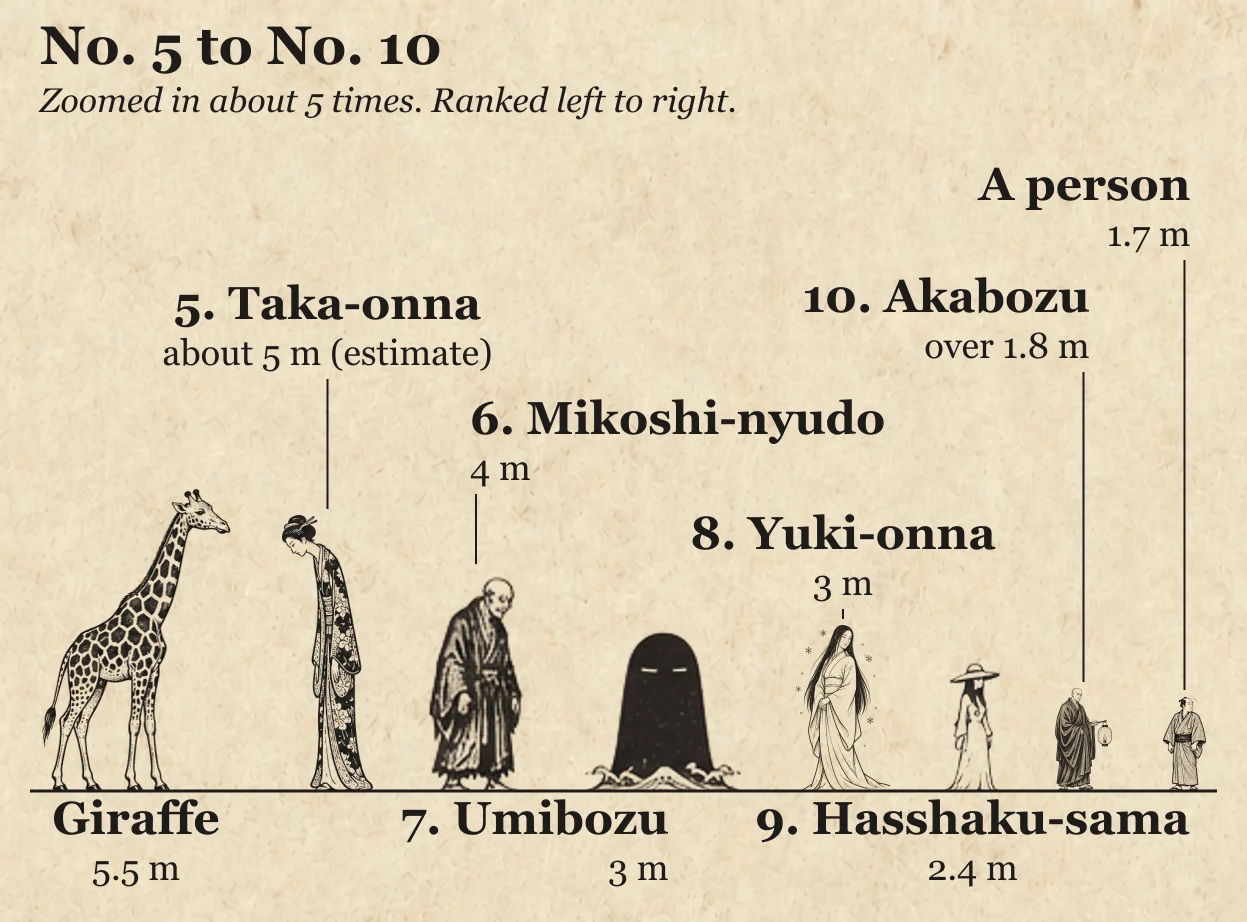
| Rank | Yokai | Height | Record | Kind |
|---|---|---|---|---|
| 1 | Daidarabocchi | Footprint 40 paces; later said to build Mount Fuji | Hitachi no Kuni Fudoki (8th c.) | Described |
| 2 | Gashadokuro | About 24 m | Magazine article (1966); size from websites | Estimate |
| 3 | Shuten-dōji | 5 jō, about 15 m | Ōeyama Ekotoba (late 14th c.) | Measured |
| 4 | Nanahiro-nyōbō | 7 hiro, about 12.6 m | San'in oral tradition | Measured |
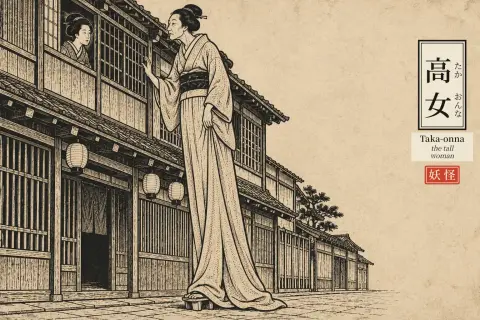
| 5 | Taka-onna | About 5 m | Toriyama Sekien (1776) | Estimate |
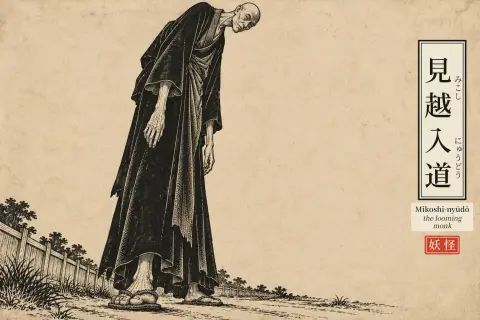
| 6 | Mikoshi-nyūdō | About 4 m, and growing | Enka Kidan (1773) | Measured |
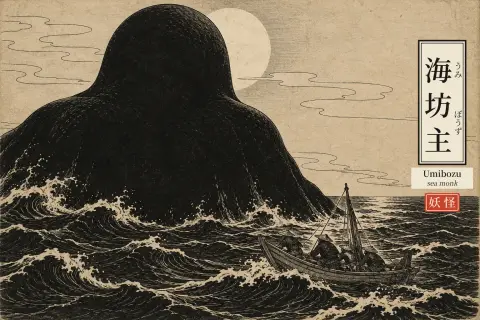
| 7 | Umibozu | 1 jō, about 3 m | Usō Kanwa (1851) | Measured |
| 8 | Yuki-onna | 1 jō, about 3 m | Sōgi Shokoku Monogatari (1685) | Measured |
| 9 | Hasshaku-sama | 8 shaku, about 2.4 m | Forum post (2008) | Measured |
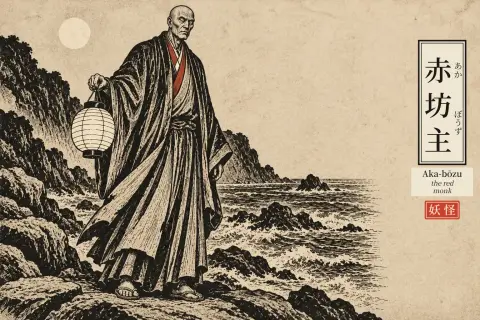
| 10 | Akabōzu | Over 180 cm | Ehime telling, recorded 1991 | Measured |
Measured means a record gives a number. One shaku is about 30 cm, one jō 3 m and one hiro 1.8 m. Described means the record compares it to land. Estimate means no record gives a number, so we guessed and explain how.
This list is about height. Giants that are long rather than tall, like the eight-headed serpent Orochi, get their own ranking.
The tallest giant has two sizes
1. Daidarabocchi
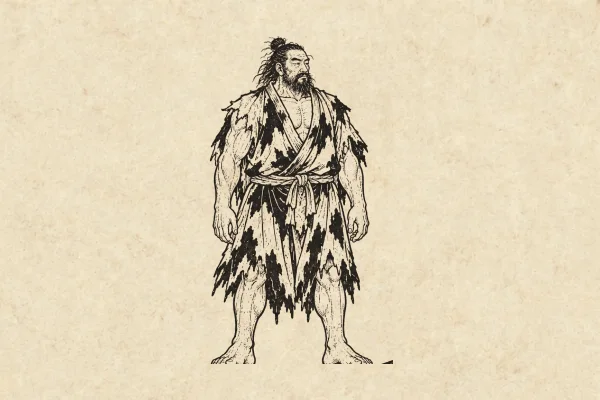
One of the oldest giant stories of the Daidarabocchi kind is in the Hitachi no Kuni Fudoki, an 8th-century report on today's Ibaraki. It calls him only "a very tall person." He sat on a hill, reached the sea and ate clams. The shells became a mound. His footprint was about forty paces long and twenty wide. Later legends say he dug Lake Biwa and piled the earth into Mount Fuji.
So how tall is he? The two stories do not agree. An old pace was about 1.8 m, so the footprint was about 70 m. A foot is one-seventh of a body, so that giant was about 500 m tall. The later giant is far bigger. Some local stories say ponds are the footprints he left when he tried to lift Mount Fuji onto his back. Our picture at the top follows these later legends.
What to do if you meet him? The records give no advice.
A skeleton and an oni king
2. Gashadokuro
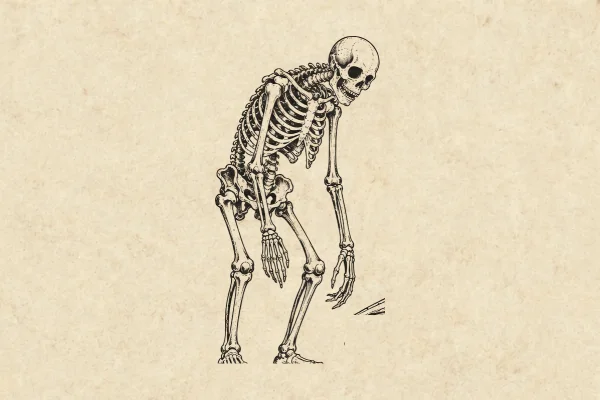
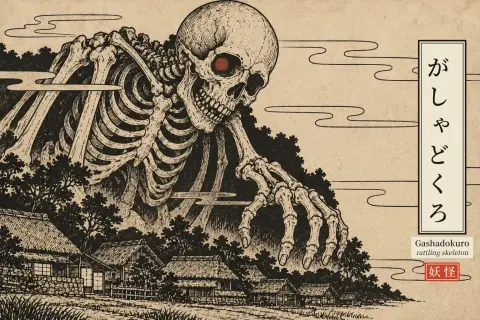
The giant skeleton is the most famous name here. But no old record gives it a size. It first appeared in print in November 1966, in a girls' magazine. Many websites say it is fifteen times as tall as a person. That is about 24 m. We could not find where that number comes from, so we use it only as an estimate. The story gives no way to escape it.
3. Shuten-dōji
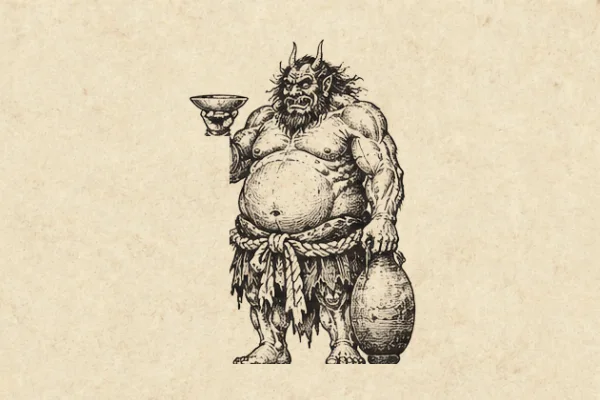
This oni king lived on Mount Ōe and stole people from Kyoto. The Ōeyama Ekotoba scroll gives him a height of 5 jō, about 15 m. That makes him the tallest yokai with a written number. Yorimitsu and his men went to him dressed as mountain monks. The god Hachiman gave them a sake that poisons demons. The oni drank it, and they took his head.
Two tall women
4. Nanahiro-nyōbō
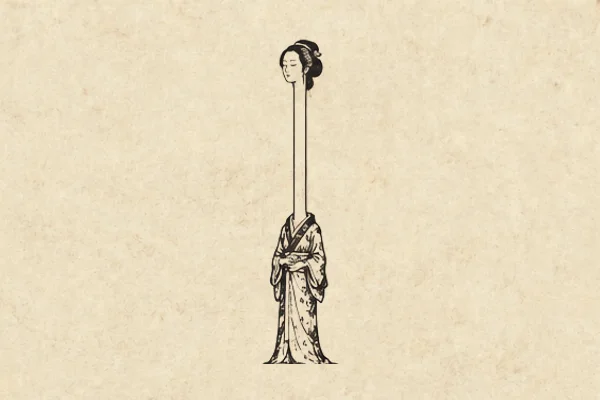
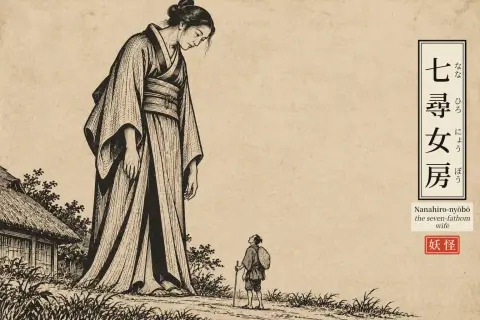
Nanahiro-nyōbō's name is her size: seven hiro, about 12.6 m, for her body or just her neck. In Shimane Town, she stood with one foot on a hill and one on an island. She grinned at walkers with blackened teeth. We found no rule for meeting her. On the Oki Islands, a rider cut her face with his sword. She flew up and turned into a rock.
5. Taka-onna
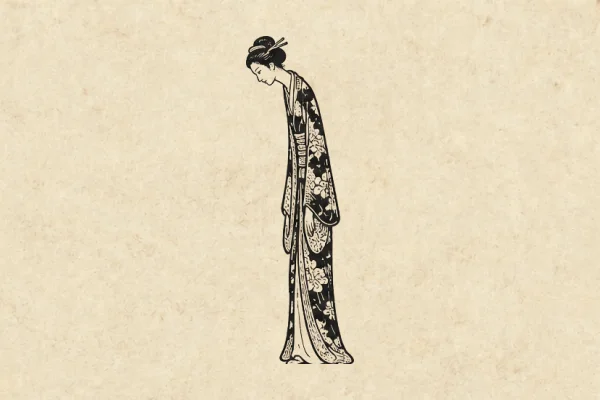
Toriyama Sekien drew Taka-onna in 1776. Her lower body stretches up to the upper floor of a pleasure house, so she can look in. No text gives a number. An upper window of that time was about 4 to 5 m up, so 5 m is our estimate. Later writers made her a jealous woman.
Two or three people tall
6. Mikoshi-nyūdō
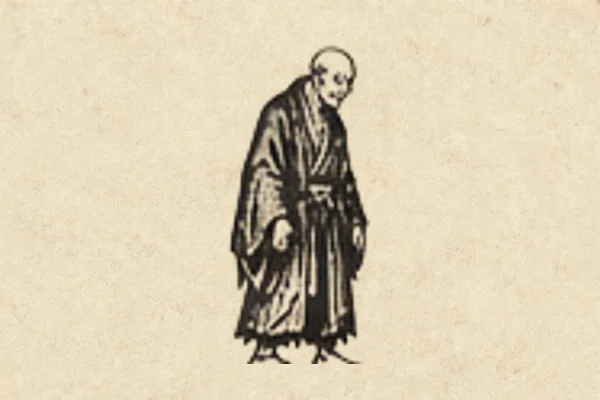
This monk grows taller the longer you look up. The Enka Kidan of 1773 gives one number, and we rank it by that. A merchant on the road to Nagoya met a monk about 4 m tall. It stepped over him, and he died thirteen days later. The fix: look from its head down to its feet. Or say "mikoshita," which means "I have seen over you."
7. Umibozu
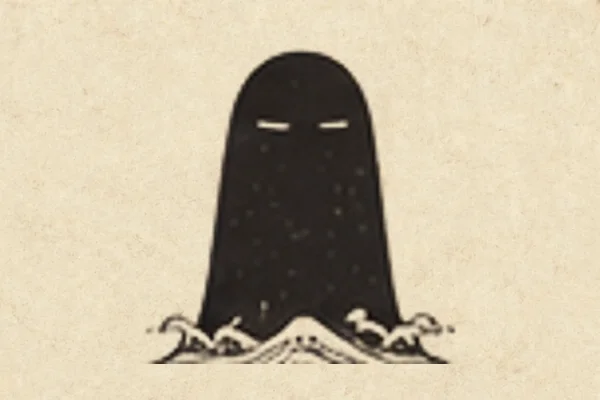
In the Usō Kanwa of 1851, a sailor from Kuwana goes to sea on a banned day. A monk-headed giant about 1 jō tall rises from the water. It asks, "Am I frightening?" He answers, "Nothing is scarier than making a living." It vanishes.
A snow woman, a tall stranger and a red monk
8. Yuki-onna
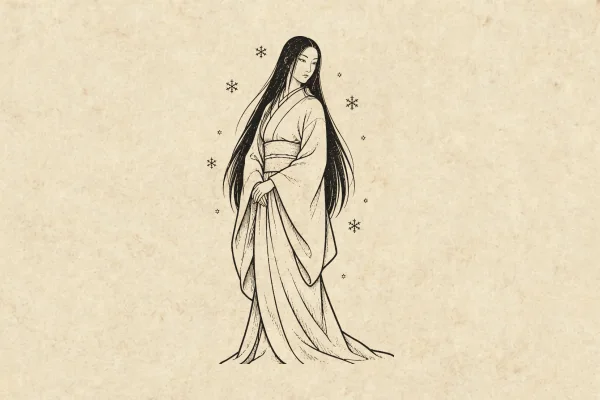
The snow woman is in print by 1685. The Sōgi Shokoku Monogatari tells of one seen in Echigo, today's Niigata, about 1 jō tall. In Lafcadio Hearn's famous 1904 story, she spares a young man. He must never speak of that night. Years later he does, and she leaves him.
9. Hasshaku-sama
Her name is her height: eight shaku. Hasshaku-sama comes from a forum post dated August 26, 2008. A boy hears "po, po, po" and sees a tall woman above a hedge. The rule: stay in a sealed room until morning, whoever calls.
10. Akabōzu
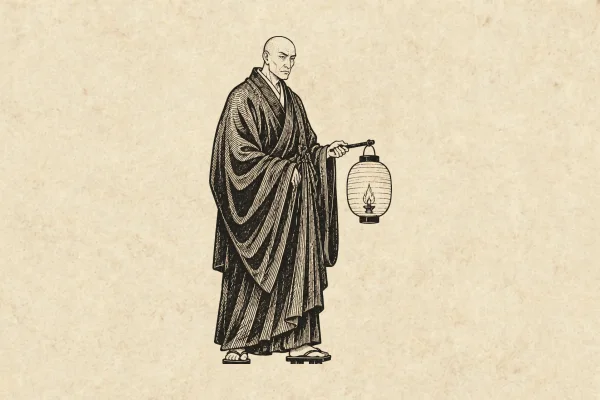
A fisherman in Jōhen, Ehime, saw a light on the beach. It was Akabōzu, a red monk over 180 cm tall, holding the light. It did no harm. It turned and walked into the sea. That is only a tall man's height. But the record calls it a big monk.
Too tall to number
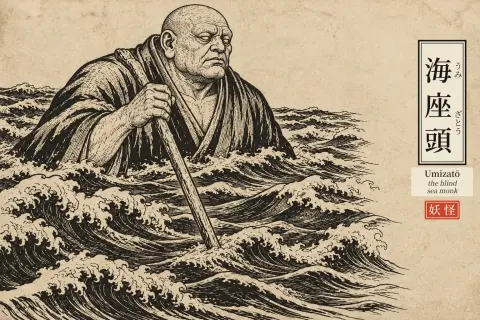
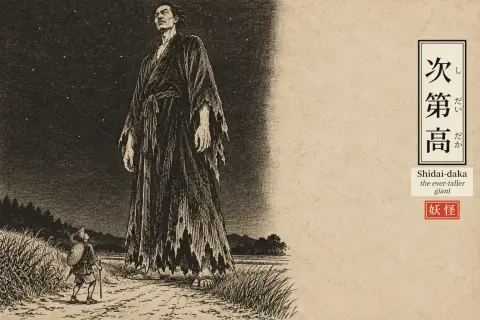
Some yokai are tall with no number at all. Sekien's Umizato wades through the open sea like a giant blind minstrel. His Ōzatō is another blind minstrel, far larger than a real one. Kerakera-onna laughs down at you from above a fence. And shidai-daka grows each time you look up, so it has no top at all.
The taller the giant, the less you can do
The tallest belong to the land itself. The middle heights live in mountain hideouts and old towns. The shortest walk lonely roads and beaches, at about 2 to 4 m. That is a height one frightened person could judge at night.
The answers follow the height. The shortest giants are beaten with words or rules: "I have seen over you," a brave reply, or staying in a room until morning. The oni king needed heroes and a god's sake. The tallest has no answer at all. No one fights Daidarabocchi.
One tall giant is not written up yet. The Heike Monogatari has skulls that join into one, about 45 m tall. When it arrives, it goes near the top. For the other end of the scale, see the smallest yokai.