No creature in Japanese folklore is more instantly recognizable than the oni — the horned, fanged, club-wielding ogre that has terrorized villages, guarded gates, and starred in cautionary tales for over a thousand years. Part demon, part giant, part embodiment of raw disaster, the oni is Japan's closest thing to an all-purpose monster, and it is still driven out of homes across the country every single winter.
What does an oni look like?
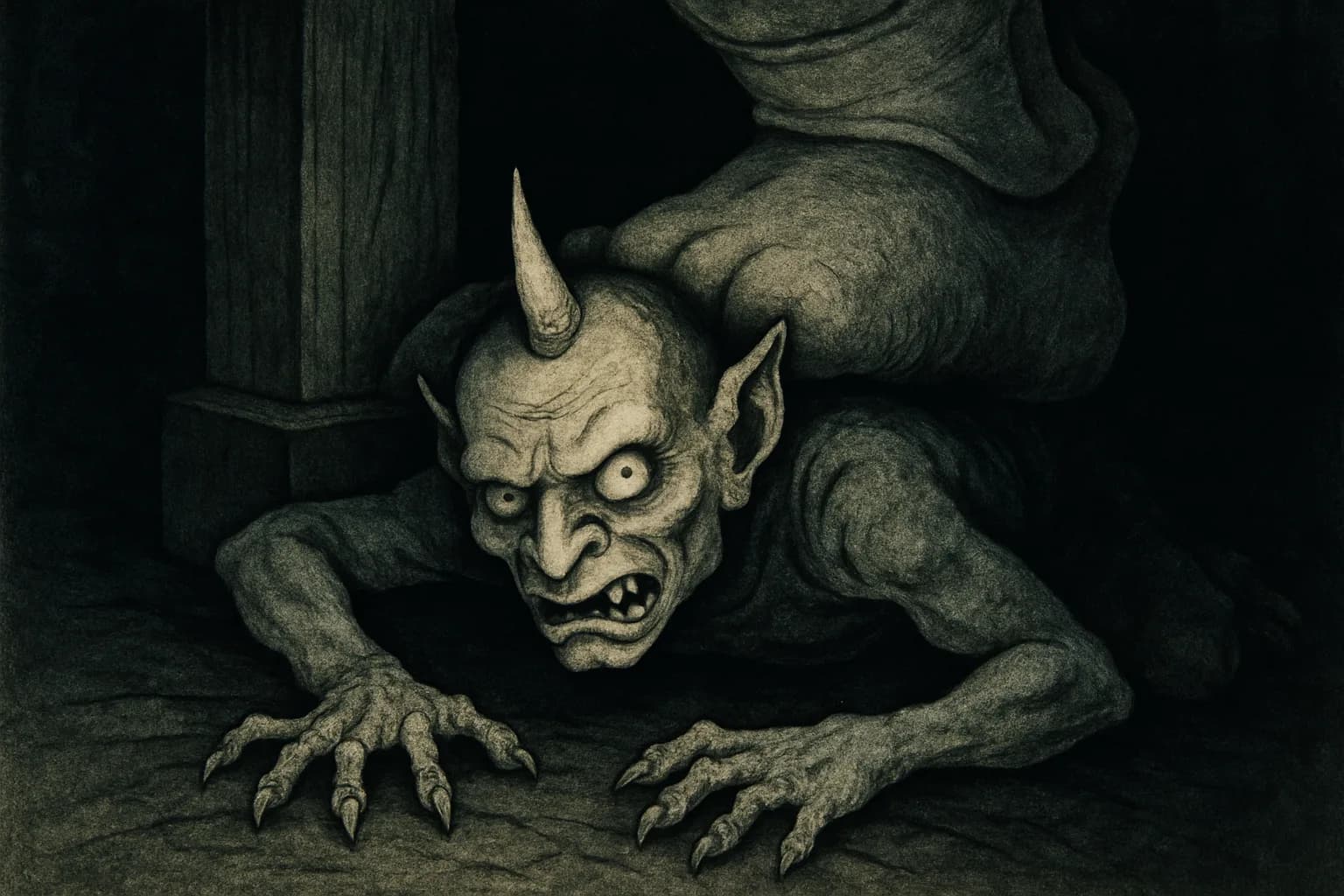
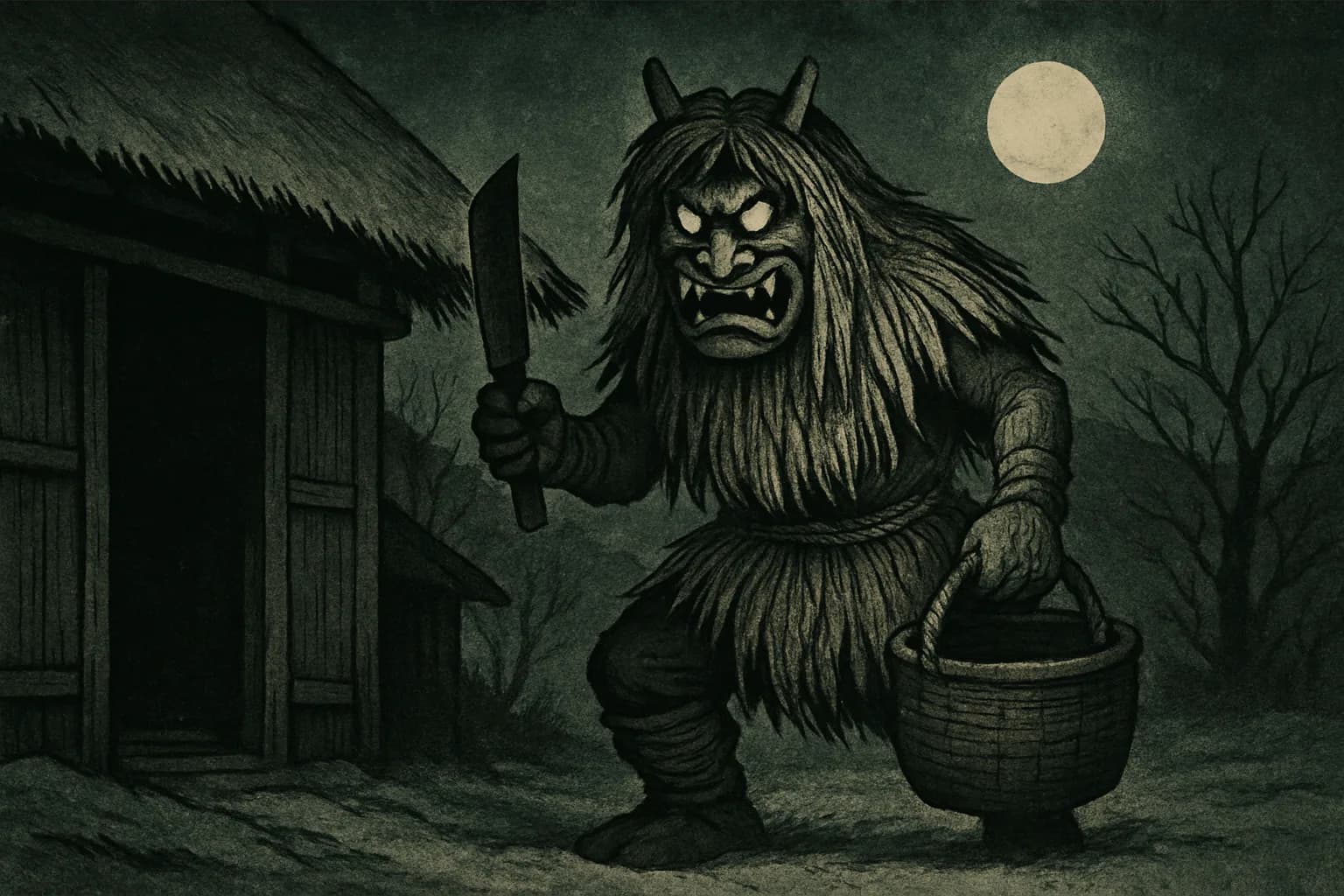
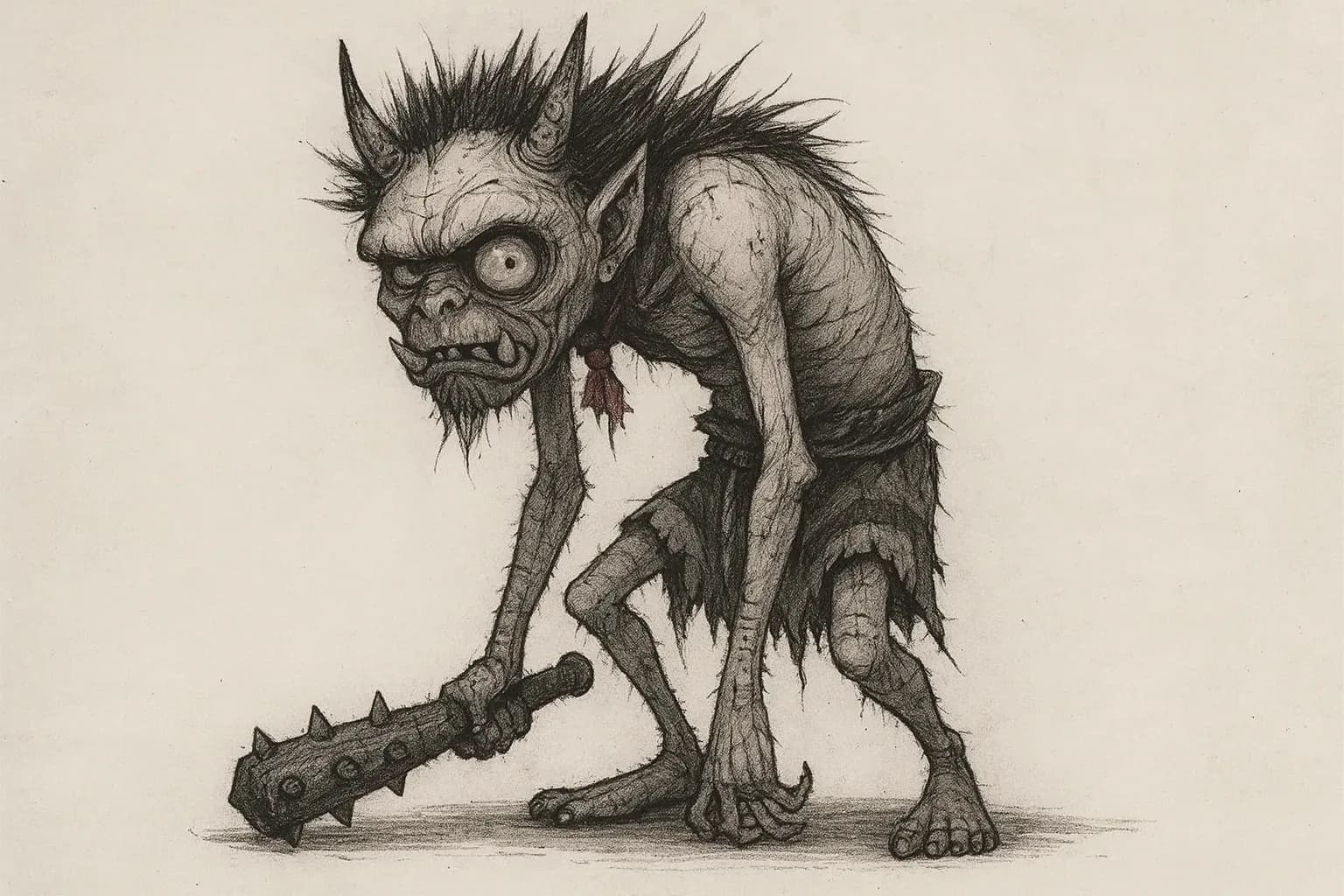
The classic oni is a towering, powerfully built humanoid, often taller and broader than any person, with skin commonly depicted in vivid red or blue (and less often yellow, green, or black). It has one or two sharp horns growing from its head, wild hair, a wide mouth bristling with tusk-like fangs, and glaring eyes. Oni are typically shown wearing little more than a tiger-skin loincloth and carry a signature weapon: a heavy iron club studded with spikes called a kanabo, capable of crushing anything it strikes.
This imagery is old and remarkably stable — oni have looked more or less this way in paintings and picture scrolls for centuries, which is part of why the design feels so universally "demon" to Japanese audiences even today.
Disaster, disease, and the demon gate
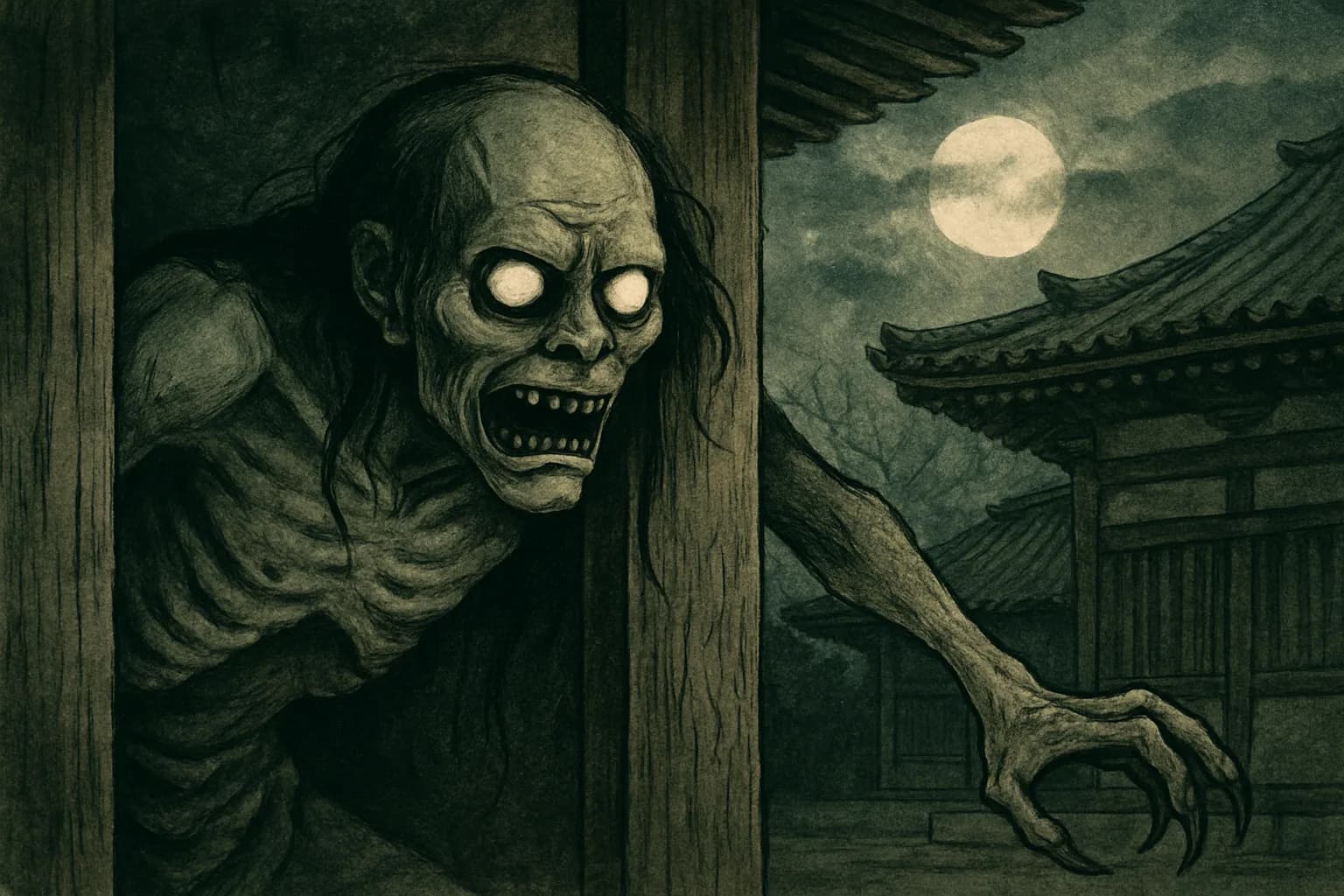
Long before oni settled into the ogre-like form most people picture now, the word may have meant an invisible force of misfortune — disease, disaster, or death itself — rather than a physical monster. One theory, from a tenth-century dictionary, links oni to on (隠), "hidden." Over centuries, especially under the influence of Buddhist and Chinese demonology, oni took on solid, monstrous bodies and became the tormentors of the underworld, wardens who punish sinners in Buddhist hell.
Oni were also bound up with directional superstition. The northeast direction was traditionally considered the kimon, or "demon gate," the point through which evil spirits were believed to enter, and much of traditional Japanese architecture and city planning — including the layout of old Kyoto — was arranged with that unlucky direction in mind.
The legend of Oeyama and Shuten-doji
The most famous oni story in Japanese legend is set on Mount Oe (Oeyama) near Kyoto, home to the fearsome oni chieftain who led a band of demons terrorizing the capital, kidnapping women and drinking blood. According to the tale, the celebrated warrior Minamoto no Yorimitsu, along with a band of loyal retainers, tricked their way into the oni's mountain stronghold disguised as traveling priests, plied the demon lord with poisoned sake, and beheaded him as he slept. Even in death, legend says, the severed head lunged at Yorimitsu's helmet before finally falling still.
The story cemented Oeyama as the archetypal oni lair in the popular imagination and established a template followed by countless later tales: oni as raiders and kidnappers, defeated not by brute strength alone but by cunning, courage, and a well-aimed blade.
Driving out the oni: Setsubun
Nowhere is the oni's grip on everyday Japanese life clearer than in Setsubun, the traditional festival marking the turn of the seasons in early February. Families across Japan still perform mamemaki, throwing roasted soybeans out the door or at a family member wearing an oni mask, while chanting "Oni wa soto! Fuku wa uchi!" — "Demons out! Fortune in!" The ritual is meant to drive out bad luck and evil spirits for the coming year, with the oni standing in as the physical embodiment of everything a household wants to leave behind.
It is one of the rare pieces of yokai folklore that never faded into pure story — it is still acted out, literally, in homes, schools, and temples every winter.
Where the oni comes from
Many scholars trace the oni from a feared word for calamity to a concrete demon-body. Native Japanese belief blended with imported Buddhist cosmology, in which oni serve as tormentors of the damned. The ox horns and tiger-skin are usually explained by the kimon, the unlucky northeast, whose old name is ushitora, "ox-tiger." Later, oni absorbed local anxieties about bandits, famine, plague, and outsiders, giving the abstract idea of "disaster" a face fierce enough to actually fight, negotiate with, or ritually expel.
Oni in Japan today
Few yokai are as woven into ordinary Japanese life as the oni. Beyond Setsubun's bean-throwing, oni appear in place names, festival floats, temple guardian statues, and the classic folk tale of Momotaro, the Peach Boy who sails to an island of oni to defeat them and recover their stolen treasure — a story still read to nearly every Japanese child. The phrase oni ni kanabo ("giving a club to an oni") is a common idiom for making an already strong person even stronger, a small daily echo of the demon's ancient reputation for overwhelming force.
From a nameless word for misfortune to Japan's most recognizable demon, the oni has spent over a thousand years being feared, fought, and — once a year, with a handful of soybeans — cheerfully thrown back out the door.