The most looked-up yokai of 2026 is the kitsune, the Japanese fox spirit. It is also No. 1 over all eleven years we can count. In Japan, the No. 1 is Yamata-no-Orochi, a serpent first written down in 712.
We counted Wikipedia reads for each yokai, in every language. From January to October 2026, the kitsune's pages were read about 683,000 times. Since 2015, about 16 million times.
"2026" is January to October 2026. "All time" is July 2015 to October 2026. The right column shows the all-time rank and how far each yokai moved this year. Tap "Why?" for the biggest climbers. How we counted is at the end.
| 2026 | Yokai | All time |
|---|---|---|
| 1 |  Kitsune | 1 · same |
| 2 |  Oni | 2 · same |
| 3 |  Kappa | 4 · up 1 |
| 4 |  Kuchisake-onna | 5 · up 1 |
| 5 |  Tengu | 3 · down 2 |
| 6 | 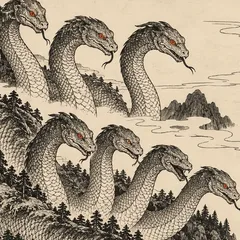 Yamata-no-Orochi | 6 · same |
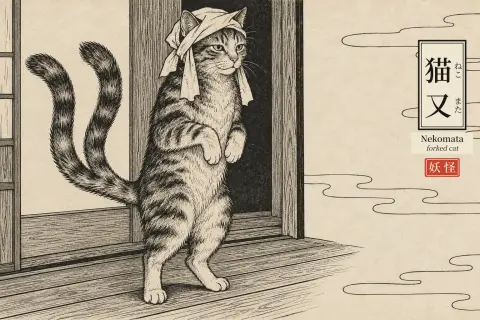
| 7 | 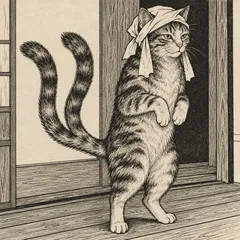 Nekomata | 12 · up 5 · Why? |
| 8 |  Yuki-onna | 10 · up 2 |
| 9 |  Tamamo-no-Mae | 9 · same |
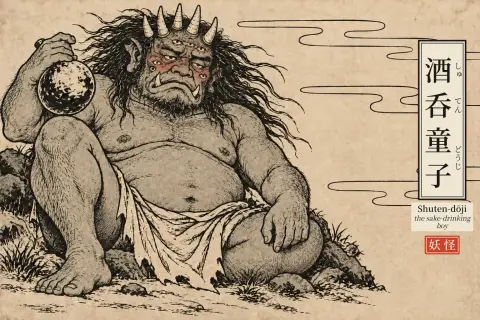
| 10 | 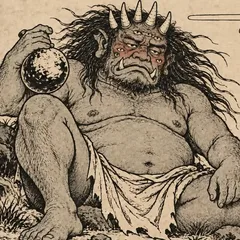 Shuten-doji | 8 · down 2 |
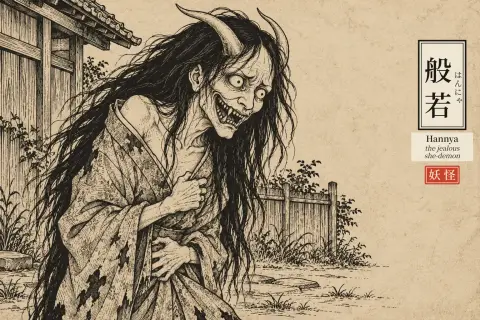
| 11 | 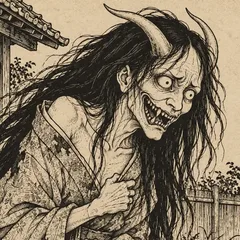 Hannya | 13 · up 2 |
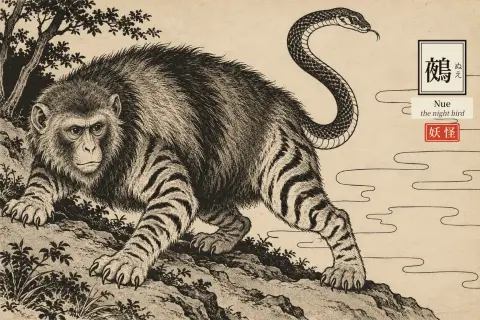
| 12 | 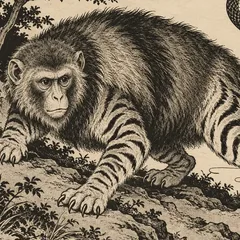 Nue | 11 · down 1 |
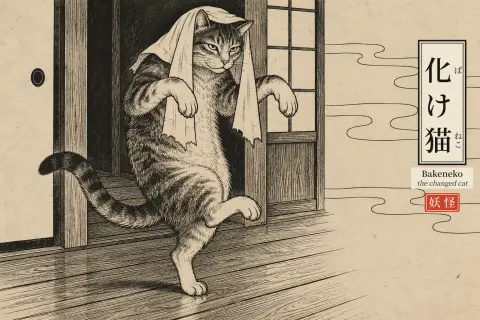
| 13 | 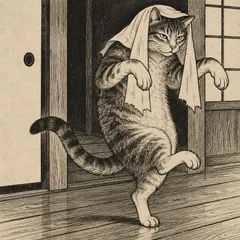 Bakeneko | 14 · up 1 |
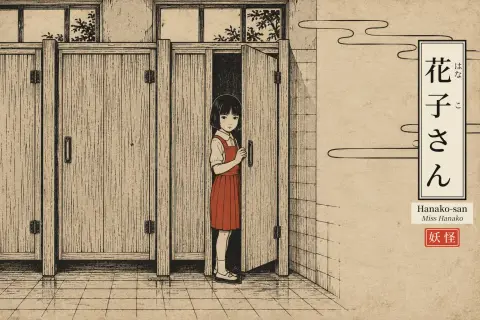
| 14 |  Hanako-san | 15 · up 1 |
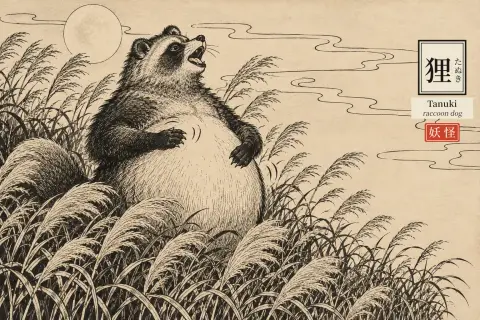
| 15 |  Bake-danuki | 20 · up 5 · Why? |
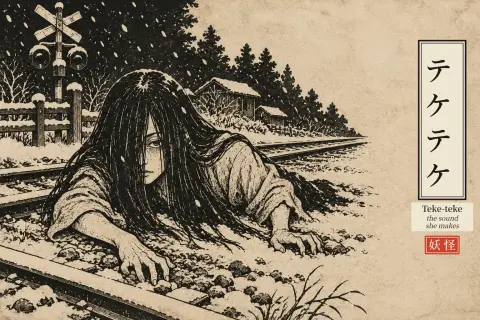
| 16 |  Teke-teke | 16 · same |
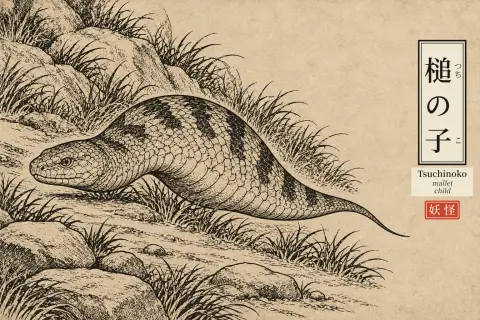
| 17 |  Tsuchinoko | 17 · same |
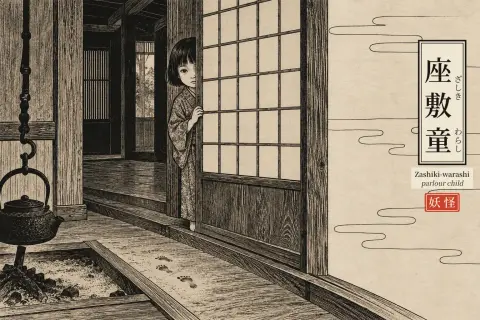
| 18 |  Zashiki-warashi | 19 · up 1 |
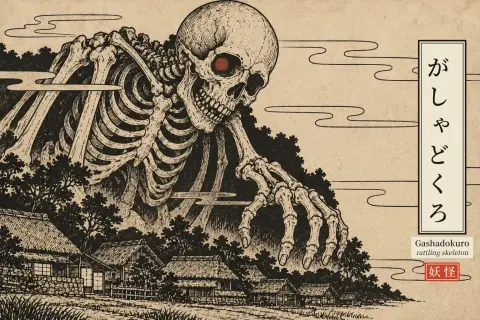
| 19 |  Gashadokuro | 23 · up 4 |
| 20 |  Hasshaku-sama | 41 · up 21 · Why? |
The same top six, for eleven years
Kitsune, oni, kappa, Kuchisake-onna, tengu and Yamata-no-Orochi. The same six yokai hold the top six places in 2026 and over all eleven years. Only their order moves a little.
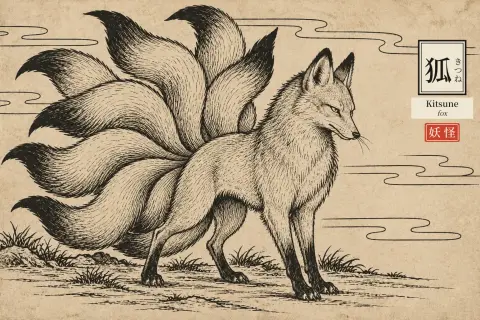
The kitsune is a fox that gains tails and power with age. Its page exists in 47 languages, more than any other yokai. If you watch anime, you have met one: the Nine-Tails in Naruto is drawn from the kitsune.
In Japan, the fox is only 42nd. But Japanese Wikipedia splits the fox spirit over several pages. The page we counted had about 22,000 reads in 2026. The page on the nine-tailed fox had about 79,000. The page on fox spirits, yōko, had about 37,000. Added together, the fox would pass Yamata-no-Orochi. We did not add up split pages for any yokai, so the Japan ranks are a rough guide.
Japan's No. 1 is 1,300 years old
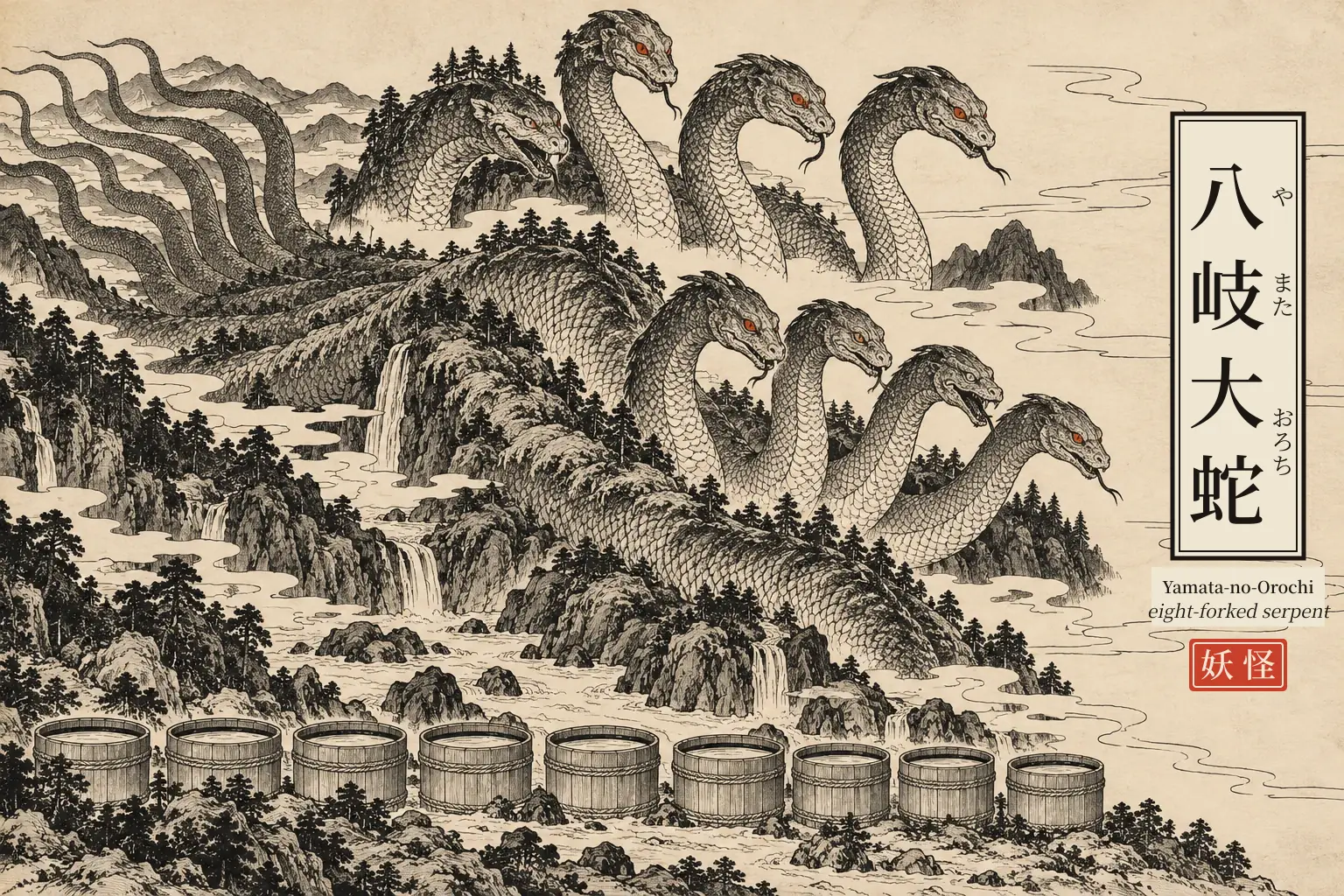
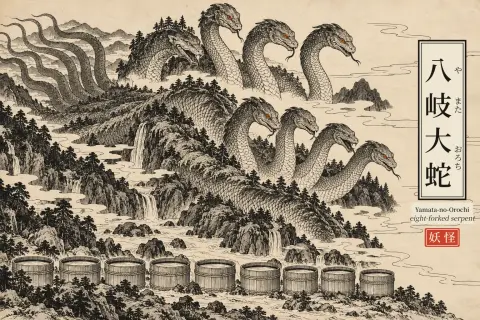
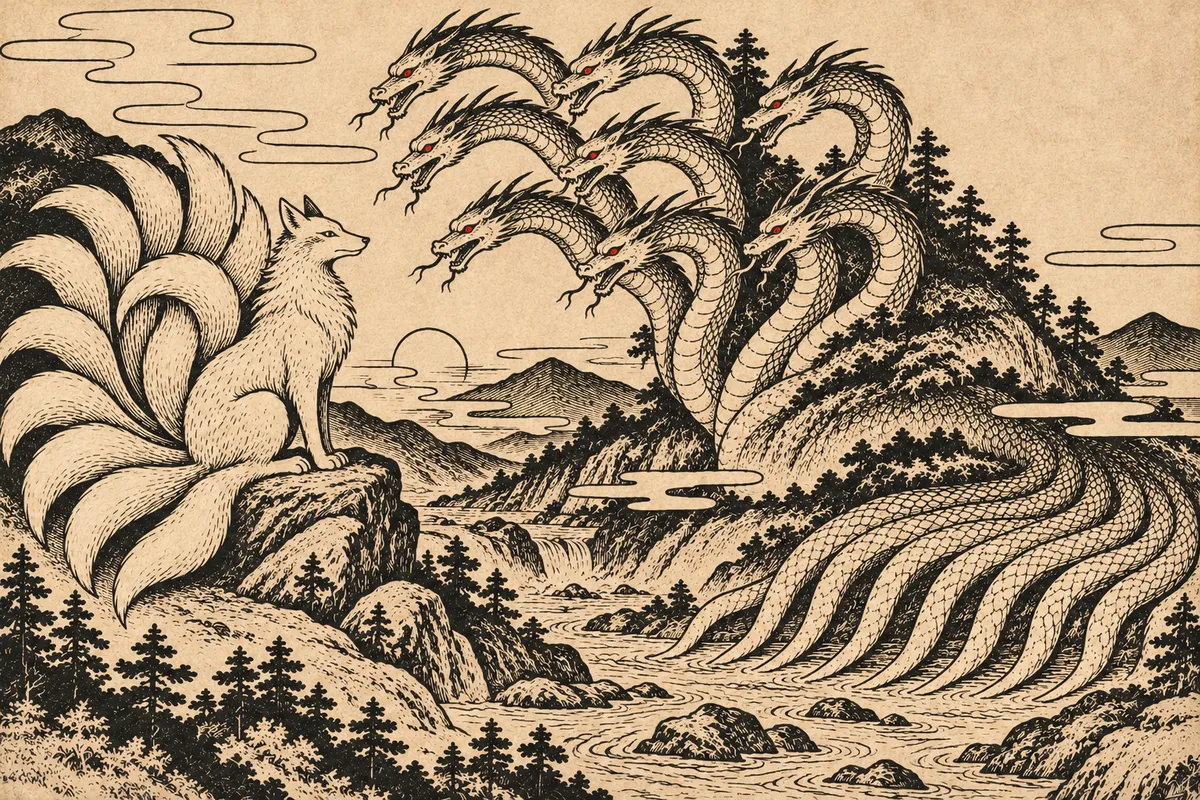
Our illustration, not a photo.
Yamata-no-Orochi is an eight-headed serpent. It appears in the Kojiki (712), one of Japan's two oldest histories. A god got it drunk on sake and cut it down. In 2026 it is No. 1 in Japan and No. 6 in the world.
Japan's top ten in 2026. The right column is the world rank.
| Japan | Yokai | World |
|---|---|---|
| 1 | Yamata-no-Orochi | 6 |
| 2 | Shuten-doji | 10 |
| 3 | Tamamo-no-Mae | 9 |
| 4 | Nue | 12 |
| 5 | Hasshaku-sama | 20 |
| 6 |  Kiyohime | 25 |
| 7 | Oni | 2 |
| 8 | Tengu | 5 |
| 9 | Kappa | 3 |
| 10 | Tsuchinoko | 17 |
Shuten-doji is the sake-loving oni king of Mt. Ōe. Tamamo-no-Mae is a nine-tailed fox who hid as a court lady. The Nue is a night beast with a monkey's face. Kiyohime is the woman who became a serpent.
The world list adds up every language. So a yokai with pages in many languages has more places to be read. Shuten-doji is No. 2 in Japan but has pages in only 9 languages. It sits 10th in the world.
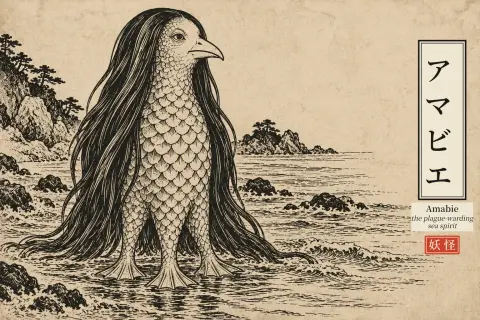
Amabie: No. 7 of all time, No. 36 in 2026
Amabie is the biggest drop. In 1846, a scaled, three-legged sea creature rose off Kumamoto. It foretold disease and said: copy my picture.
In 2020, during the pandemic, people did. Over the eleven years, its pages were read about 5.2 million times. About 4.5 million of those reads were in Japanese. From January to October 2026, it was read about 79,000 times.
Rising in 2026, and why
- Nekomata, the cat with a split tail: No. 12 of all time, No. 7 in 2026 (up 5)
- Bake-danuki, the shapeshifting raccoon dog: No. 20 of all time, No. 15 in 2026 (up 5)
- Hasshaku-sama, the eight-foot woman: No. 41 of all time, No. 20 in 2026 (up 21)
- Jorogumo, the spider bride: No. 32 of all time, No. 22 in 2026 (up 10)
- Umibozu, the sea spirit that sinks ships: No. 33 of all time, No. 23 in 2026 (up 10)
For three of them, we found the moment they jumped.
The nekomata got a video game. On 25 June 2026, Call of Duty: Black Ops 7 released a new zombies map, Kowakujō. In it, players find a cat named Nekomata. Over the next two days, the English page on the nekomata was read about 47,000 times. On a normal day, it gets 300 to 450 reads.
Hasshaku-sama got two things at once. First, English Wikipedia had no page on her until April 2026. Students wrote one as a class project. By October 2026 it was read over 12,000 times a month. Then, around 30 July 2026, a Japanese horror game about her came out on Steam. Her Japanese page more than doubled, to about 18,000 reads in August.
The raccoon dog got its own page. Until 26 October 2019, English Wikipedia had no separate page on the shapeshifting tanuki. Its story sat inside the page on the real animal. Four years of reads are missing from its all-time count, so 2026 looks like a jump.
Slow risers: the spider bride and the sea monk
Here is a surprise. The jorogumo and umibozu were read less in 2026 than in 2025. They climb only against the eleven-year total. That means they were little known in 2015, and are much better known now. In English, the umibozu was read 40,000 to 70,000 times a year before 2020. In 2023, it was read 176,000 times.
Our guess, not a checked fact: anime and games have used these two more and more over the last ten years. We could not find one title behind it.
Our guess: fewer people open Wikipedia now
One more pattern. We compared English reads in 2023 and 2025 for 87 yokai pages. Three in four were read less, and the total fell by a fifth. Even the kitsune fell, from about 836,000 reads to 567,000.
This is our guess, not a checked fact. More people now ask an AI chatbot, and get the answer without opening Wikipedia. So the ranks in this list are fairer to compare than the raw numbers.
Loved more outside Japan
Among the world's top 21, four yokai are read far more abroad than at home in 2026:
- Bakeneko, the cat that walks on two legs: No. 13 in the world, No. 35 in Japan
- Bake-danuki, the shapeshifting raccoon dog: No. 15 in the world, No. 45 in Japan
- Teke-teke, the ghost cut in two by a train: No. 16 in the world, No. 34 in Japan
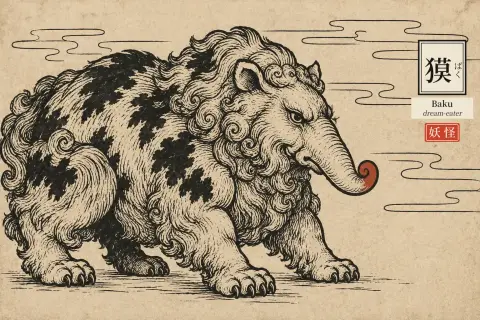
- Baku, the beast that eats bad dreams: No. 21 in the world, No. 37 in Japan
Not in the ranking: places, rituals and lights
We ranked beings, not places or events. So we left out twelve entries. Some would have done well.
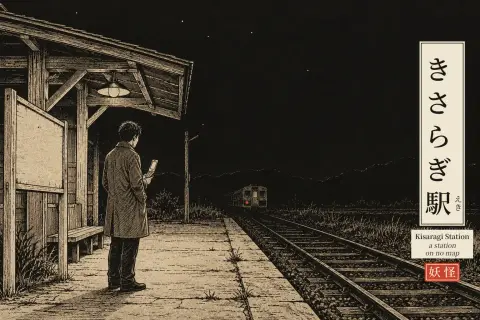
Kisaragi Station would be No. 1 in Japan. It is a station from a forum story of January 2004, and it is not on any map. One day, 12 August 2026, alone brought about 35,000 Japanese reads. We could not find what drew the crowd that day.
The curse ritual Ushi no toki mairi, the spirit game Kokkuri-san and the ghost lights Onibi and Kitsunebi were also left out. So was Dōsojin, a god of the roadside.
Is "most looked up" the same as "most popular"?
Not quite. A Wikipedia read means someone wanted to know more. Maybe they met the yokai in a manga or a game. A film, a news story or a pandemic can bring a sudden wave, as Amabie shows.
So this list shows curiosity, not love. In January we will add November and December. Then we will count again every year, with the same method, and see who moved.
How we counted
124 yokai on this site have their own page on English Wikipedia. We followed each one to its pages in other languages, up to 47 of them. Each yokai counts one page per language: the one Wikidata links to it. We added up reads by people, not bots.
We left out four words for whole groups, not one yokai: onryō, yūrei, tsukumogami and obake. We also left out the twelve places, rituals, lights and gods above. That leaves 108. "In Japan" means the Japanese Wikipedia alone, ranked among the same 108.
Which one are you?
Kitsune, oni, kappa and the rest are all in our quiz. Ten everyday questions decide which yokai you would come back as. Take the quiz.