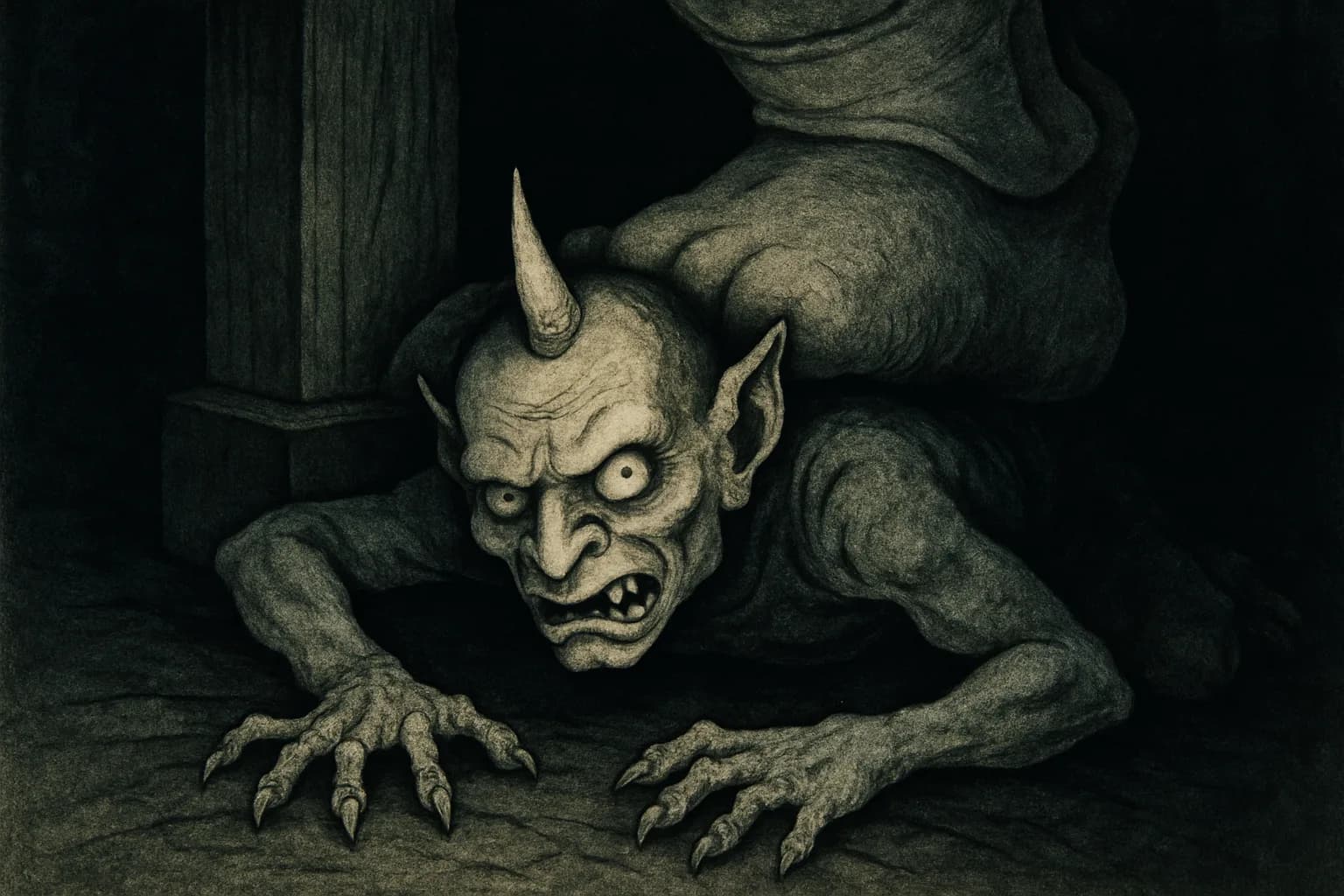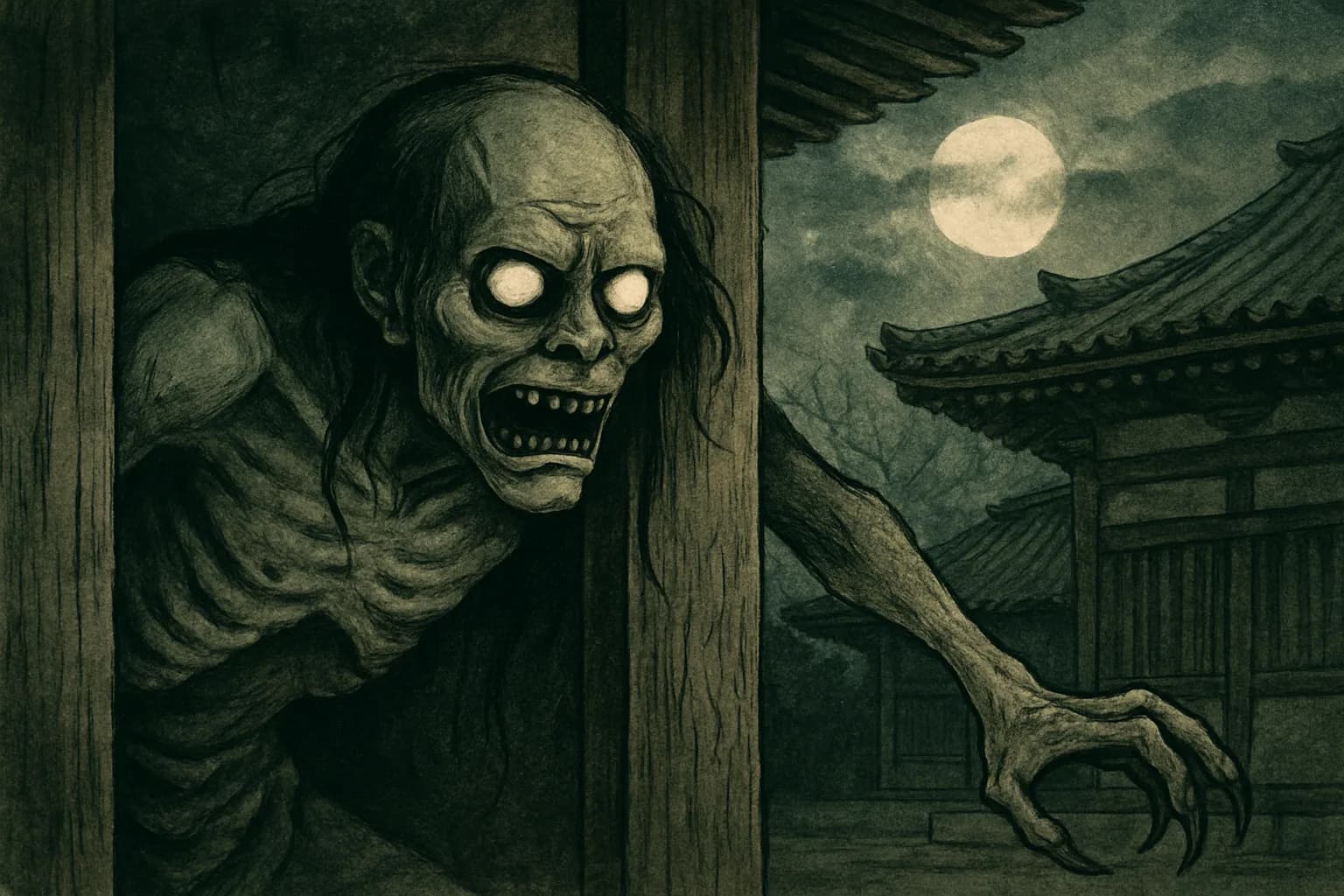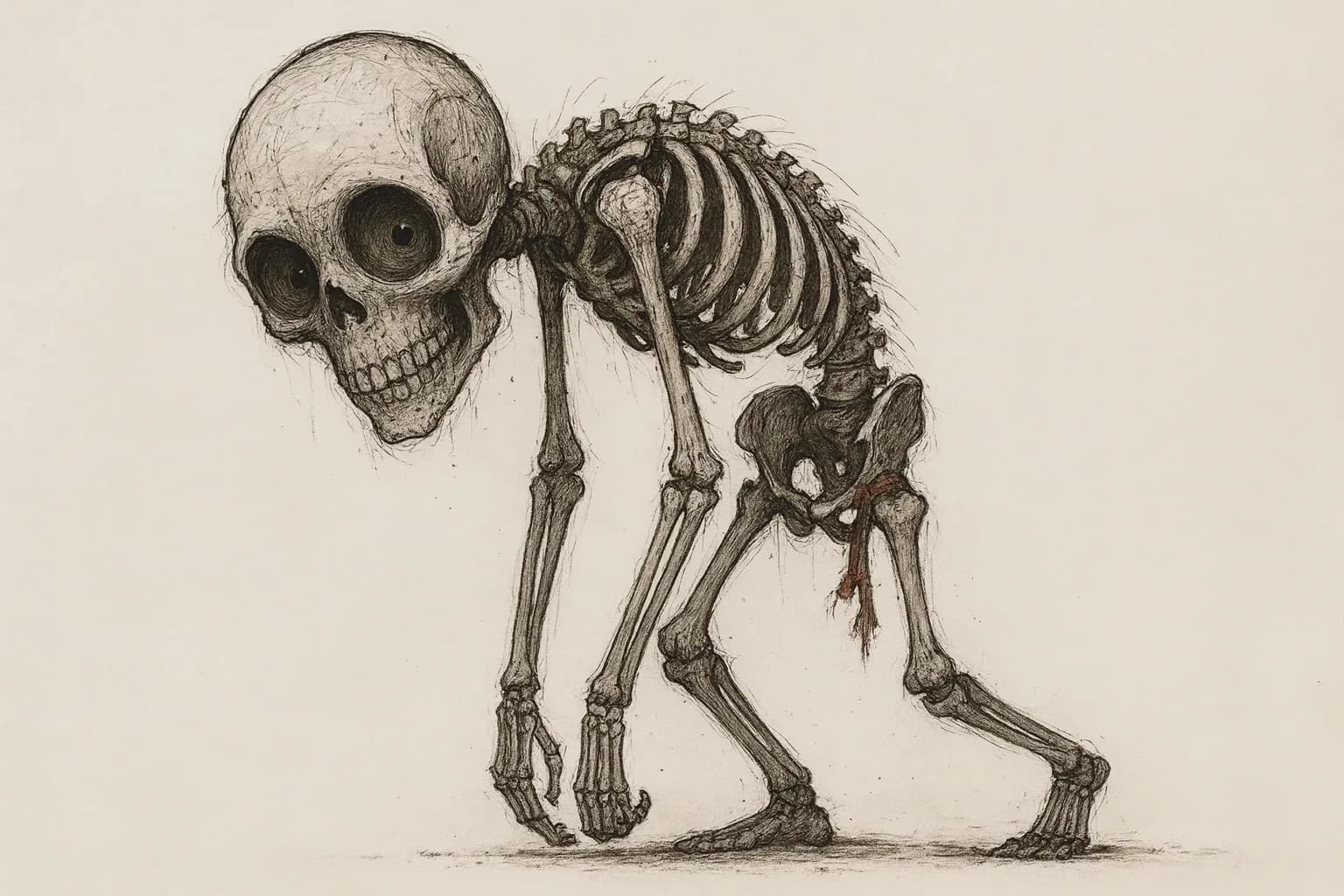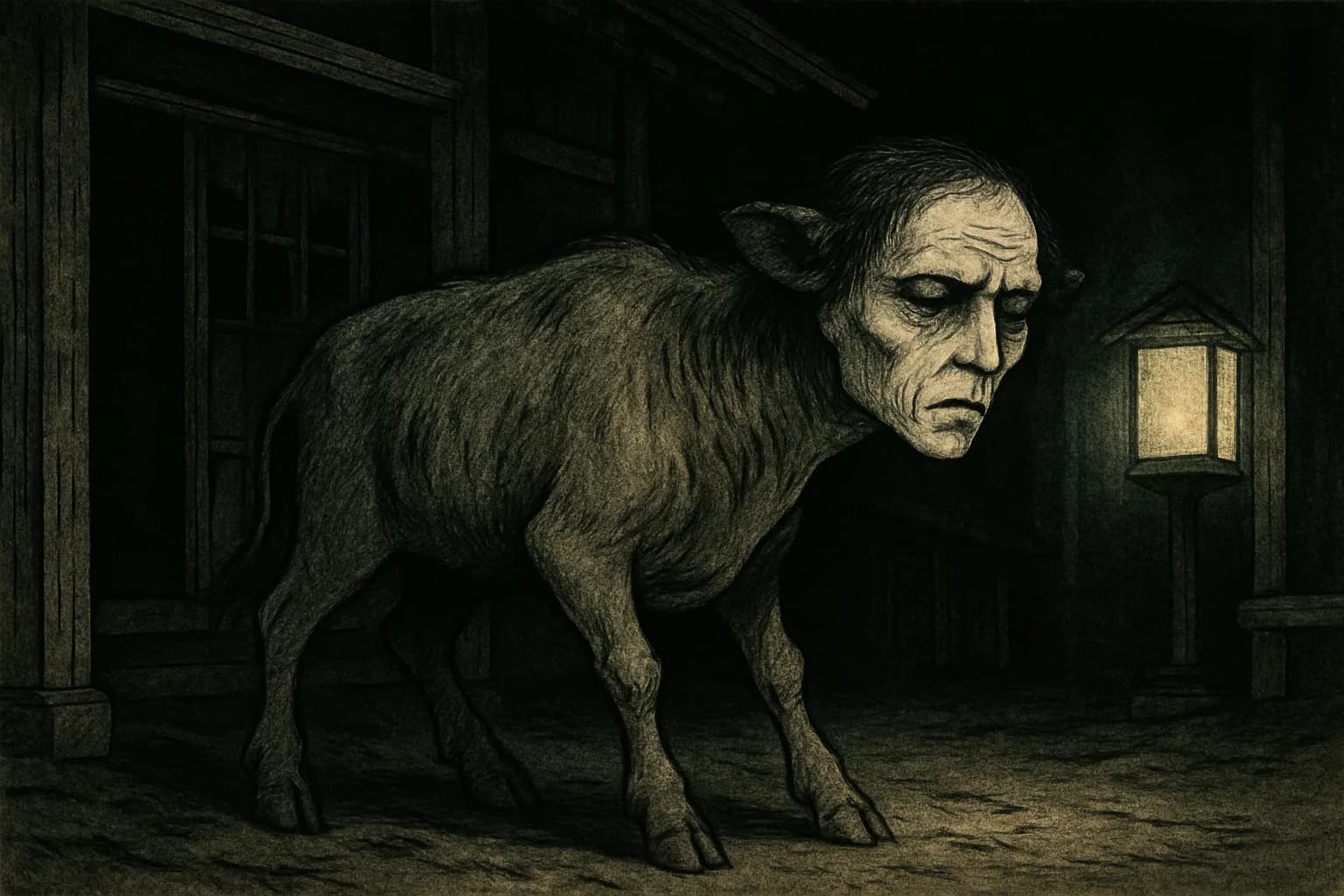
Wake from a nightmare in old Japan and there was a fixed response: sit up, and address the dark three times — "Baku, kurae," roughly "Baku, devour this." The words were addressed to a creature that, unlike most of the things Japanese folklore asks you to fear, exists purely to help. Say its name correctly after a bad dream and the baku was believed to eat the nightmare whole, leaving nothing behind for it to come true.
What does it look like?
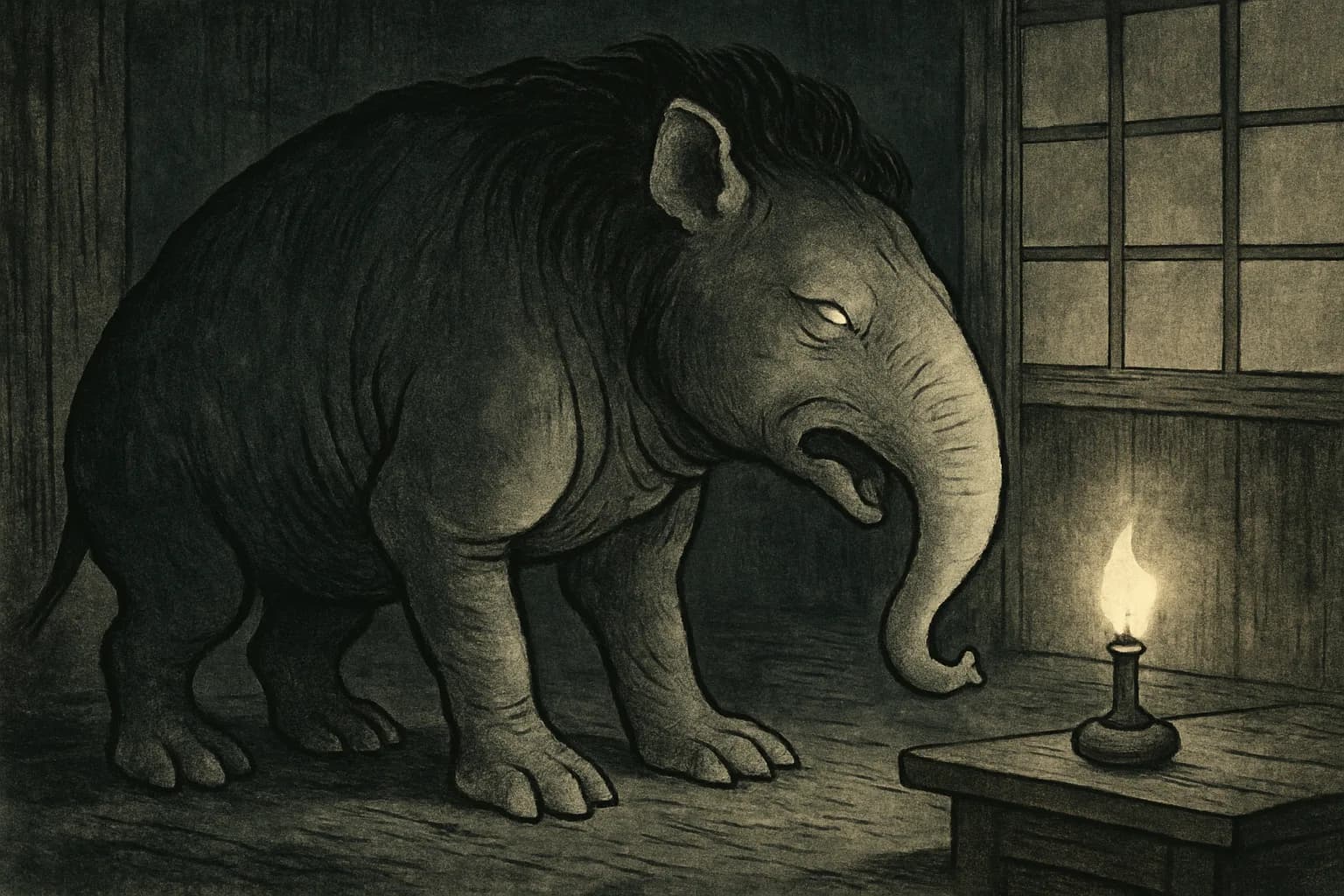
The baku is a composite animal, and the traditional list of its parts is oddly specific: the trunk and tusks of an elephant, the eyes of a rhinoceros, the tail of an ox, the paws of a tiger, and the body of a bear. No single real animal supplies the shape — it is assembled, piece by piece, the way Chinese and Japanese artists built several legendary hybrids. Toriyama Sekien's Edo-period yokai catalogues include a baku entry alongside the era's other named creatures, and the same silhouette turns up repeatedly on netsuke, the small carved toggles Edo-period men used to hang purses and pouches from their sashes — a museum-piece genre where the baku was a genuinely popular subject.
An animal before it was a monster
The baku did not start as folklore. It began in China as a real, if exaggerated, animal — one that texts describe as eating iron and copper rather than dreams, strong enough to shrug off the cold and damp that felled other creatures. Chinese scholars have long connected this original baku to the Malayan tapir, an animal with exactly the trunk-nosed, black-and-white profile the old descriptions gesture at, known to classical Chinese writers through trade contact even though tapirs never lived anywhere near China. The metal-eating, disease-resistant beast crossed into Japan as an imported curiosity, and somewhere in that crossing it picked up its second, more famous job.
The dream-eating charm
The nightmare-devouring baku is a distinctly Japanese addition, and it comes with its own etiquette. You do not simply summon a baku for entertainment — tradition holds that a baku who goes hungry too long, with no nightmares to eat, will turn on a person's hopes and good fortune instead, swallowing those as a substitute. The charm against nightmares works both ways: call it correctly and only the bad dream disappears; call it carelessly, or too often, and it might take something you wanted to keep.
The safest way to keep a baku close, without over-feeding it, was to put its picture where a nightmare would have to pass by it. Families embroidered the character 獏 or a baku's image onto pillows and pillowcases, and temple carpenters worked its likeness into the transom panels above sleeping quarters — the beast standing permanent watch over the one place nightmares actually start.
Where it comes from
Read as a whole, the baku's history is a chimera in more than shape: a Chinese natural-history animal, likely inspired by a real tapir seen or described secondhand, absorbed a separate strand of belief in dream-eating protector spirits and emerged in Japan as something closer to a household guardian than a monster. That two-stage origin — real creature first, protective spirit second — is unusual among yokai. Most begin as an explanation for something frightening; the baku began as a foreign animal and only later became a defense.
Baku today
The tapir connection runs the other direction now too: the modern Japanese word for the actual zoological tapir, baku (バク), is the same word, borrowed back from the folklore creature once the animal itself became known to Japan through zoos and natural history. Say "baku" in Japan today and most people will picture the black-and-white mammal at Ueno Zoo before they picture the nightmare-eater, even though the myth is where the word for the real animal came from.
The dream-eating premise also gave later designers an obvious template: Pokémon's Drowzee and its evolution Hypno — the psychic-type line built around hypnosis and dream-eating — are widely read as baku, though no designer statement confirms it; the reading rests on the concept, and on the fact that baku is also the ordinary Japanese word for a tapir, which is what Drowzee is shaped like. The resemblance — a creature that feeds on the sleeping mind — is close enough that Western fan communities researching the Pokédex regularly trace the line back to this exact yokai. The pillow embroidery, meanwhile, never went out of style; baku-patterned pillowcases are still sold in Japan today as a literal, wearable version of the old charm, sold with the same three words printed alongside them.