Most Japanese monsters have one clear origin story. Amanozako has a messier one. An Edo-period encyclopedia says she took shape from a god's own vomited fury. A much later, disputed scripture gives her a full court title and a son who rules the sky. The two accounts barely agree — except that she is furious, strange, and impossible to please.
What does Amanozako look like?
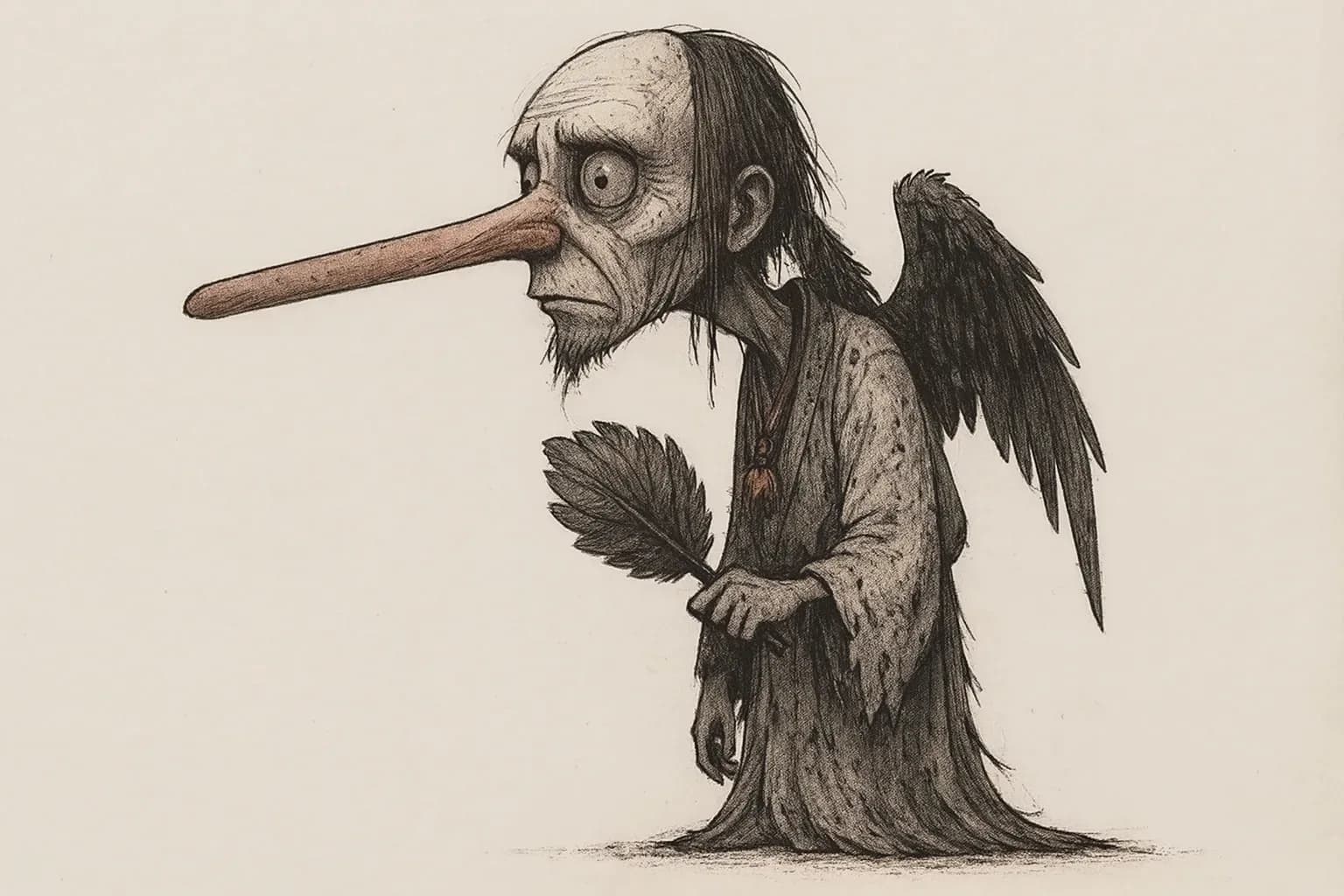
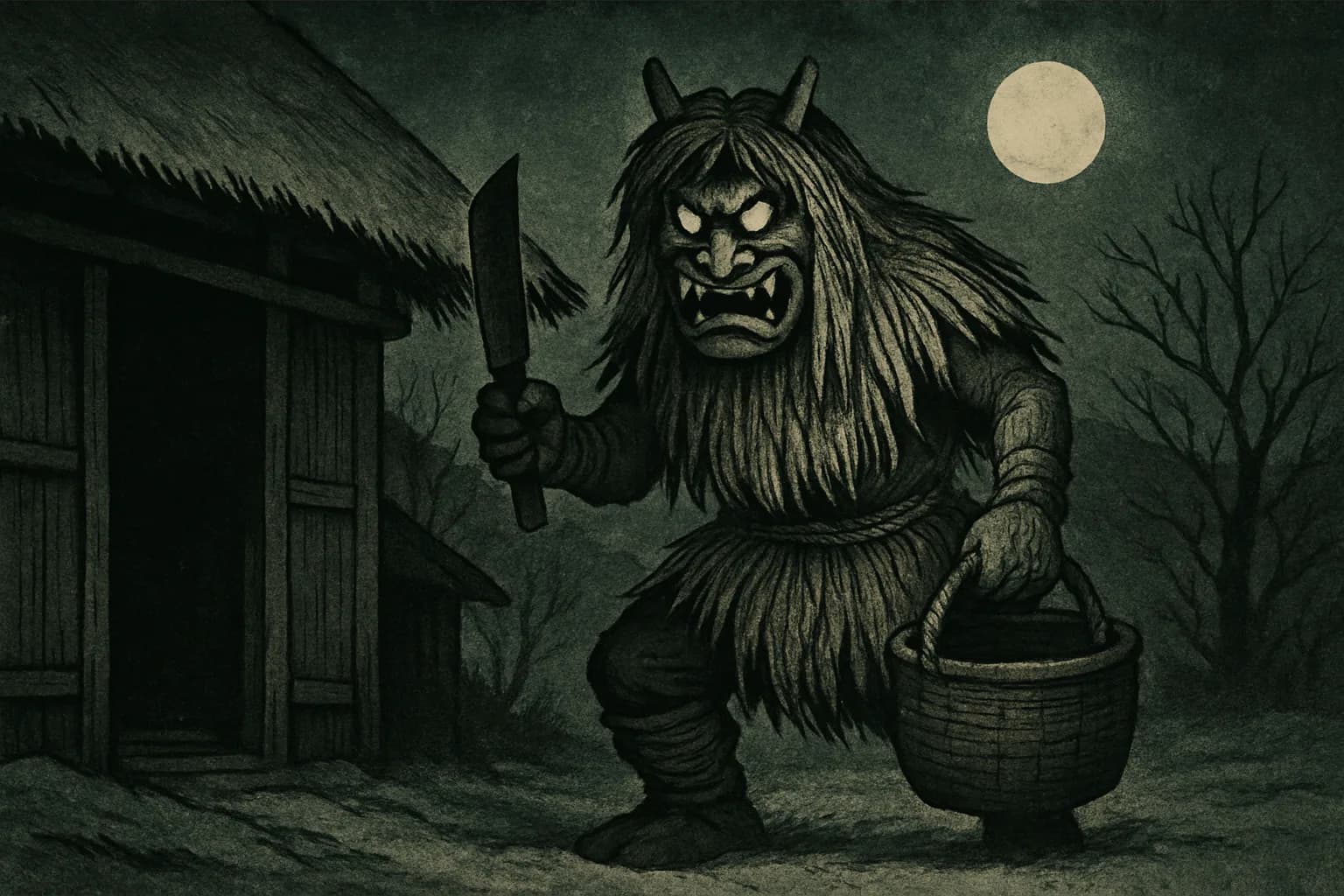
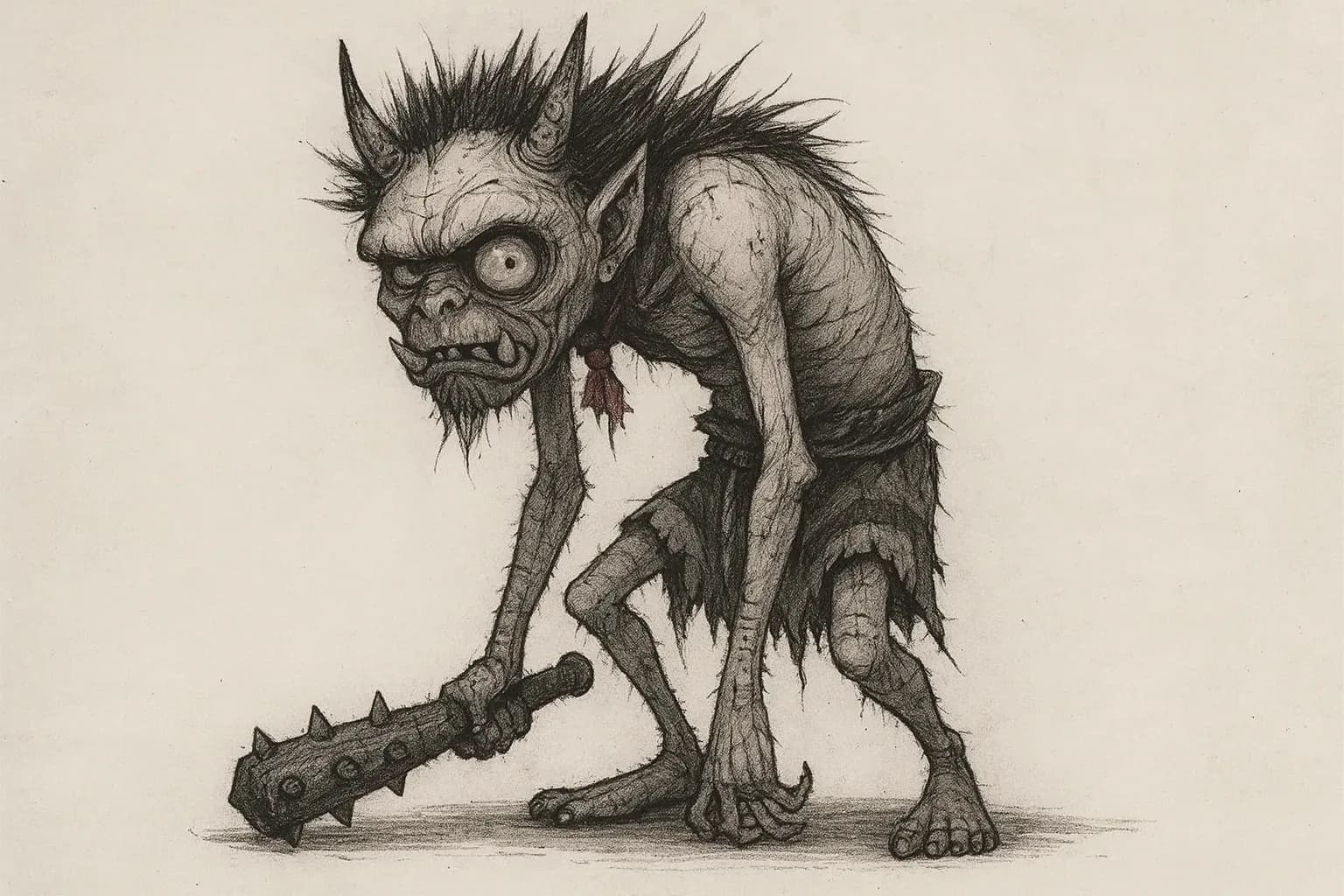
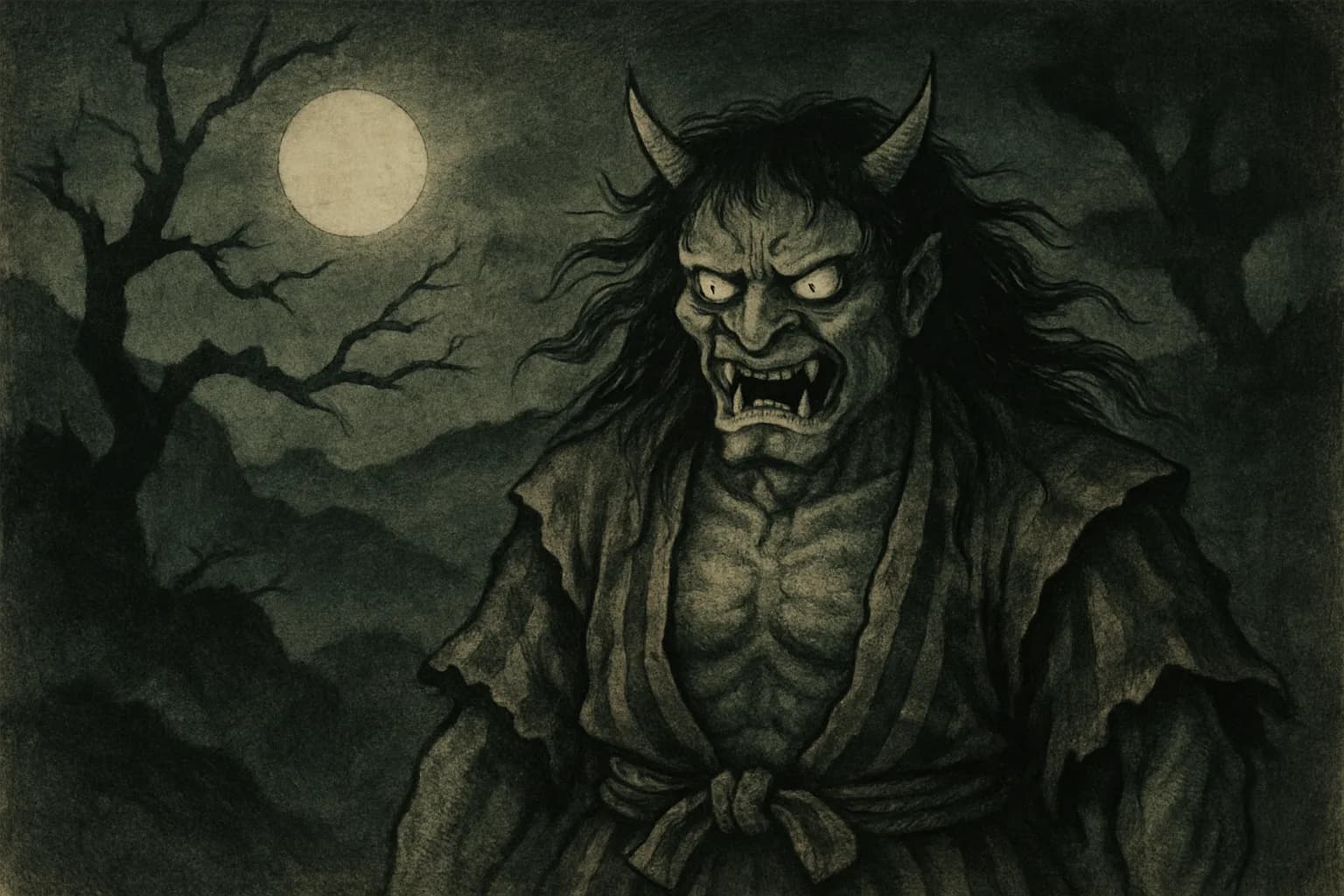
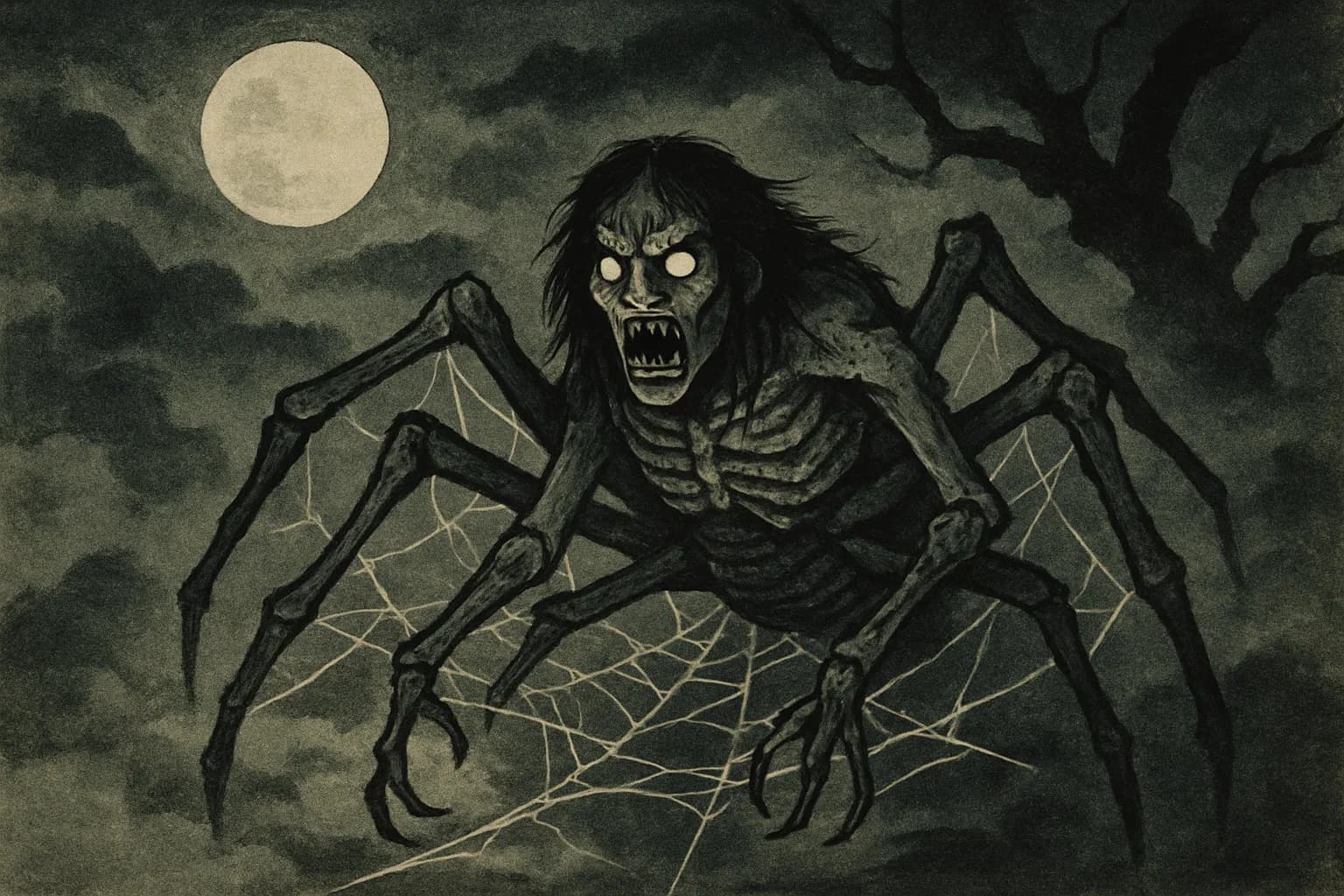
The Wakan Sansai Zue, a 1712 encyclopedia, gives the fullest picture. Her body is close to human. Her face is not. It is beast-like, with a high nose and long ears. Her fangs can bite clean through a sharpened blade. Nothing about her shape is left vague. She is drawn in specific, physical detail. That happened more than sixty years before Toriyama Sekien put her on paper.
Born from a god's fury
The Wakan Sansai Zue quotes an older, unnamed book for her origin. Susanoo, a major god of Japanese myth, built up a violent pressure inside his own body. The old text calls it mōki (猛気) — raw, aggressive energy. He spat it out. The expelled fury did not simply disperse. It held its shape, and that shape became Amanozako.
A temper that flips the world
Amanozako cannot stand to be crossed. Provoke her, and she rages hard enough to hurl even a powerful god a thousand ri away. She also shares a trait with the trickster amanojaku: she cannot leave anything as it is. She calls "before" "behind," and "left" "right," just to turn the world backward.
She bore a son on her own, without a mate: Amanosaku (天魔雄). He grew up to rule the nine heavens. Every raging, rebellious god in the old myths answered to him. Those gods slip into people's hearts, the text says, and unsettle the wise and the foolish alike.
Where it comes from
A Buddhist monk named Teinin pushed her story somewhere stranger. In his 1754 book Tengu Meigikou, Teinin called Amanozako and her son the true originators of Japan's tengu. He went further, reading the word "tengu" itself with the sound "amanozako." No other old book repeats this claim. A monk once called her the tengu's ancestor. No other book agrees.
Toriyama Sekien drew the pair anyway, in his 1779 print collection Konjaku Gazu Zoku Hyakki. His text is believed to draw directly on the Wakan Sansai Zue account.
Teinin also claimed the pair appear in the Sendai Kuji Hongi, an early Shinto chronicle. They do not — no such passage exists there. A separate, much later, and widely disputed text, the Sendai Kuji Hongi Taiseikyo, does carry a matching passage. There, the pair get fuller divine names: Amanozako-hime-no-mikoto and Amanosaku-no-mikoto.
The twentieth-century tengu scholar Chigiri Kosai rejected the ancestry claim outright. He pointed to a different, star-linked "tengu" recorded centuries before Amanozako's own story appears. That word then disappears from the record until the Heian period, he noted. Stitching the two traditions together, he argued, does not hold up.
Amanozako today
Amanozako never became a household name, unlike the tengu and the amanojaku she keeps getting linked to. She survives mainly inside yokai reference books. Mizuki Shigeru's own encyclopedia of Japanese monsters still repeats the tengu-ancestor claim. That is more than two and a half centuries after Teinin first made it. No fixed modern design exists for her. She remains exactly what the old encyclopedia left behind: a furious shape with a contested family tree. No artist has given her a new look since Sekien's.