How to read a Japanese mask
Read the face for its job. Most Japanese masks were made for a performance or a rite. Even the ones hung on a wall have a job where they hang.
Some masks play gods and holy old men. Some play demons who get chased away. Some play animal messengers of the gods. A few are clowns who make the crowd laugh.
So the first question is not "is it scary?" It is "what does this face do?"
Ten masks and what each face means
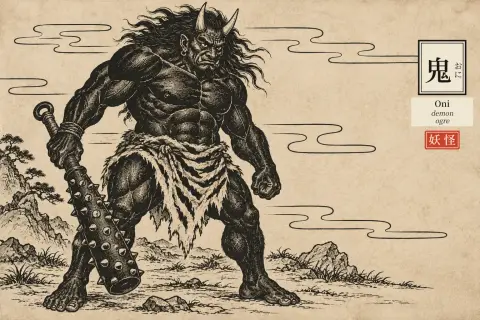
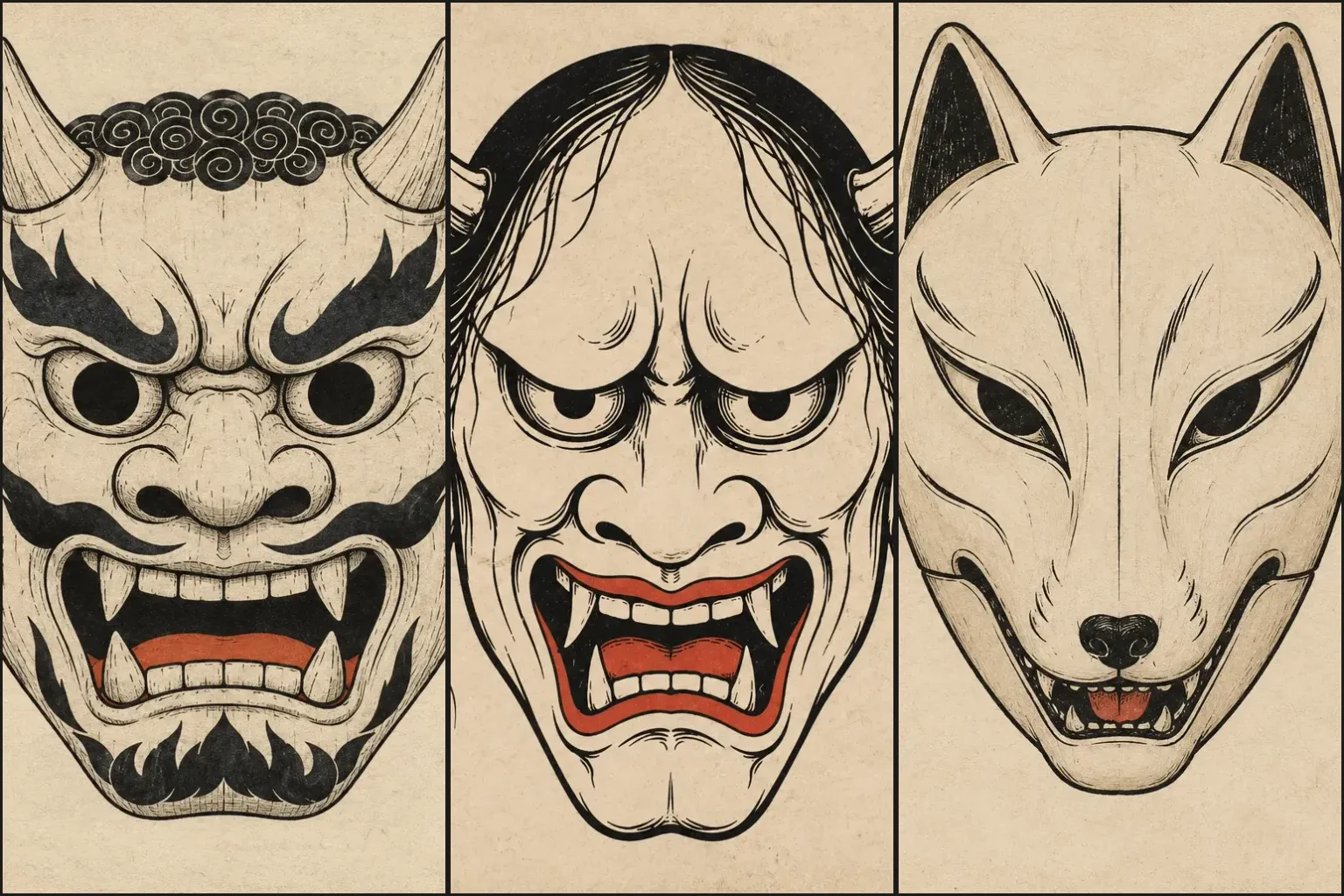
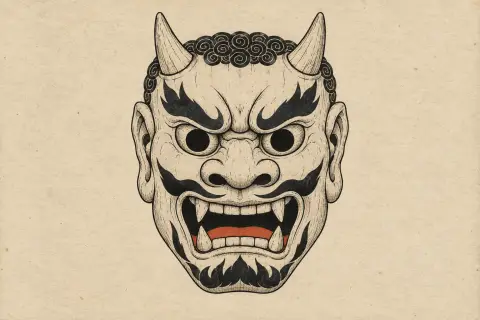 Oni (鬼). Horns, fangs and a wide, angry mouth. It is the demon that families drive out with beans at Setsubun, the start of spring. The word kimen, oni mask, is on record from 1416.
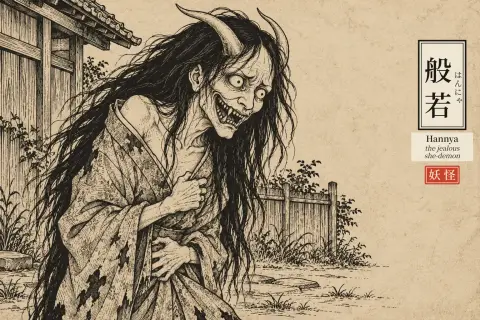
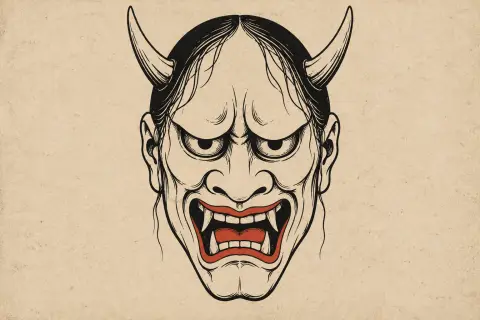 Hannya (般若). Two horns and a gaping mouth with gold teeth. In Noh, Japan's classical masked theater, it plays a woman turned into a demon by jealousy.
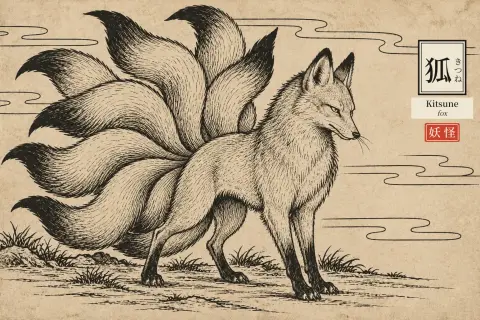
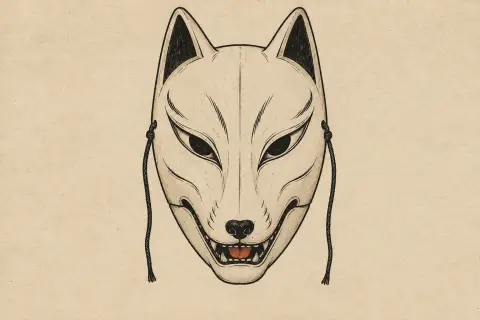 Kitsune (狐, fox). The fox is said to be the messenger of the god Inari. Fox masks were used in sacred dances to pray for a good harvest. Paper fox masks are worn by ordinary people at festivals too. In Tokyo's Ōji, about 300 people in fox masks walk to Inari's shrine every New Year's Eve, a parade begun in 1993.
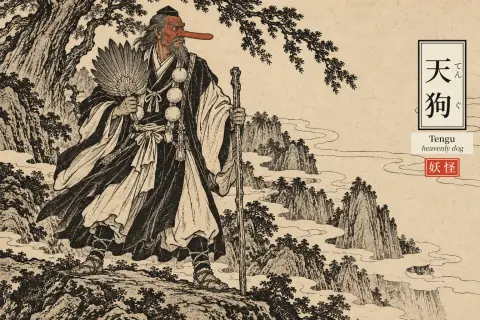
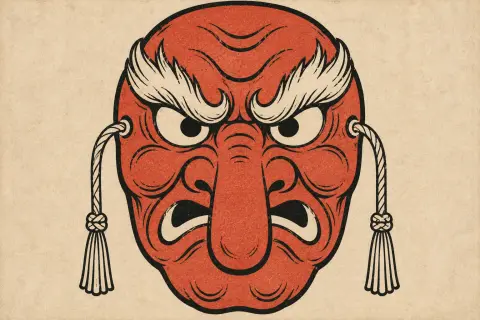 Tengu (天狗). A red face and a very long nose. At mountain temples, tengu and oni masks were the ones used most, to drive evil away. In some towns the tengu walks at the front of the festival parade.
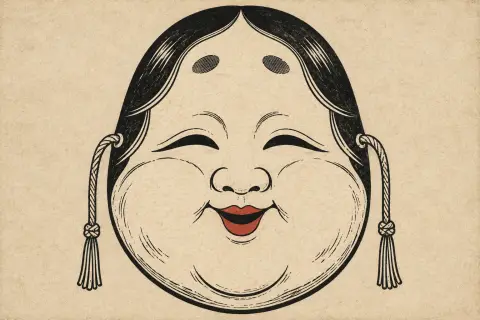 Okame (お多福, also otafuku). Round, full cheeks, a small nose and laughing eyes. In village sacred dances she is a comic middle-aged woman. Her face is hung on lucky New Year rakes.
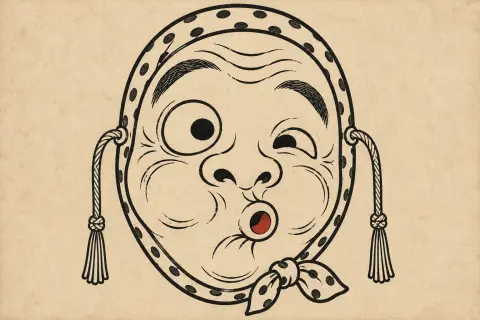 Hyottoko (ひょっとこ). A man with his mouth pushed out, as if blowing on a fire, and one eye smaller. He is the clown who dances beside okame.
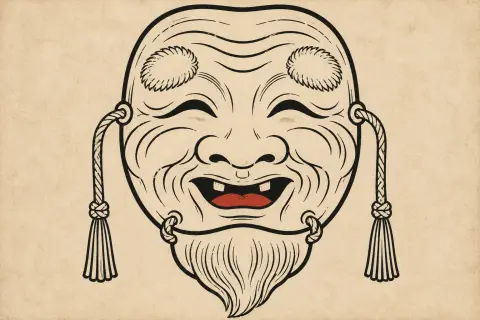 Okina (翁). A smiling old man with deep wrinkles and a separate, tied-on chin. It is the oldest type of Noh mask, and its play is treated as sacred.
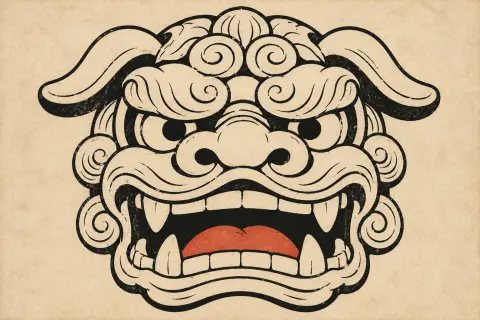 Shishi (獅子, lion). A carved wooden lion's head. It came from the mainland with the oldest masked dances, and it chases away evil.
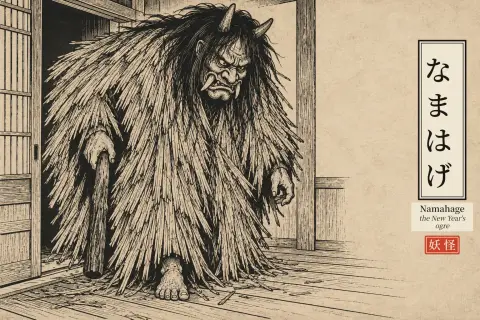
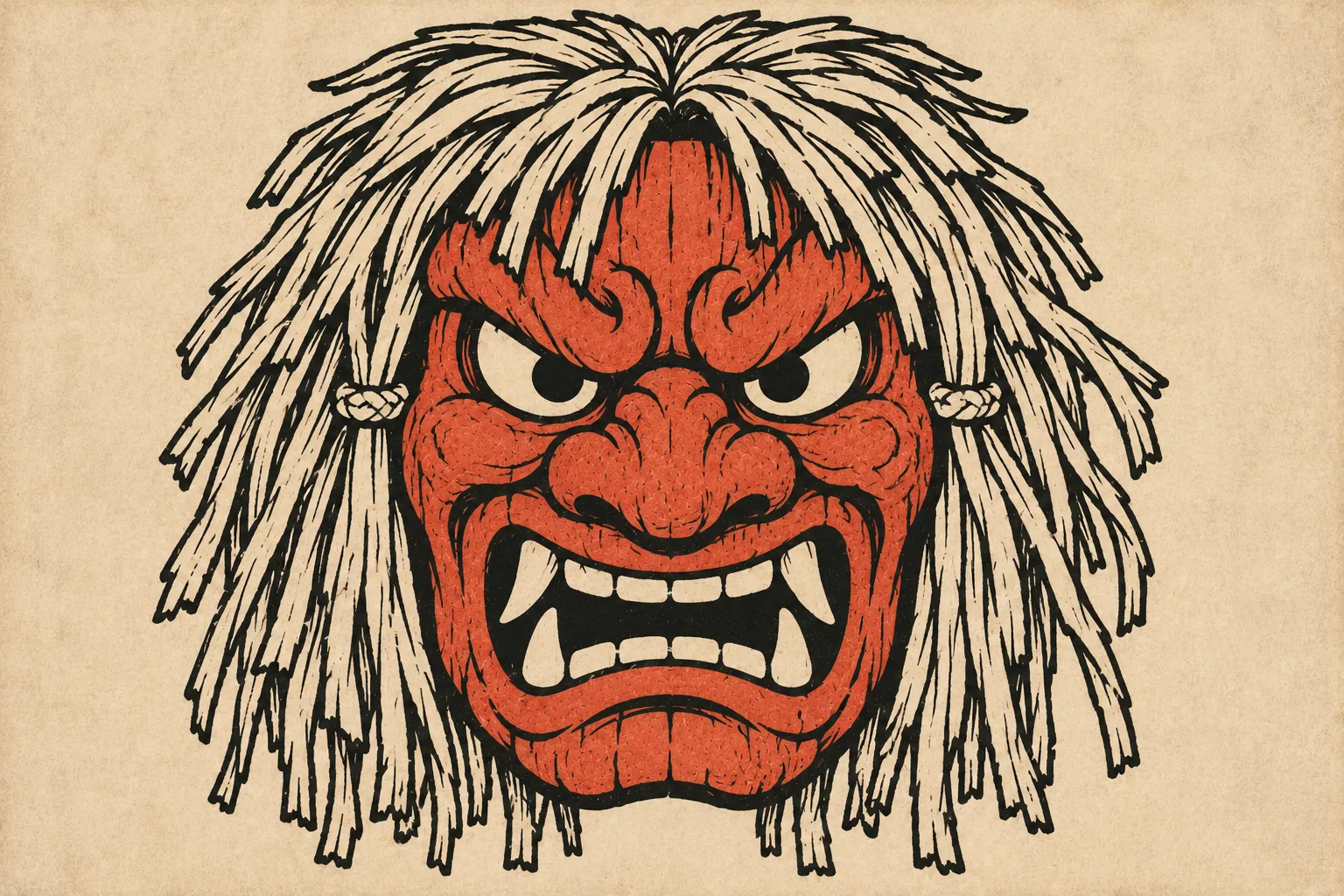 Namahage. A visiting god of Oga, in the north. Young men in oni-like masks go house to house, now mostly on New Year's Eve. The oldest known record is from 1811.
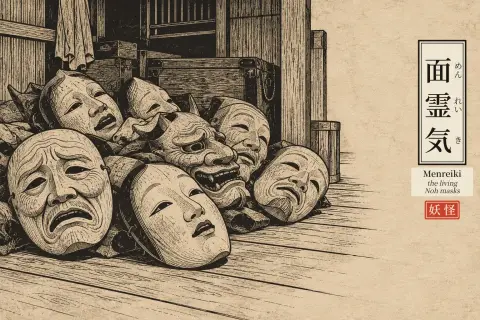
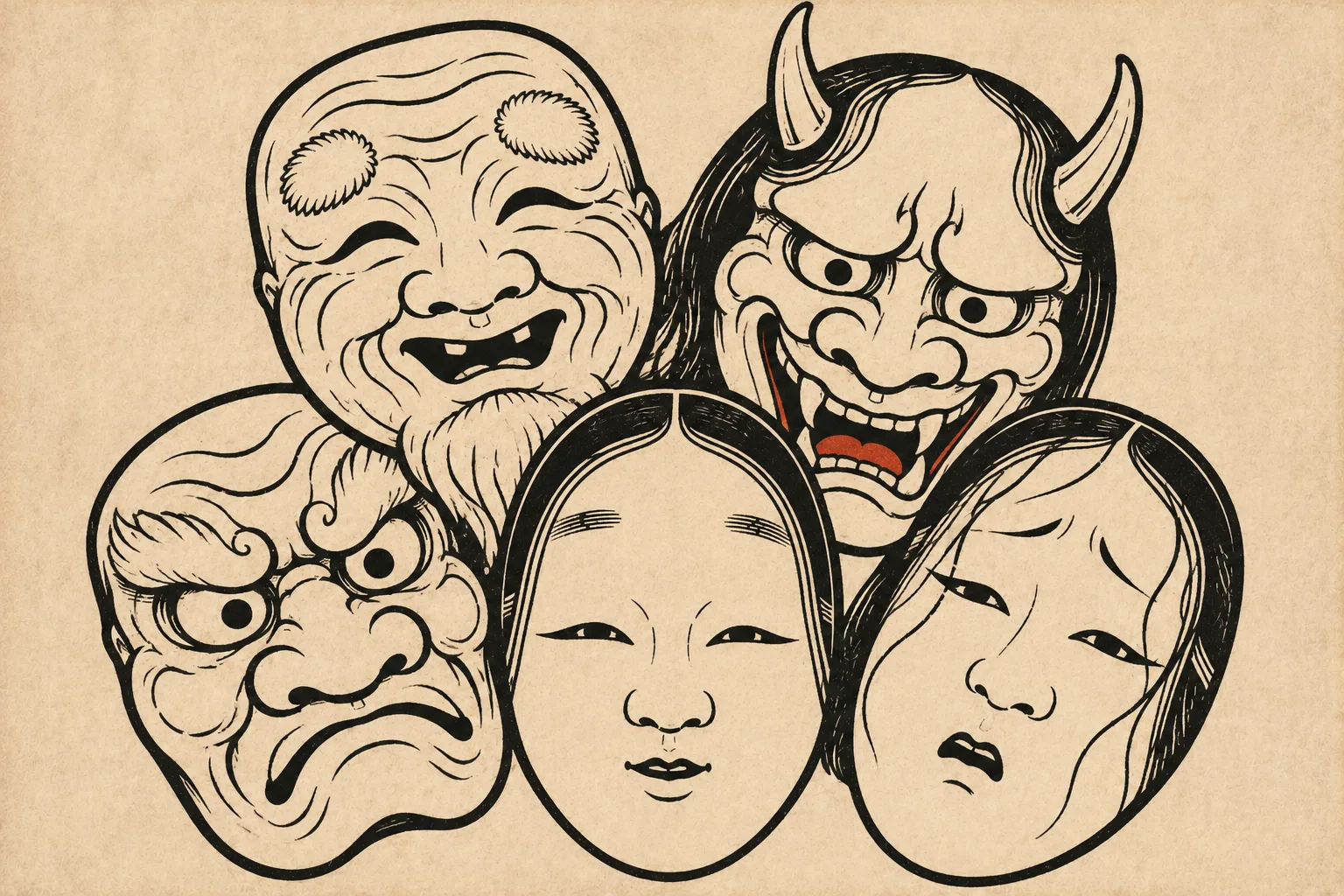 Menreiki (面霊気). Not a mask you wear, but masks that came alive. The artist Toriyama Sekien drew this heap of old masks in 1784.
Okame and hyottoko
The two funniest faces are a pair. In village kagura, the sacred dances at local shrines, okame is a comic woman who scolds near the end of the show. Hyottoko is the clown at her side.
One Japanese encyclopedia calls okame's round face "blessed-looking." Her face is hung on lucky New Year rakes.
Hyottoko's name is a sound change of hi-otoko, "fire man." The face looks like someone blowing on a fire through a bamboo tube. The earliest example in a major Japanese dictionary is a 1790 picture book.
The mask by the kitchen fire
In the northeast, a mask once hung by the kitchen fire to guard the whole house.
Clay hyottoko masks were hung above the hearth there to keep evil out. In Miyagi and southern Iwate, houses hung a "hearth god" mask on the kitchen post. Most have angry faces, set to glare at the door. Builders often made one from part of the building materials when a house or its stove was new. It guarded against fire and evil, and it asked for a thriving home.
So the same spot held a clown's face in one house and a furious one in another. Both kept evil out.
The holiest mask is smiling
The most sacred mask in Noh is not a demon. It is okina, a laughing old man.
The play Okina is a rite, not a story. Actors play gods who dance for peace and safety across the land. Dictionaries add good harvests and long life. The first sure record of the play is from 1283. The oldest okina mask with its original date written on it is from 1477.
Why an old man? The sources give two reasons. In Japanese legend, gods often appear as revered old men; in the Noh play Takasago, the god of Sumiyoshi comes on stage as one. And rites that pray for a long life seem to have long brought on an old man or an old woman.
Okina wears a white mask. His partner Sanbasō wears a nearly identical black one for a dance that celebrates fertility.
The oldest of these masks on record is a lion
Of these ten, the shishi, the lion, is the first one named as a mask in a dated record. Many other masks from those first dances survive, most from the 500s to the 700s.
Masked temple dances called gigaku reached Japan in 612, says Japan's oldest official history. A temple list from Hōryū-ji, dated 747, names "two shishi" among their gear. The oldest lion head still kept was used at the opening of the Great Buddha in Nara, in 752.
That is about 650 years before Noh masks took their present shape, in the 1400s and 1500s. Lion dances are still done today, to drive out evil and to pray for a good harvest.
Do the colors mean something?
Sometimes, but only for a set role. The sources we read give masks no fixed color code.
A hannya's color tells you which woman she is: white for a noblewoman, red for a woman who became a snake, black for a mountain demon. Okina is white and Sanbasō is black. At Rozan-ji temple in Kyoto, three oni at Setsubun stand for greed (red), anger (blue) and ignorance (black).
Outside roles like these, the dictionaries and museum records we read do not give a mask's color its own meaning.
The name
The kanji 面 means a face, and also a mask. Read men, it is the mask itself. Read omote, it is a word Noh uses for its masks.
Frequently asked questions
Are Japanese masks bad luck? Not as a rule. The tengu, the lion and the hearth masks are used to drive evil away, and okame's face is a lucky charm. Stories of haunted masks exist too, like the menreiki above.
Which mask is the scariest? For fear, the oni and the hannya. But in their own rites, both are faces you chase away or pity, not faces that hurt you.
Is the fox mask a god? No. The fox is said to be the messenger of Inari. The god itself is not a fox.
Sources
- Kotobank: 仮面, 鬼面, 天狗, おかめ, ひょっとこ, 翁, 獅子, 獅子舞
- JAANUS: gigaku, otafuku, okina, hannya
- the-noh.com: Masks, Okina, San-kijo
- Fushimi Inari Taisha: FAQ
- Hakui History and Folklore Museum: tengu mask
- Namahage Museum: The Origin of the Namahage
- Kyoto Prefecture: Rozan-ji Setsubun
- National Diet Library: Gazu Hyakki Tsurezurebukuro (1784)