Why it looks like this
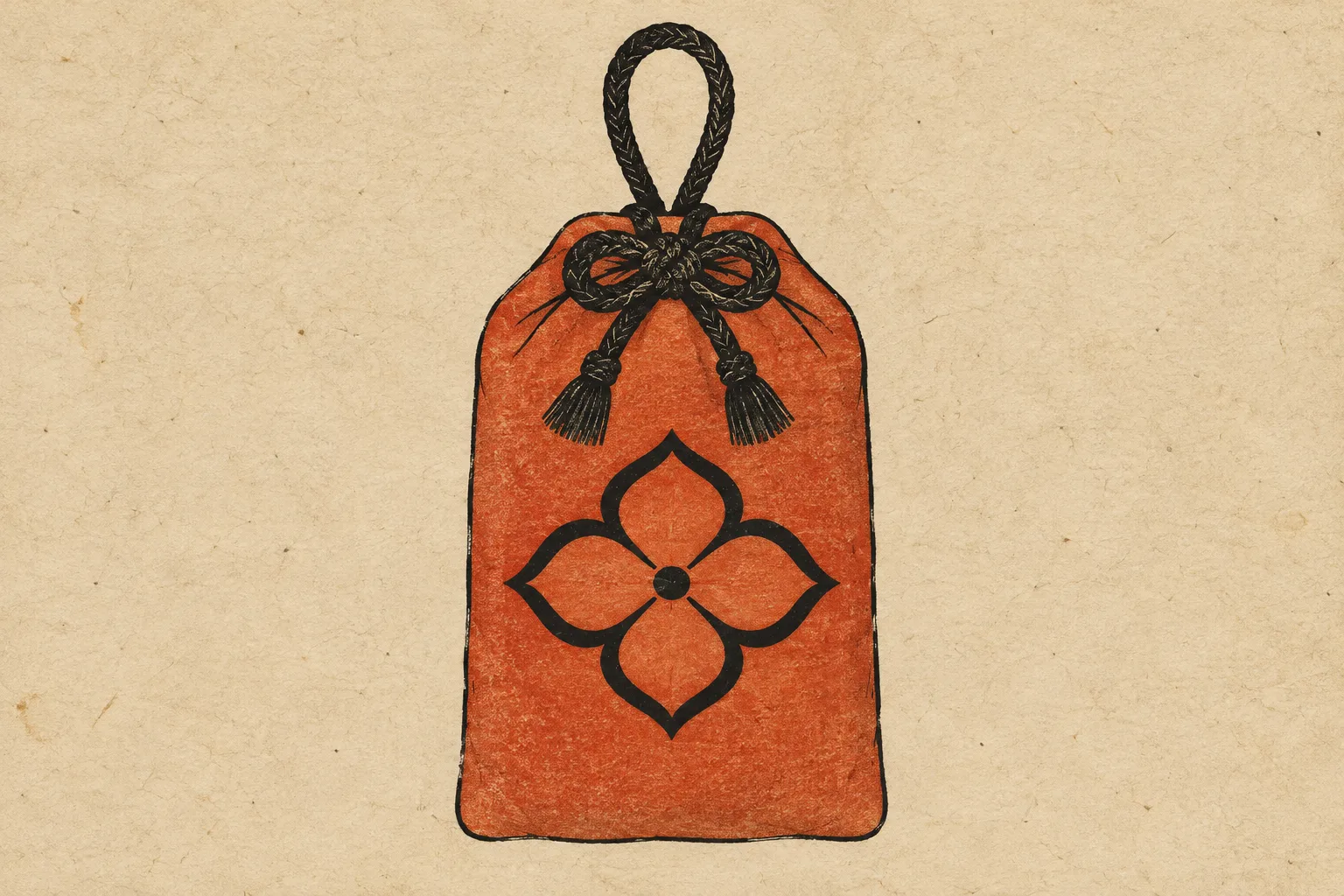
Many omamori are a small cloth bag tied with a cord. Others are flat wooden tablets, metal charms, or little bells. One Tokyo shrine, Tokyo Daijingu, gives out all of these.
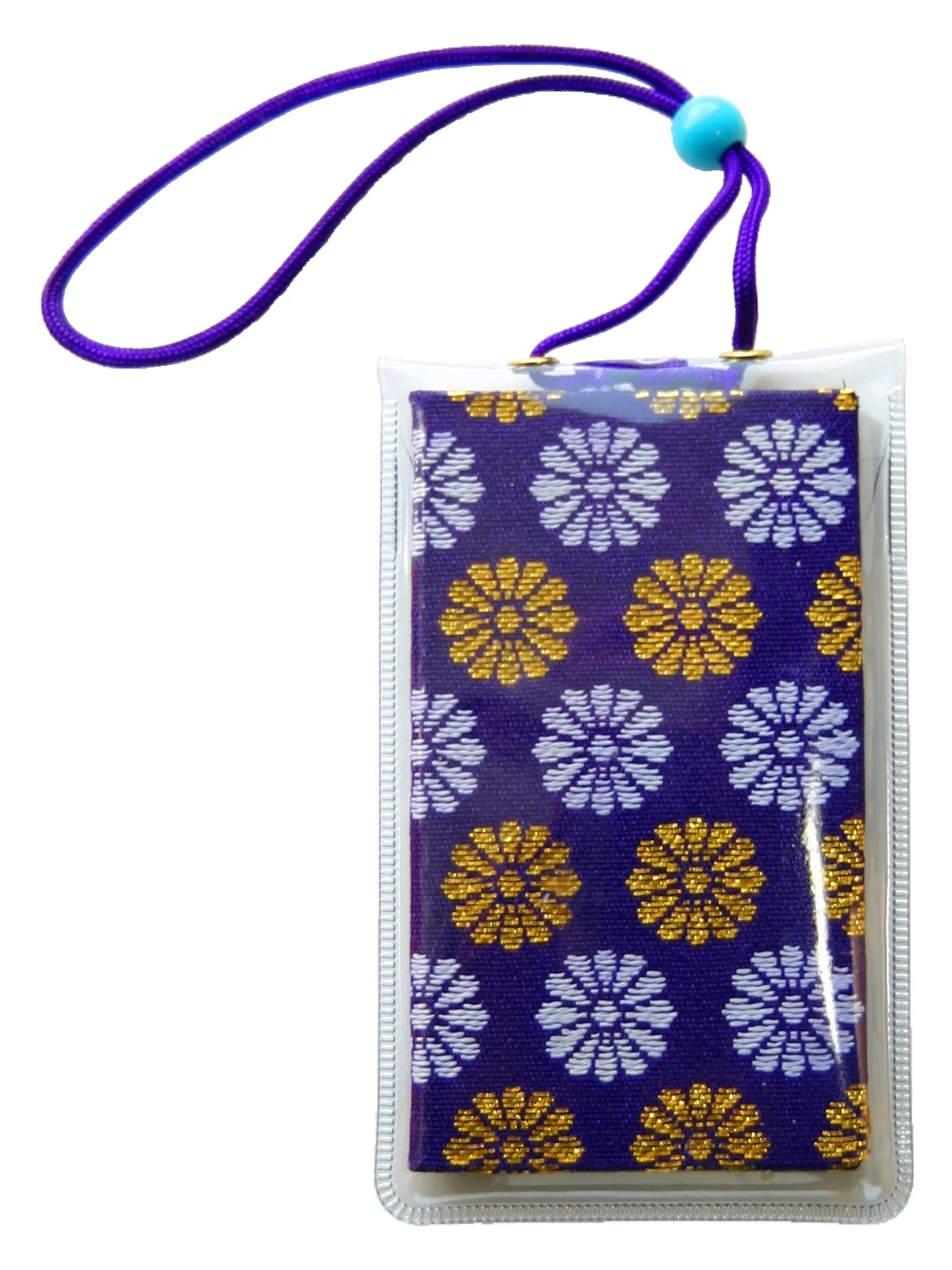 An omamori from a local shrine. Photo: Timothy Takemoto, CC BY 2.0
The bag holds the real charm: a small tablet with a deity's name. It can be wood, paper, or metal.
Why carry it? The charm stands for the deity, so you keep it on your body for protection. Yushima Tenmangu, a shrine in Tokyo, says an omamori holds a share of the spirit of its kami, or god.
Which omamori for which wish?
The words on the bag tell you the wish. Here are common kinds, each with one shrine that offers it.
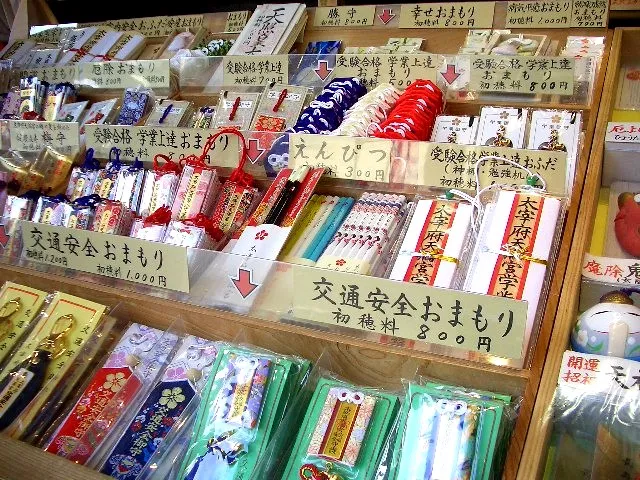 Charms at Dazaifu Tenmangu in Fukuoka. The signs name traffic safety and exam charms. The price word, 初穂料, means an offering. Photo: Kanko*, CC BY 3.0
| Wish | Words on the charm | One shrine that gives it |
|---|---|---|
| Traffic safety | 交通安全, 車体守 | Fushimi Inari, Kyoto: a car charm, and a body charm for bicycles |
| Study and exams | 学業守, 学徳守, 合格守 | Yushima Tenmangu, Tokyo (学業守); Fushimi Inari, Kyoto (学徳守, 合格守) |
| Love and good ties | 縁結び, 恋愛成就 | Tokyo Daijingu, Tokyo |
| Safe birth | 安産御守 | Suitengu, Tokyo |
| Health | 身体健全守, 病気平癒守 | Fushimi Inari, Kyoto |
| Business | 商売繁昌守 | Fushimi Inari, Kyoto |
| Bad luck and unlucky years | 厄除守 | Fushimi Inari and Suitengu |
These are examples, not a full list. Each shrine makes its own designs.
Some shrines are known for one kind of wish. Yushima Tenmangu enshrines Sugawara no Michizane as a god of learning. It also offers prayers for passing exams. He is the same Michizane told of on the Raijin page. Suitengu's safe-birth charm is a cloth belt, 5 meters long. The shrine says its bell-cord custom began in the Edo period (1603–1868). A pregnant woman got the cord of its shrine bell, and she had a safe birth.
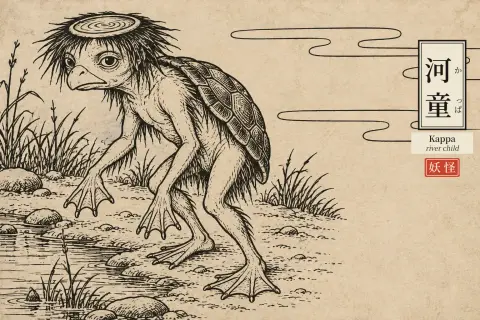
Suitengu also gives a lucky kappa item. The shrine calls the kappa its messenger. You display it at home, against water accidents, fire, and evil. The kappa is the water creature of Japanese stories.
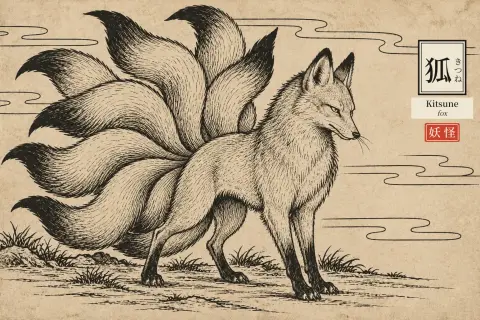
Fushimi Inari is the head shrine of Inari, whose messengers are foxes. The shrine is known for business and a safe home. See the kitsune page for the fox, and our Fushimi Inari guide for a visit.
How to carry it
People keep it on them, all the time. Yushima Tenmangu even makes one for a child's school backpack. Tokyo Daijingu makes a thin charm to slip into a wallet. A car charm stays in the car.
People do not open the bag. A travel guide by MATCHA, a Japan travel site, says looking inside is seen as not trusting the kami. Yushima Tenmangu says a share of the kami's spirit is inside.
When and how to give it back
It usually goes back to a shrine after about a year. Fushimi Inari asks people to renew ofuda and omamori once a year. Ofuda are talismans kept at home. Yushima Tenmangu says to return an omamori about one year after you got it.
Shrines ask people not to throw it in the trash. Omamori are sacred items. Shrines keep a box for old omamori, ofuda, and hamaya arrows. Later, these are burned in a sacred fire, called otakiage. The box is for old charms only, not for other trash.
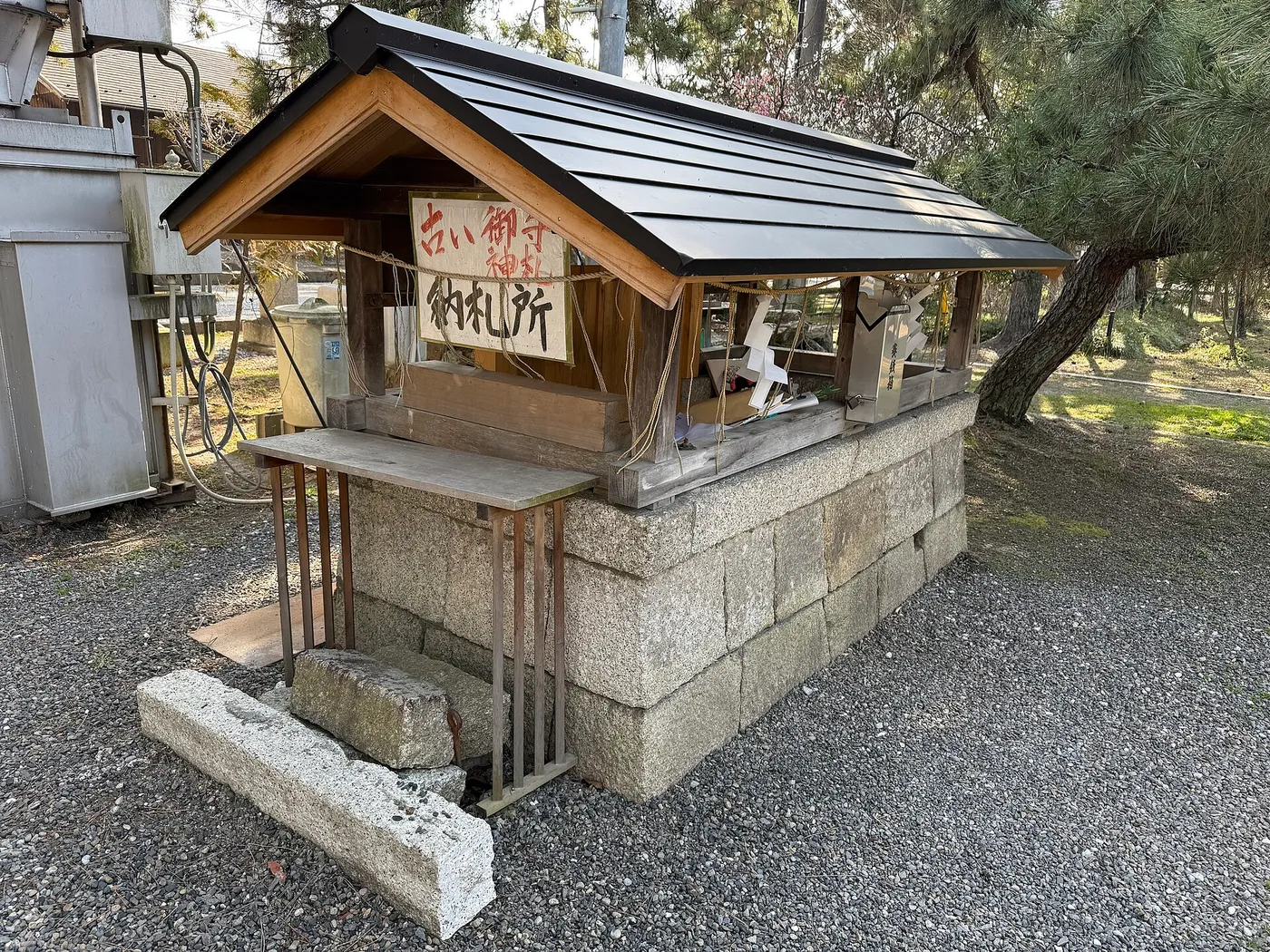 A box for old charms at Nagahama Hachimangu. Its sign names old omamori and ofuda. Photo: Jimmy85007, CC0
You can also return it early, when its purpose is done.
You do not have to go back to the same shrine. Yushima Tenmangu says you can return its charms there or at another shrine. Check with the other shrine first.
At New Year
Many people swap charms at New Year. They usually return the old ones then, before they get new ones.
The first shrine or temple visit of the year is called hatsumode. It is usually in the first three days of January. People take last year's charms to the shrine then, to be burned. They get new ones at the same visit.
In many towns, New Year decorations are burned in a big fire around January 14 or 15. It is called sagichō or dondo-yaki. One encyclopedia says old ofuda from the past year go into this fire too. The dictionaries we read do not name omamori here. So ask the shrine before you bring one. A daruma doll goes back in a similar way.
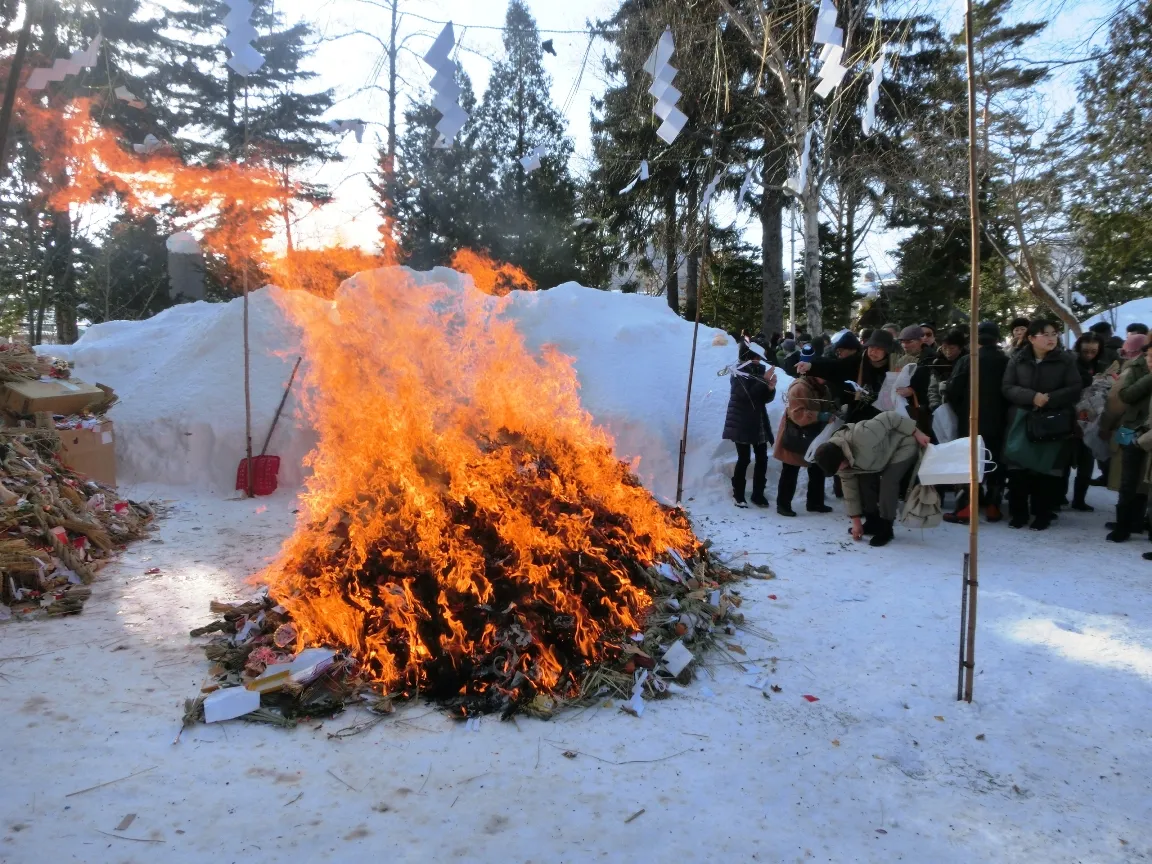 A dondo-yaki fire at Nishino Shrine, January 15, 2015. Photo: 田頭寛, CC BY-SA 4.0
Shrine or temple?
Both shrines and temples give omamori. MATCHA explains the difference. A shrine charm holds the spirit of a kami, placed in it by Shinto rites. A temple charm is blessed by Buddhist rites, such as reading sutras and burning incense.
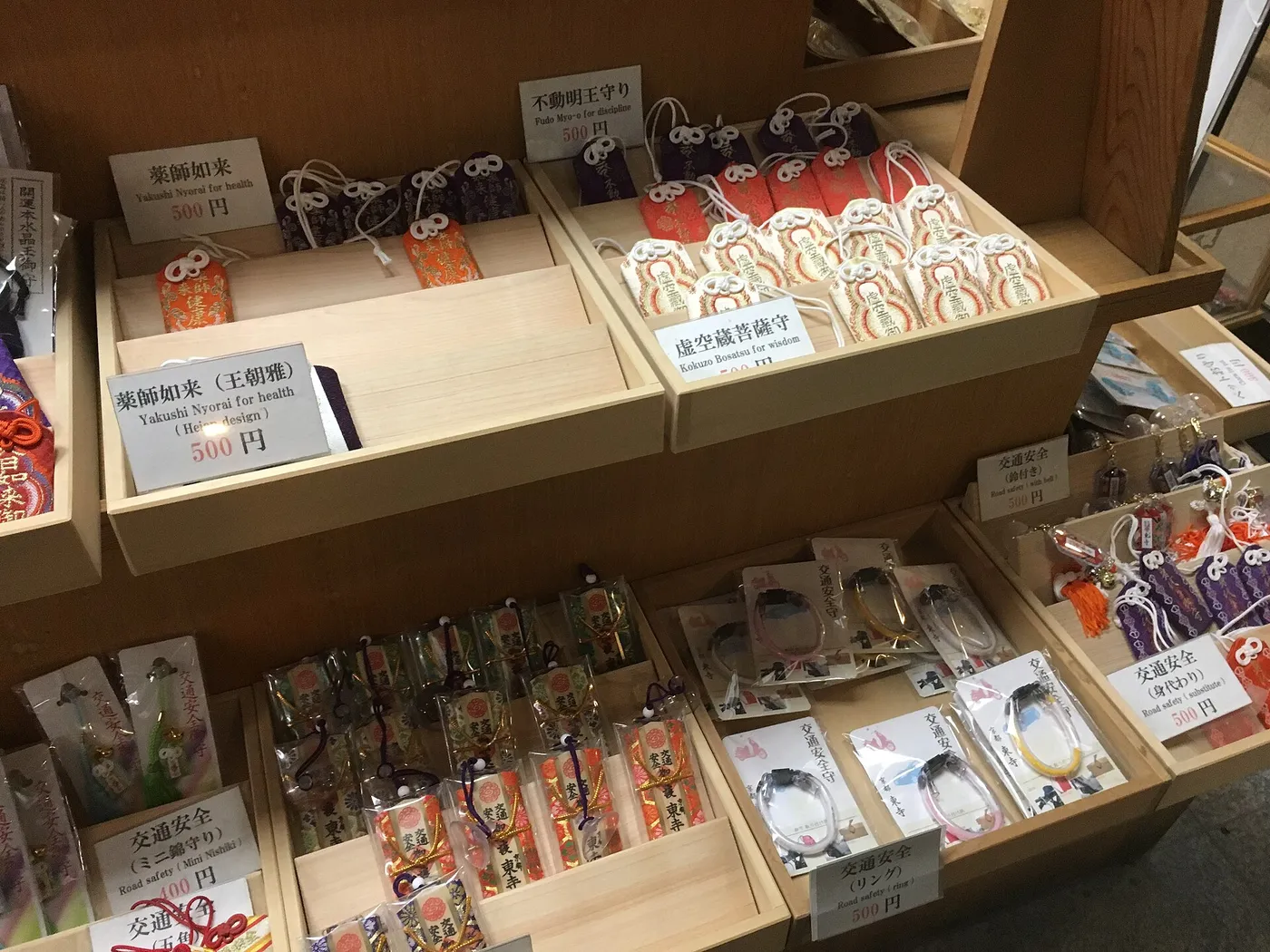 Charms at Tōji, a temple in Kyoto. Labels name Buddhist figures and road safety. Photo: Nesnad, CC BY 4.0
When you return one, match the place. MATCHA says shrine charms go to a shrine, and temple charms go to a temple.
Getting an omamori outside Japan
The proper way is to visit the shrine. Kasuga Taisha in Nara says this in its mail-order form. But it also mails charms to people who live far away or cannot come.
Fushimi Inari and Yushima Tenmangu mail charms too. All three ask for cash by registered mail. None of their pages say they ship abroad. So write to the shrine before you send money.
Kasuga Taisha also sends at most ten items per order. It says this is to stop people from reselling them.
Some Shinto shrines are outside Japan. One in Los Angeles, the Shinto Shrine of Shusse Inari in America, takes old charms by mail for otakiage. It also takes charms from other shrines and temples.
What about charms from shops?
Charms that look like omamori are also sold outside shrines. To a shrine, these are not the same thing. Yushima Tenmangu bans reselling its charms on flea-market sites. It says items not received at the shrine have nothing to do with it. Tokyo Daijingu also refuses proxy sales.
Tagawa Ibuki is the chief priest of Hirota Shrine. He wrote that you do not buy an omamori. It is given by the kami. So the money is an offering, called hatsuhoryō, not a price.
A charm made and sold by a shop did not come from a shrine or temple. It can still be a nice gift. A shrine just does not count it as its omamori.
Where omamori come from
Before shrine charms, people in Japan carried other protective objects. These included tiny mallets and gourds carved from mulberry or nandina wood. Some were little bags of red beans or pebbles. Later, the talismans of shrines and temples took their place.
Some old charms still survive. Shitennō-ji, a Buddhist temple, keeps kakemamori from the Heian period (794 to the late 1100s). A kakemamori was a shrine or temple talisman put inside a bag. Japanese Wikipedia says noblewomen of that time hung them around the neck when they went out. In the Edo period, charms for the waist and the arm spread to ordinary people.
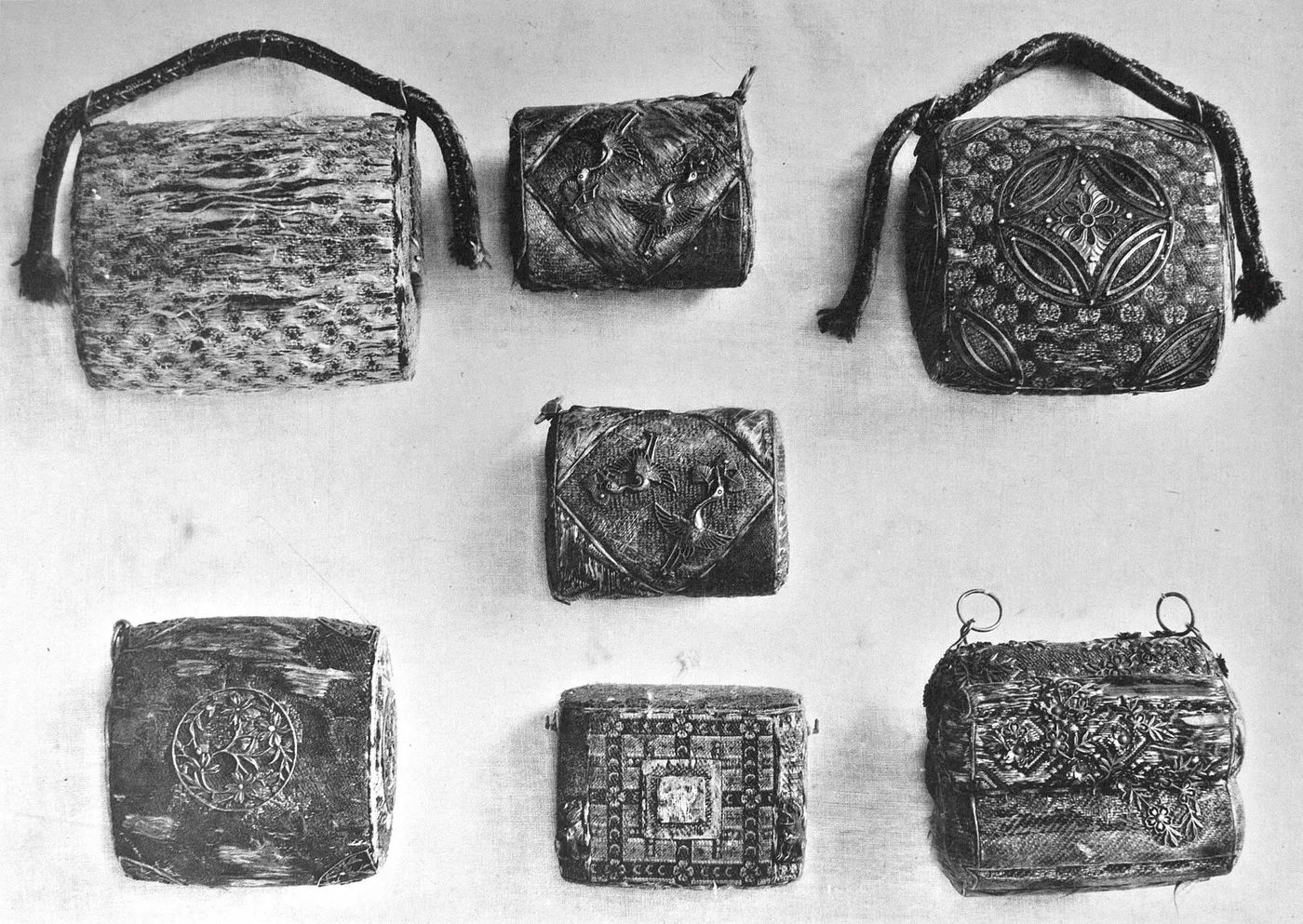 Kakemamori of Shitennō-ji, in a 1915 book of temple treasures. Photo: Imperial Japanese Commission to the Panama-Pacific International Exposition, public domain
The oldest written use of the word that one big dictionary gives is from a late Muromachi story, Daibutsu no Engi. The Muromachi period ended in 1573.
<!-- kanji -->The name
Omamori is written お守り or 御守. The main character, 守, is the verb mamoru, "to protect." The o in front is a polite prefix. So the name means what the charm does: protection.
Frequently asked questions
Can I carry more than one omamori?
MATCHA says yes. It says many charms do not cancel each other out. It adds that some Buddhist schools may not like mixing shrine and temple charms. If you are not sure, ask at the temple.
Is it bad luck to keep an old omamori?
The shrines we read do not call it bad luck. They just ask you to return it after about a year. The Shusse Inari shrine in Los Angeles gives a reason. It says the bond between the kami and the charm grows weaker after a year.
How much does an omamori cost?
At the three Tokyo shrines we checked, most charms were 700 to 2,000 yen. The full range was 500 to 3,000 yen. The safe-birth belt set at Suitengu was 4,000 yen. At Fushimi Inari in Kyoto, charms were 800 to 3,000 yen. These prices are from the shrines' own lists, as of November 2026. They can change.
Sources
- Kotobank: 御守, 左義長, 室町時代, 守, 御
- Kokugakuin University, Basic Terms of Shinto: O-mamori
- Japanese Wikipedia: お守り, 初詣, 平安時代, 江戸時代
- Japan Tourism Agency, Box to Return Old Amulets (Meiji Jingu)
- Shrine pages: Fushimi Inari Taisha and its FAQ, Yushima Tenmangu, Tokyo Daijingu, Suitengu, Kasuga Taisha mail-order form
- Shinto Shrine of Shusse Inari in America, Otakiage
- Tagawa Ibuki, Newsweek Japan (from President Online), 2025
- MATCHA: handling omamori, temple and shrine omamori in Asakusa