A child wanders past the edge of the village. An adult steps out at dusk to close a storehouse. Neither comes back. Japan has an old word ready for exactly this: kamikakushi (神隠し). The kanji spell it out plainly — 神 (kami, god) and 隠 (kaku, to hide), with an ending that turns the pair into a noun. Hidden by the gods. Not lost. Taken.
What the word actually covers
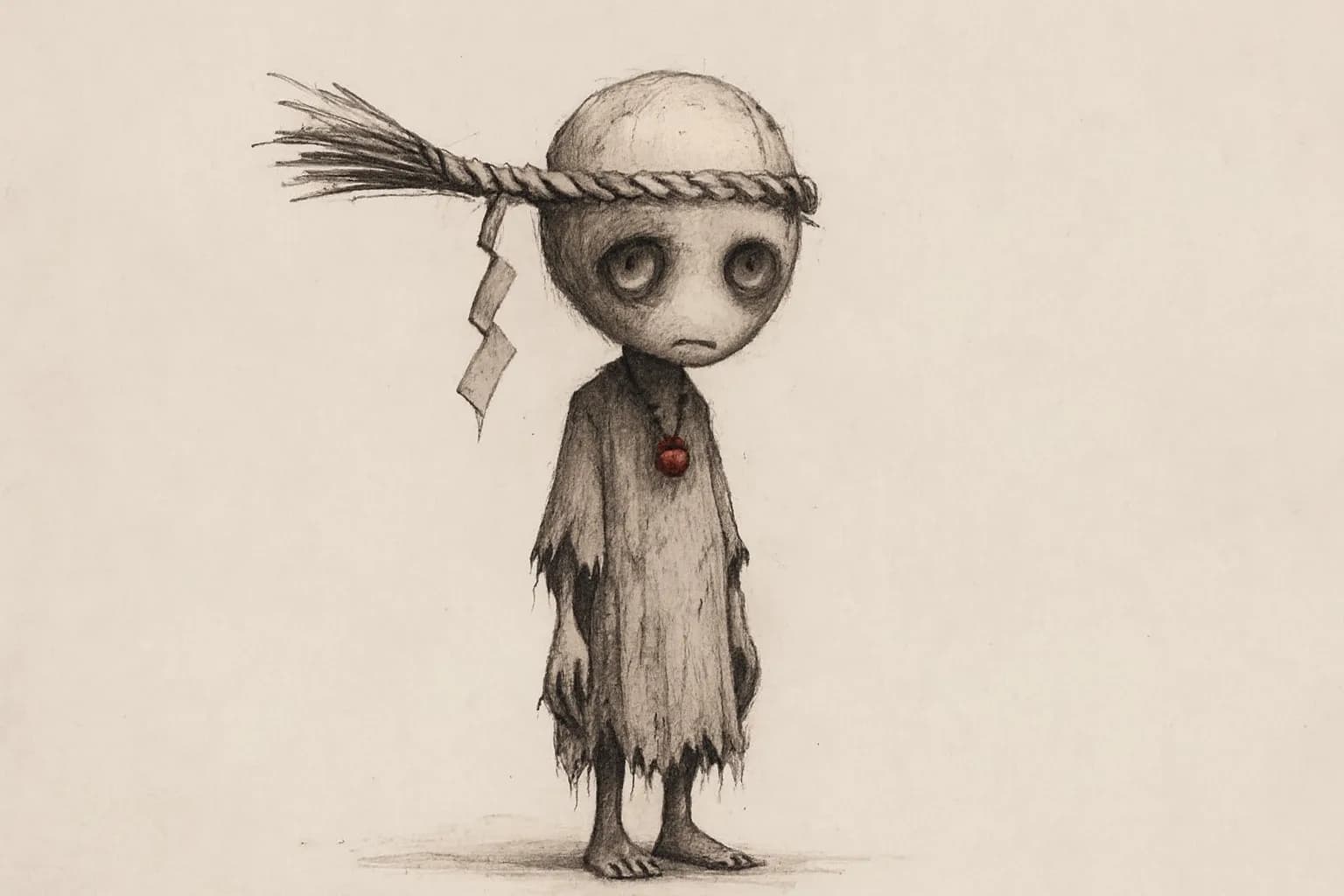
Kamikakushi names an event, not a monster. Nobody claimed to see a creature carry anyone off. What they saw was a person gone, usually last noticed near a threshold: a mountain pass, a bridge, a forest edge, a village boundary, a crossroads. Older belief treated these spots as seams between the ordinary world and sacred ground — the kind marked off with a shimenawa, a twisted straw rope, or paper streamers called gohei. Some were kept as kinsokuchi, ground nobody was allowed to enter at all. Later the same logic crept indoors: a fence, an outhouse, a storehouse, even a rain shutter or a sliding paper door could count as a border worth guarding.
In Okinawa the same vanishing is called mono-kakushi. Someone taken this way is said to come back once — only to fetch their own comb — then disappear again. Families would hide the comb to stop them. People say it worked only sometimes; a comb has been known to go missing from a sealed room. Researchers who study this tie the comb to serving the kami, and they read Okinawa's version as older than the mainland story that later blamed it all on one culprit.
Who got blamed
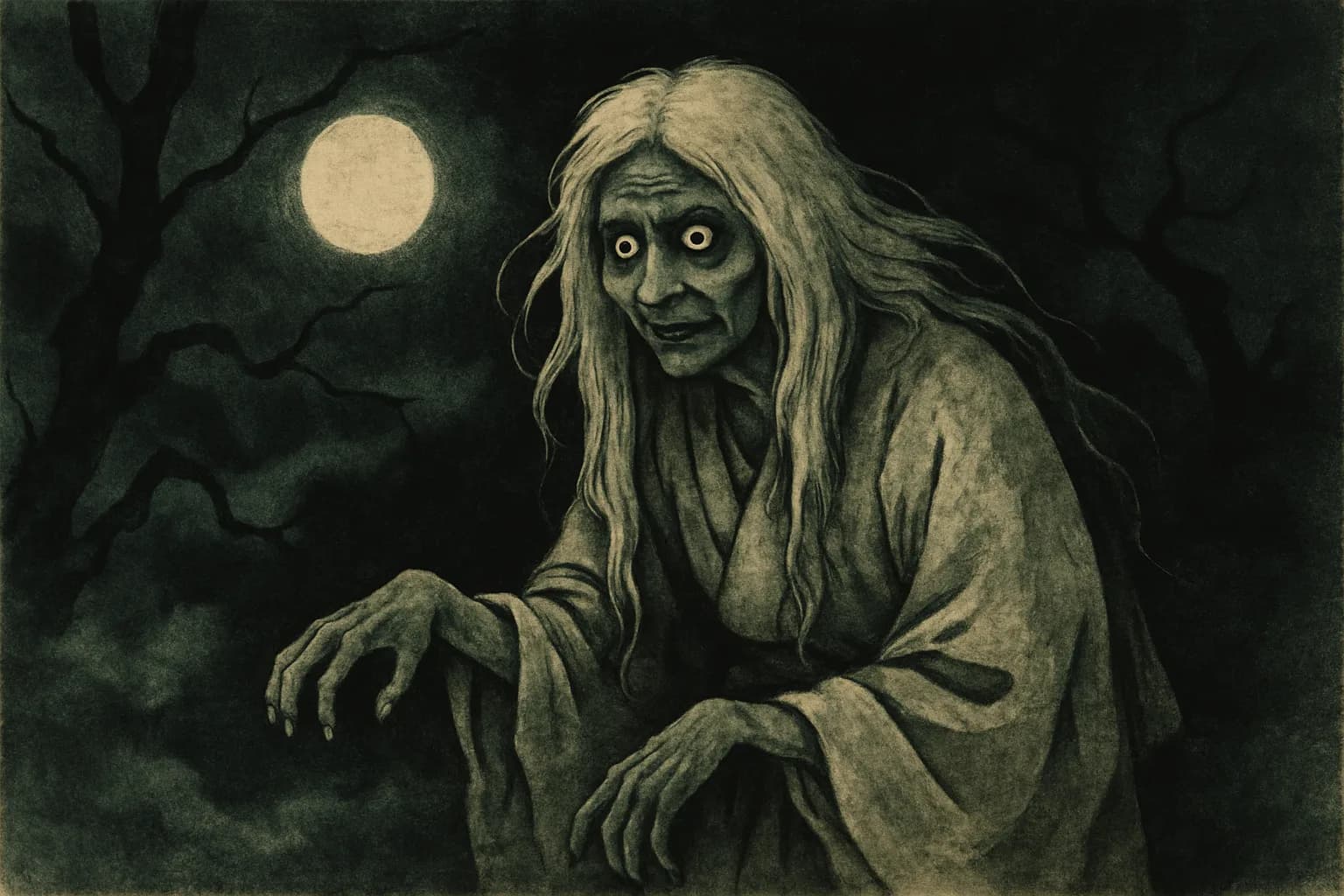
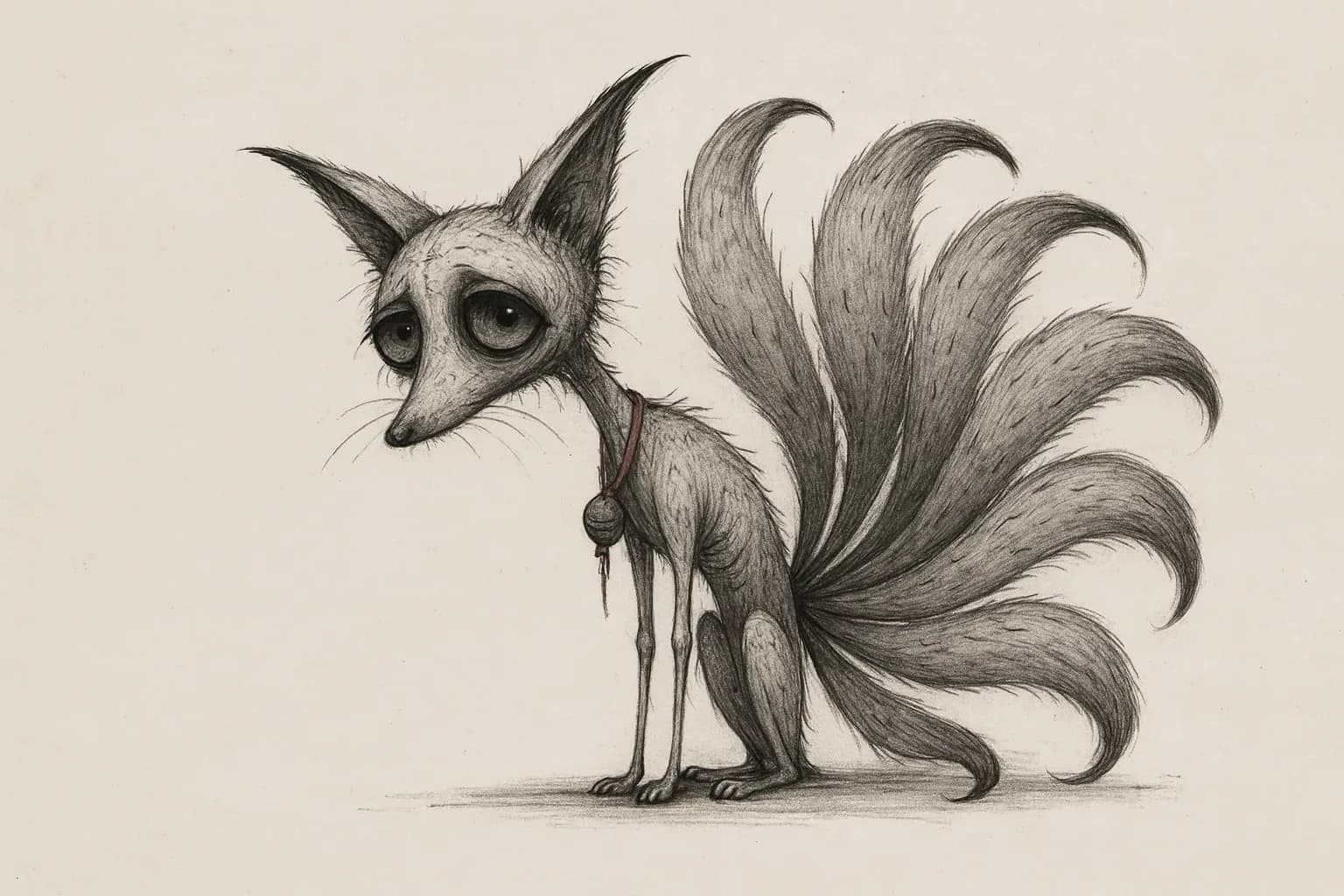
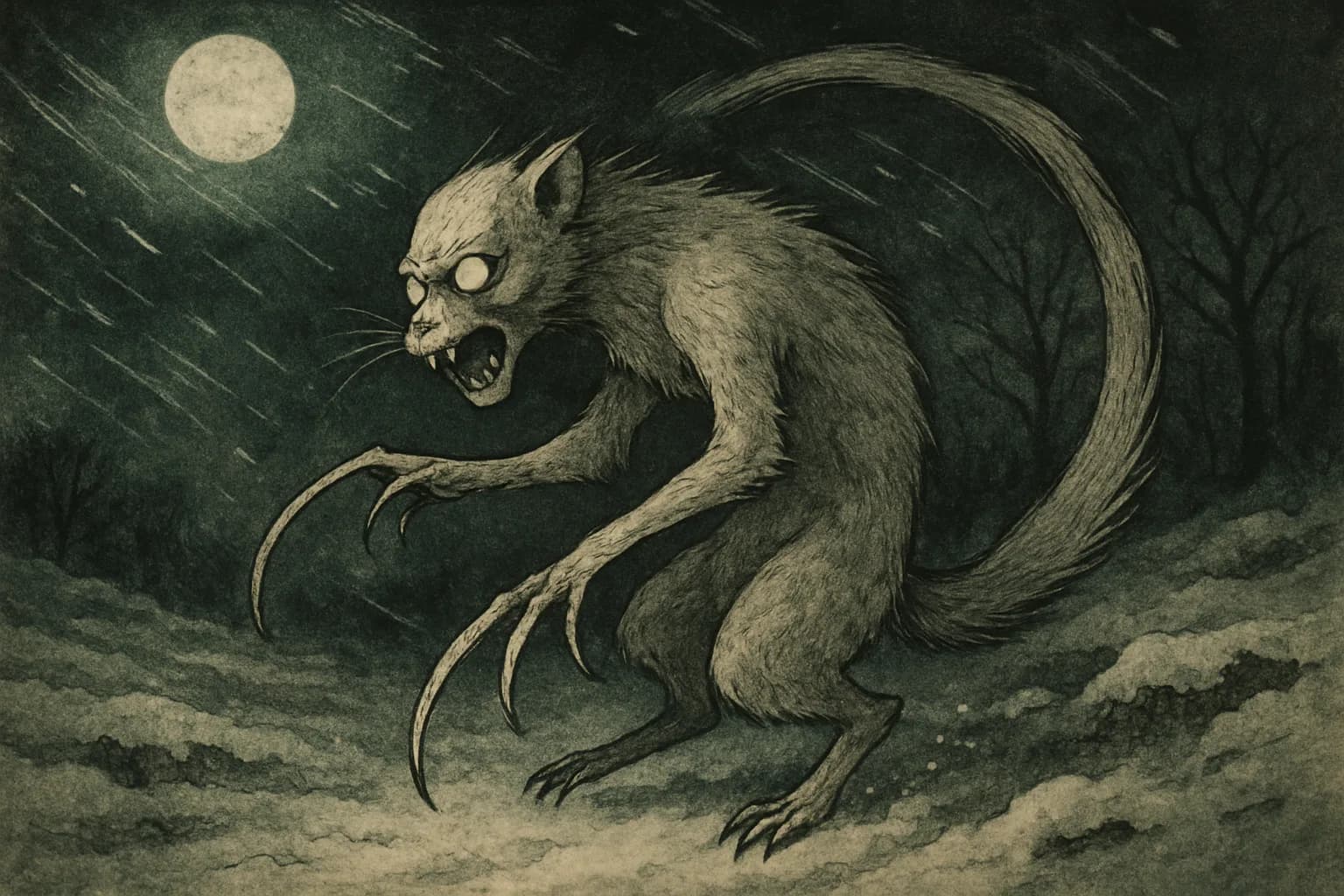
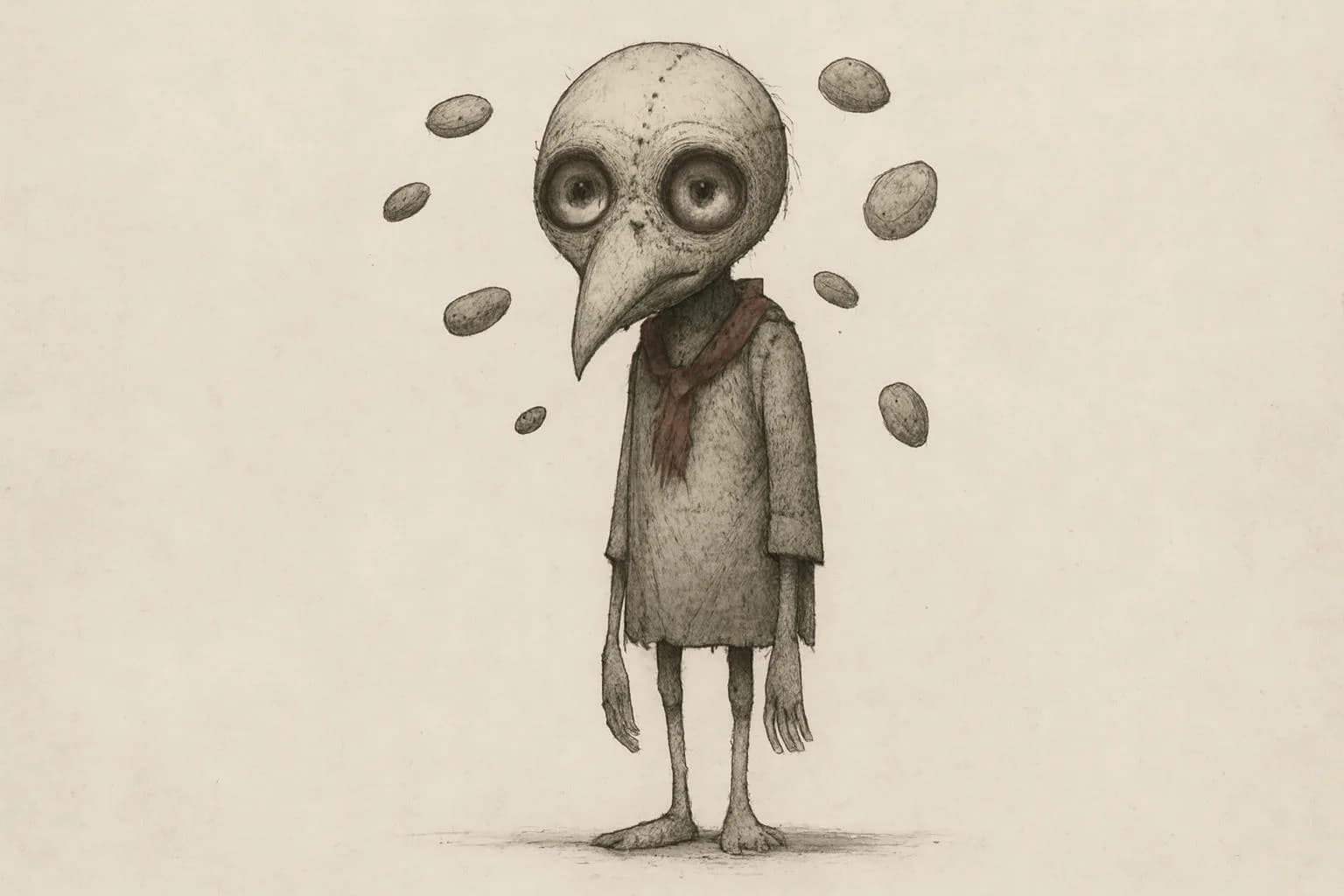
On the mainland, that culprit was usually the tengu, the long-nosed mountain goblin. Kamikakushi carries a second name because of it: tengu-kakushi, tengu-hiding. But tengu was never the only suspect. Villagers also pointed to yama-no-kami, the mountain god, to yamauba, the old woman of the deep woods, to foxes, and — when the missing person was a child — to oni. Dosojin, the roadside guardian stones set up at the very borders a traveler might wander past, existed partly to stop any of them from succeeding.
One of the oldest stories on record is about one such child. The Azuma Kagami, a 13th-century chronicle, tells of Taira no Shigemochi, son of the warrior Taira no Koremochi, who vanished soon after birth. Four years passed. A dream pointed searchers to a fox mound, and there the boy was found. A fox had met him in the shape of an old man and given him a sword and a comb, both kept afterward as family treasures. This is read as a legend meant to boost the family's standing, not a plain record. Even so, it is one of the oldest kamikakushi-type accounts that survives, and that comb links it, oddly, all the way to Okinawa.
How a village searched
Searching had its own shape. Parties walked a set route, beating a gong and a drum, calling the missing person's name — something closer to ritual than to a modern search party. Near Hachioji, parents climbed a nearby peak known as Yobawari-yama, "calling-out mountain," and shouted the child's name from there; it usually worked. Elsewhere whole villages processed with drums, chanting "kayase, modose" — give them back, bring them back. In Hitachi Province, one legend holds that a search ended with a child found caught in a cedar tree, after a sound like wind and a black shape seen flying toward the peaks.
The Noh play Kagetsu, staged since around Zeami's time in the 14th century, puts a tengu abduction on stage directly: a seven-year-old is carried off, and the father becomes a monk and prays at Kiyomizu-dera until the two meet again, grown. The Edo-period casebook Mimibukuro records something stranger still: a child found in the next town over, badly forgetful, as if memory itself had been the thing taken — and, in a separate entry, a person who vanished into an outhouse and stepped back out of that same outhouse twenty years later.
Where it comes from
A disappearance is frightening precisely because it has no visible cause. Kamikakushi gave communities one anyway, and a ritual response to go with it: walk the paths, beat the drums, call the name. The realistic explanations sit underneath the whole time — a lost child, a runaway, someone fleeing debt by night, a kidnapping, an accident that left a person unable to call for help. Those especially said to be at risk were nervous or disabled children and women recovering poorly from childbirth: people already going through an unsettled stretch of their own lives. A missing child needed a cause. The mountains already had one waiting.
Kamikakushi today
Hayao Miyazaki's 2001 Studio Ghibli film carries the word in its full Japanese title, Sen to Chihiro no Kamikakushi — literally "Chihiro's kamikakushi." The English release, Spirited Away, keeps the premise and drops the word, so most of its audience outside Japan has never actually seen the term their favorite film is named for.
Higurashi: When They Cry took the opposite path and swapped a kanji. Its first story arc is called Onikakushi — 鬼隠し, "hidden by an oni," not a god. No Edo-period source uses that word; it appears to be the franchise's own invention. But the swap tracks real folklore closer than it looks. Oni genuinely was one of the named culprits, right alongside tengu and foxes, long before anyone wrote the word down for a visual novel.