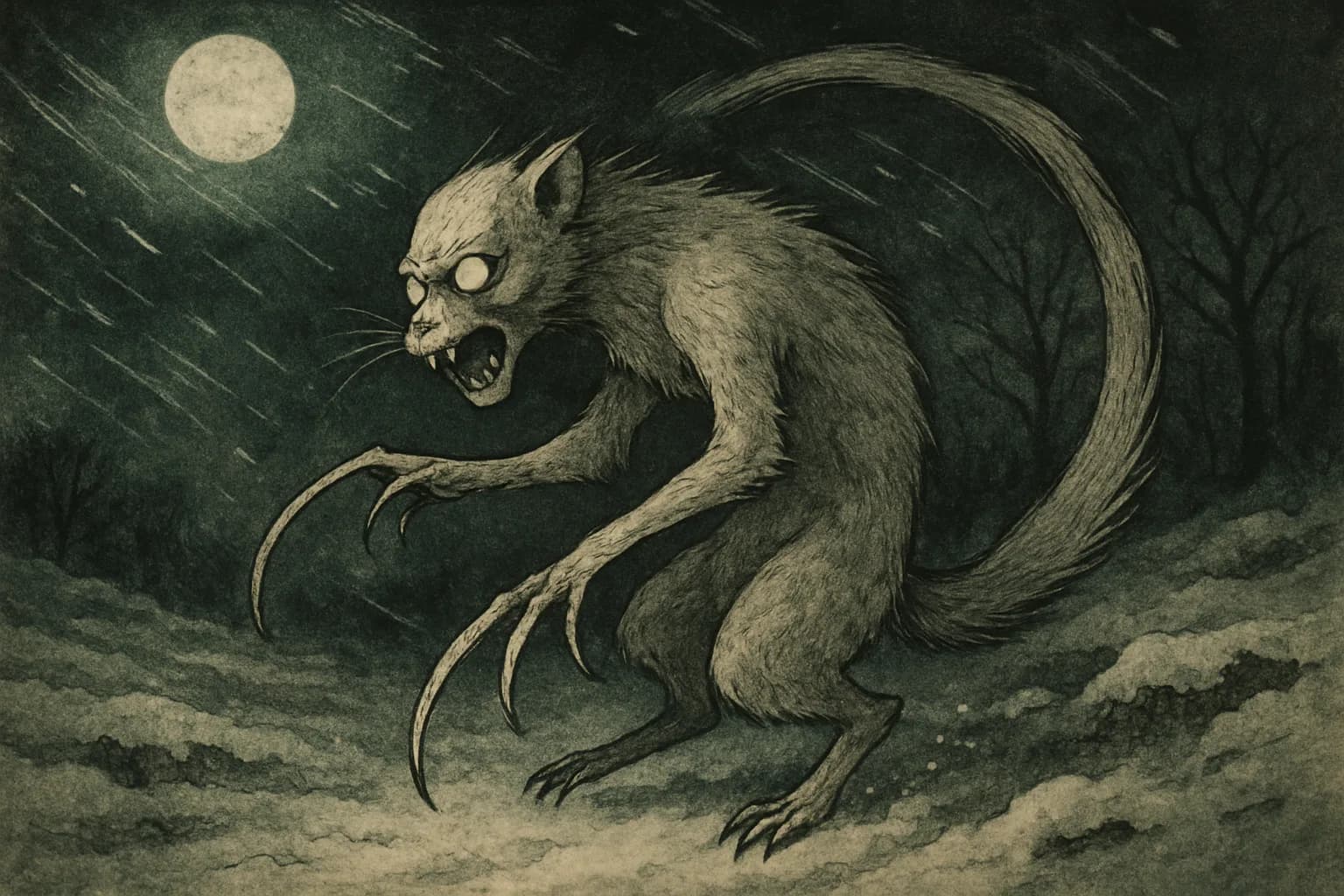
Walk across a snowy field in Niigata or Nagano at the wrong moment and you might feel it: a gust catches your leg, and a moment later you notice a clean gash through your trousers, deep enough to see bone, yet you felt nothing and there is barely a drop of blood. Villagers in the old snow country had an explanation ready. A kamaitachi — a sickle-weasel riding the wind — had just passed through.
What does it look like?
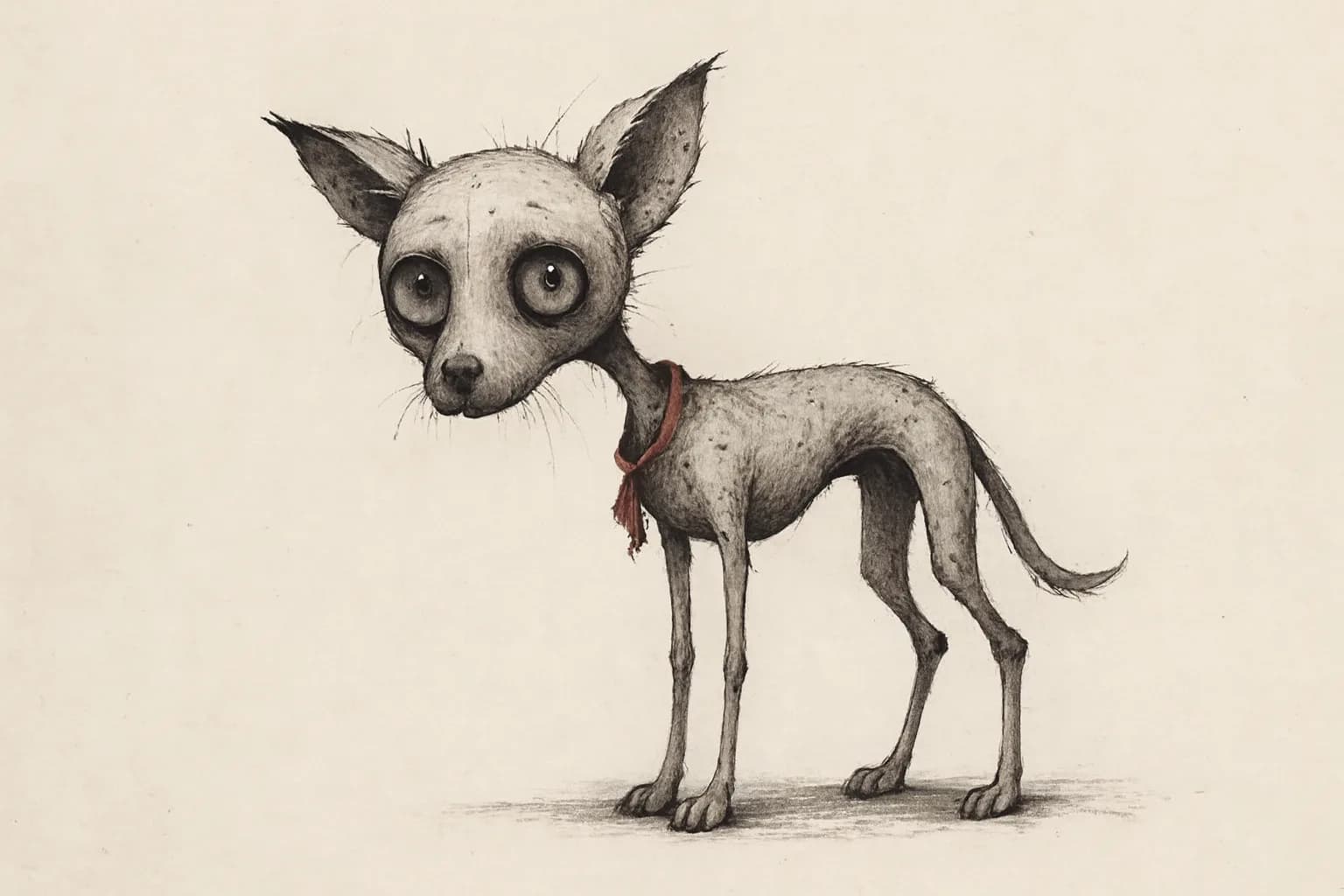
The name is literal: 鎌 (kama, "sickle") fused to 鼬 (itachi, "weasel"). Toriyama Sekien drew it in his 1776 print collection Gazu Hyakki Yagyo as a weasel-like creature with blades for claws, caught mid-leap inside a whirlwind. Most oral accounts don't bother describing a body at all — the kamaitachi is felt, not seen, a shape inside a sudden localized gust that a farmer might glimpse only as a blur of grey fur and a glint of metal.
The wound with no pain
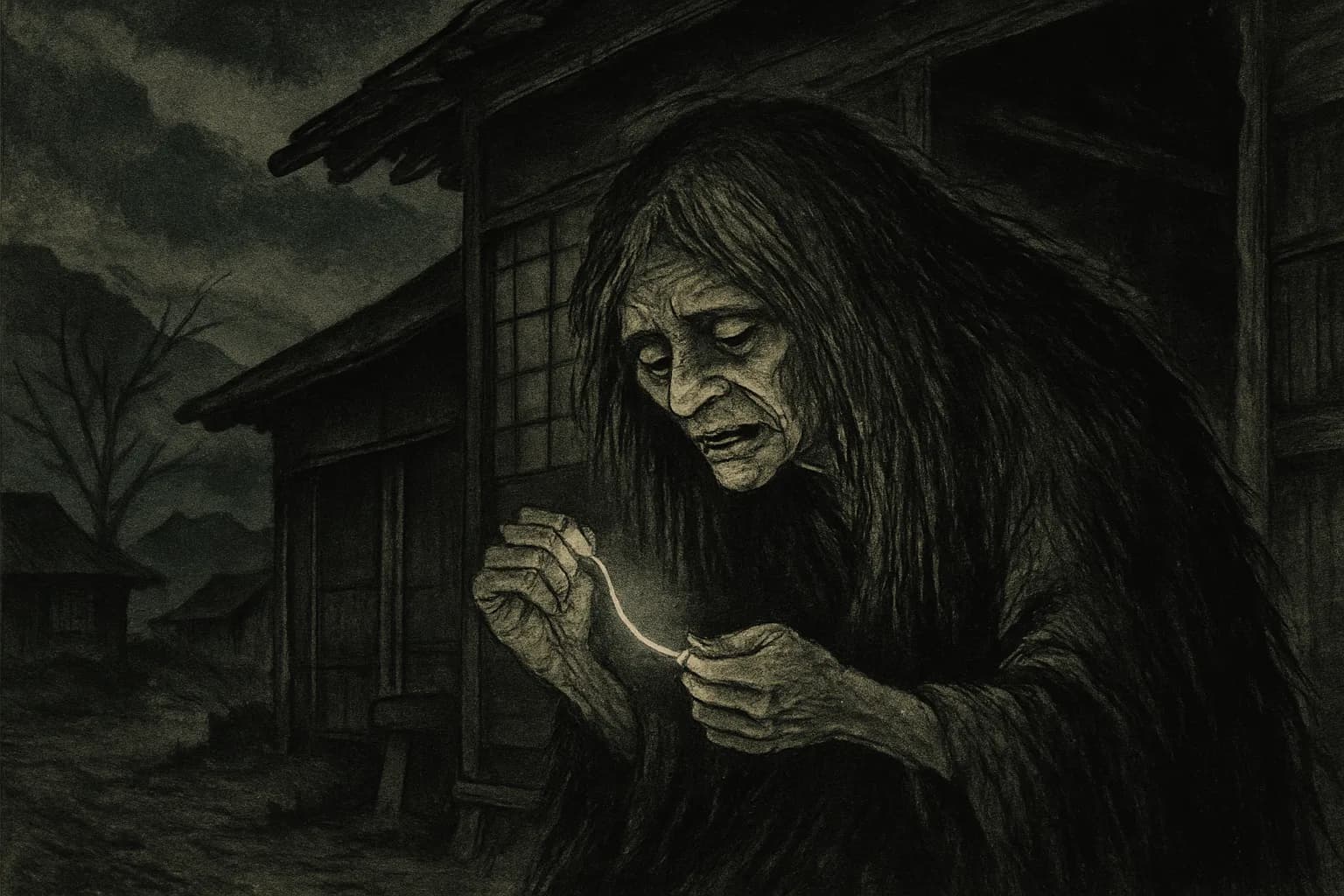
What sets the kamaitachi apart from every other Japanese cutting-spirit is the specific, oddly clinical nature of its attack. Victims report three things every time: the wind hits first, the cut appears second, and neither pain nor real bleeding follows. In the most common version of the story, told across Echigo, Shinano, and parts of Tohoku, the kamaitachi does not work alone. It travels as a trio riding the same whirlwind — the first weasel knocks the traveler down, the second slashes the exposed skin, and the third follows behind to rub on a medicine that seals the wound instantly, which is why the victim never feels the blade at all. Some tellers of the tale collapse this into a single spirit acting fast enough to do all three jobs unseen.
The wounds were real enough to have a name of their own: kamaitachi became the folk term for the injury itself, not just the creature causing it, and doctors in snow country villages used it as a lay diagnosis well into the twentieth century for gashes that appeared with no obvious cause.
Where the encounters happen
Kamaitachi attacks cluster around a specific set of conditions rather than any particular shrine or crossroads, which sets this yokai apart from most. Sufferers were almost always crossing open ground in cold, dry weather, frequently right after a dust devil or sudden whirlwind kicked up loose snow or debris. Because the phenomenon was tied to weather rather than to a haunted place, it spread across a wide belt of Japan's snow country — Niigata, Nagano, and Yamagata all have local kamaitachi lore — without ever becoming associated with one shrine or mountain the way many other yokai are.
Where it comes from
Folklorists have offered a mostly physical explanation for centuries: a small, fast-moving vortex of air can drop local pressure sharply enough to rupture capillaries under the skin without breaking it from the outside, producing a deep-looking, bloodless cut. Static discharge and airborne grit have also been proposed as causes. None of this made the kamaitachi feel any less real to the people who experienced it — a sudden gust, a sudden wound, and no visible attacker is exactly the kind of event that folklore is built to explain, and giving the wind three sickle-clawed weasels to blame turned an unnerving injury into a story with a shape.
Kamaitachi today
The creature's name outlived the folk medicine. Kamaitachi no Yoru ("Banshee's Last Cry"), a mystery sound-novel first published by Chunsoft for the Super Famicom in 1994, borrowed the yokai's name for its snowbound-inn murder plot and became one of the best-selling entries in the genre, with sequels still appearing decades later. The word also survives in everyday Japanese as shorthand for any sudden, sharp, causeless cut — proof that a good folk explanation for a strange wound can stick around long after anyone still blames the weasels.