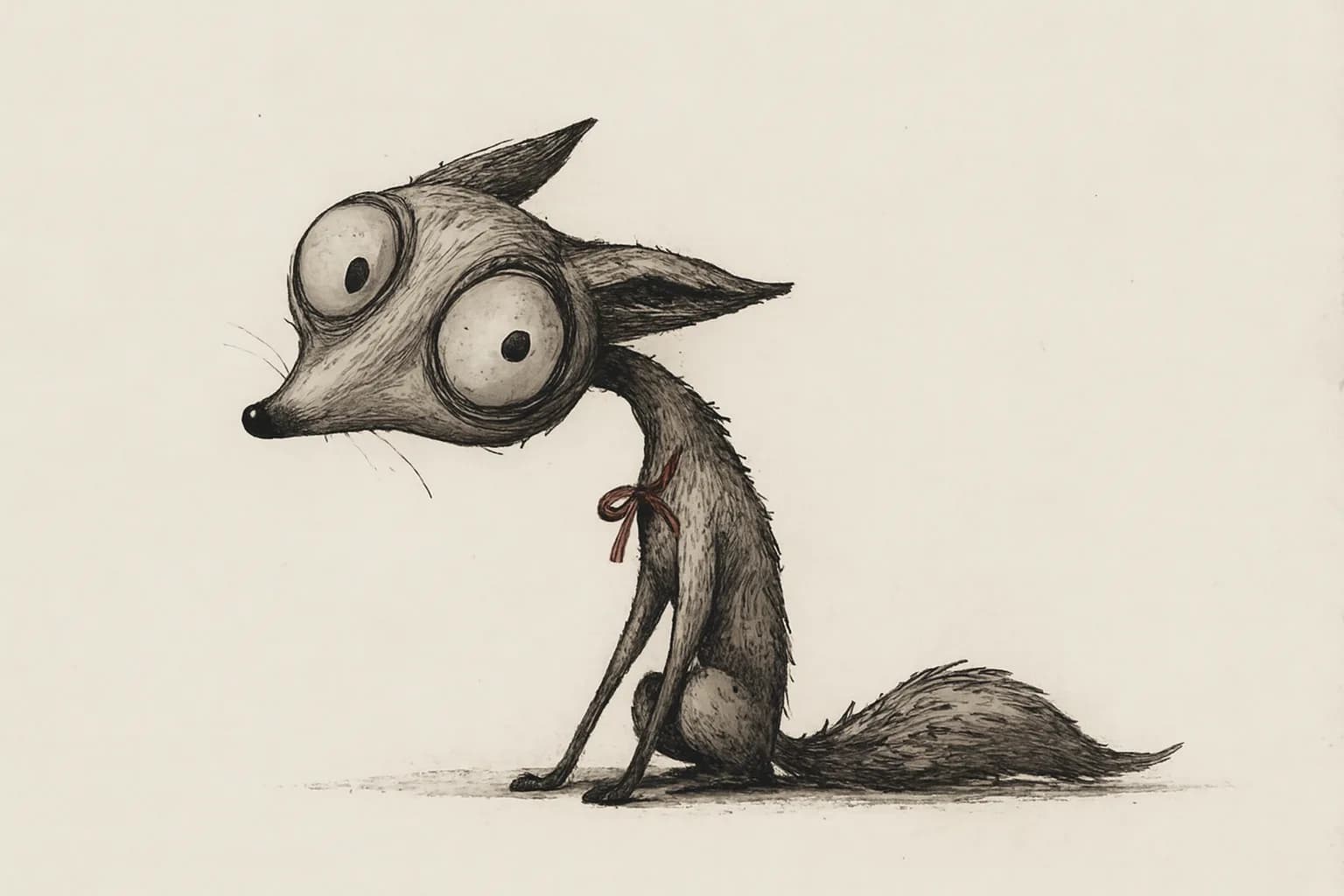
Most fox-women in Japanese folklore want a husband. Osan-gitsune wants someone else's. She takes the shape of a striking woman, finds a man who is already married or promised to another, and goes to work on him. Nothing about her is subtle. That is the point of the story.
What does it look like?
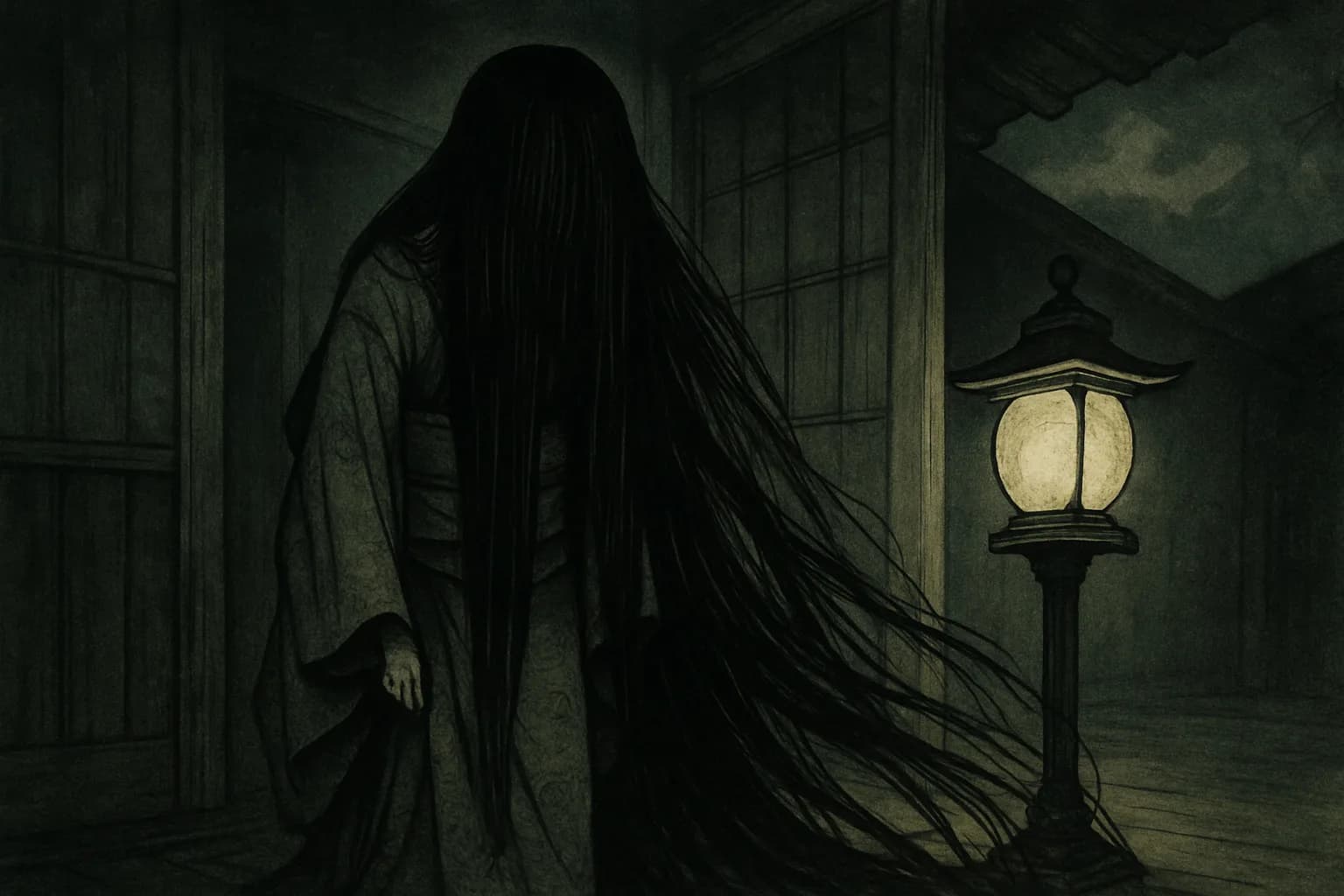
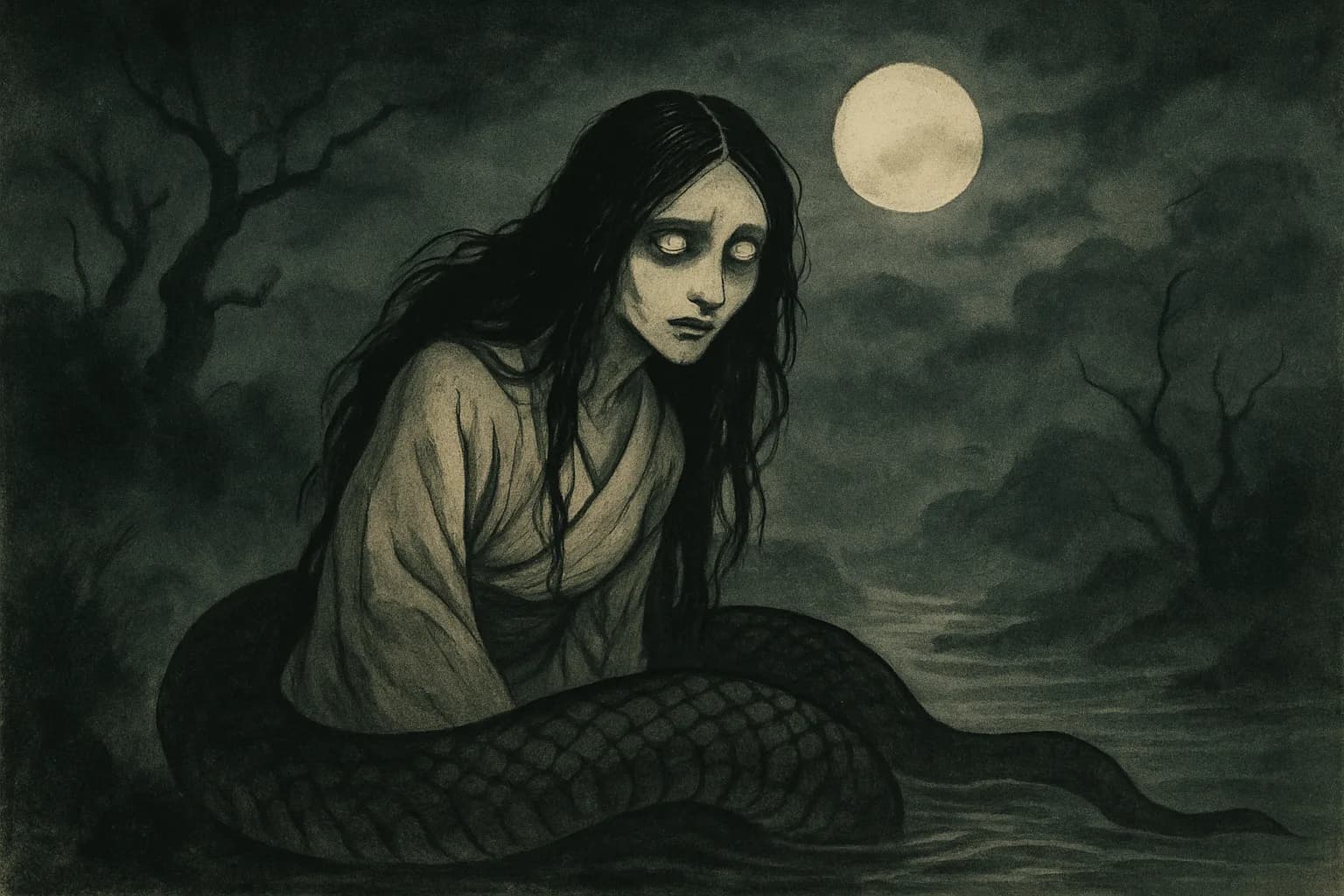
Osan-gitsune has no fixed face of her own. She is a fox first, and the woman is a disguise — beautiful, confident, and impossible for the targeted man to ignore. Storytellers describe her as unusually well turned out for a rural fox spirit: fine clothing, a striking figure, a manner that draws a man's eye across a room or a field.
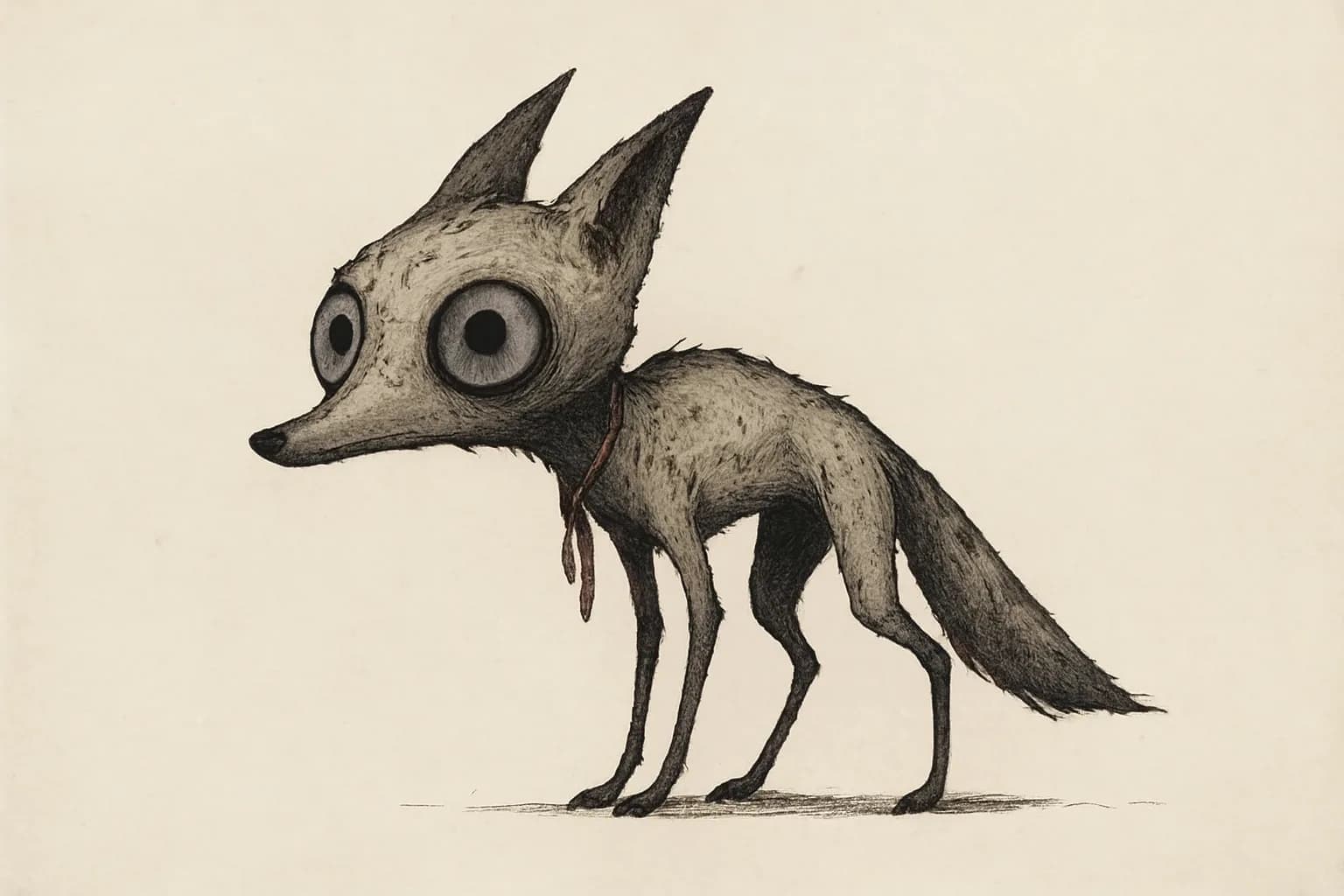
Her name gives away the whole trick. お (o) is a polite prefix. さん (san) is an ordinary woman's given name, the kind a real person in the village might carry. 狐 (gitsune) means fox. Put together, it reads as "Miss San, the fox" — a fox specific enough to be called by a person's name, not just a species.
A fox with one job
Where many kitsune tales are about tricksters testing greed or dishonesty, Osan-gitsune's tales are about one thing: infidelity. She does not seduce bachelors. She seeks out men who already have a wife, a fiancée, or a betrothal arranged by their families, and she goes after exactly them.
Once a man is drawn in, the story follows a familiar kitsune pattern of ruin. He forgets his obligations at home. He wastes time, money, or reputation chasing a woman who was never real. In the harsher versions, he comes back to his family changed, hollowed out, or does not come back at all. The fox gets nothing material out of it. The damage to the marriage is the whole result.
A named fox in a region full of them
Osan-gitsune belongs to the Chūgoku region, the western tip of Honshu that looks out over the Sea of Japan. This part of the country carried an unusually strong belief in foxes as individuals rather than as a species. Some families in the San'in area were even said to keep, or be haunted by, a specific fox with its own name and its own grudges — a tradition the writer Lafcadio Hearn recorded in Izumo in the 1890s, further along that same coast.
Osan-gitsune fits that pattern. She is not "a fox" in the way a folktale usually means it. She is a particular fox, known well enough locally to be called Osan, with a reputation specific enough that people warned their sons and husbands about her by name.
Where it comes from
The tales were written down late, in twentieth-century collections such as Kyōdo no Densetsu (1956) and the regional journal Kōshiji (1935, 1939), which gathered oral folklore from villages across western Japan before it could be lost. That puts Osan-gitsune's paper trail well after the Edo-period bestiaries that recorded creatures like the kitsune in general. The belief itself is almost certainly older; it simply travelled by word of mouth for longer before anyone wrote it down.
Read as a warning story, Osan-gitsune does a very specific job. The loyal fox-wife of other kitsune legends rewards a man for treating a stranger kindly. Osan-gitsune punishes the opposite failure — a man who already has a household to protect, and risks it anyway for a beautiful stranger. She is the fox tale a village tells about temptation, not about kindness.
Osan-gitsune today
Osan-gitsune has stayed a local figure. She has no shrine, no festival, and no cucumber-roll-style claim on modern pop culture the way the kappa or the general kitsune does. Outside the folklore collections that first recorded her, she mostly turns up in regional histories of San'in fox belief and in comparisons to better-known seductive kitsune like the fox-wife of Kuzunoha.
That obscurity is its own kind of evidence. A warning aimed at married men in a handful of Chūgoku villages never needed to travel to Edo to do its work.