Every Edo-period domain needed messages carried fast, and Tottori's fastest courier was, by local memory, a fox. Keizōbō could take the shape of a young samurai and cover the round trip to Edo in three days. He is also remembered as Kyōzōbō, or simply as the hikyaku-gitsune — the "postal courier fox." He served the castle for years, until one afternoon of hunger cost him his life.
What does Keizōbō look like?
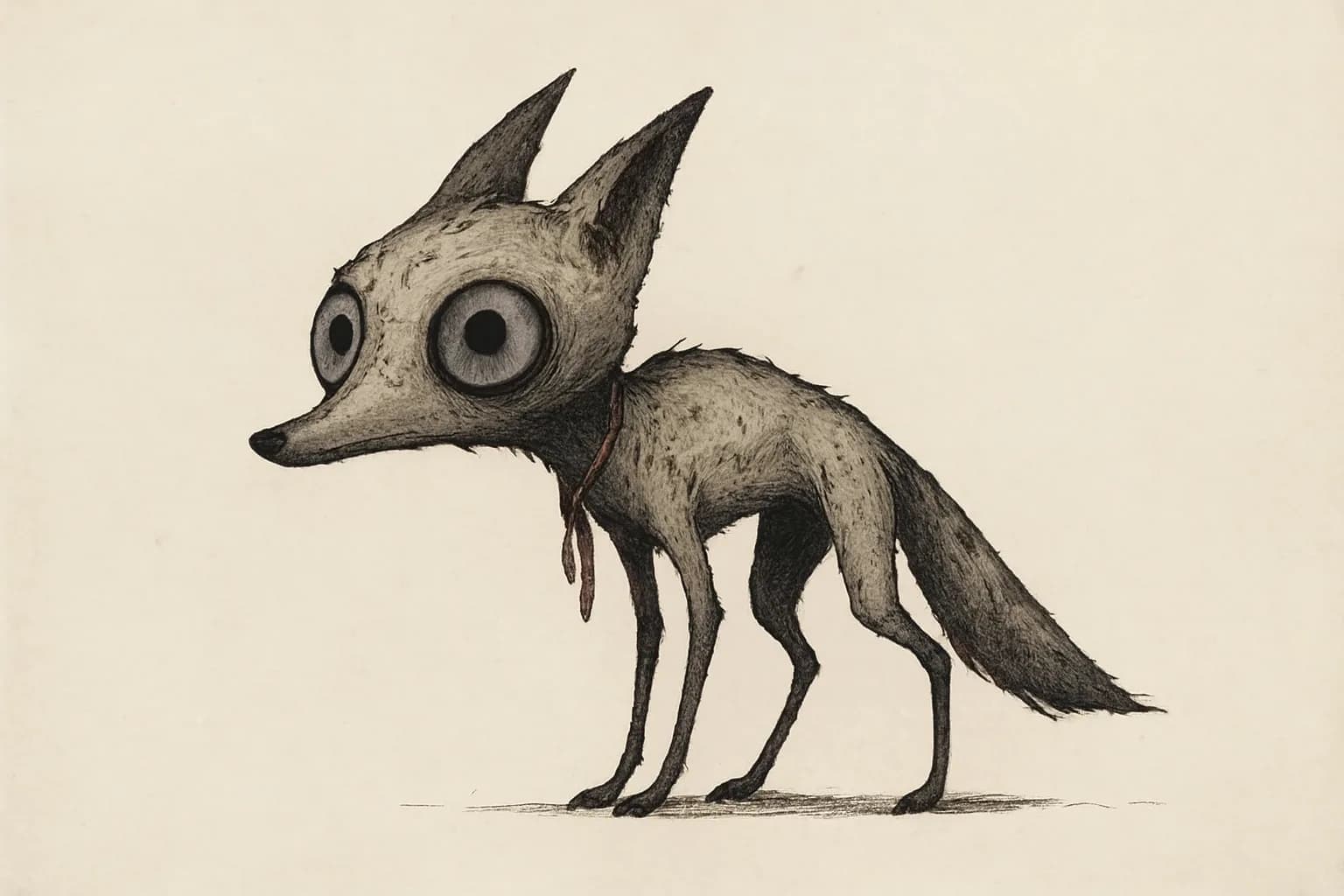
No Edo-period print fixes a single image of Keizōbō, the way Toriyama Sekien's prints did for many other yokai. What survives instead is a description of his disguise.
Keizōbō traveled the road as a young samurai. He dressed for the part and moved like any other messenger on the highway. Nothing marked him as a fox except his speed, and the plain fact that no ordinary man could match it.
The three-day run to Edo
Keizōbō served Ikeda Mitsunaka, the first Ikeda lord of Tottori domain, who took the post in 1632. His task was carrying messages between Tottori Castle and the shogun's capital at Edo, far to the east.
The round trip normally took ordinary couriers much longer. Keizōbō did it in three days. That speed is the whole of his reputation — not tricks, not mischief, just a job done better than any human courier could manage.
The trap and the shrine
On his way back from one such errand, Keizōbō passed through a village called Momoyatani. A farmer there had set traps baited with fried mice, hoping to catch a fox that had been raiding his fields.
Keizōbō passed the trap once, on his way out, and left it alone. Coming back, the smell was too much. He knew what it was and sprang for it anyway. The trap caught him, and he died on the road.
When Lord Ikeda heard what had happened, he grieved for the fox and had a shrine built inside the castle grounds, on the slope of Mount Kyūshō.
Where it comes from
The earliest written record of the story is the Chōfu-shi, a domain gazetteer compiled around 1842 by the samurai scholar Okajima Masayoshi. It set down two centuries of Tottori's history, including tales like Keizōbō's that had circulated as spoken memory long before.
The domain's real courier network, the hikyaku, was known for exactly the kind of speed the legend claims. Turning that speed into a fox's gift was one way a story could explain something that felt almost impossible.
Keizōbō is remembered as married to another named fox, Otonjorō, who lived at Tatsumi Pass. Together with three others, they make up the Inaba Five Foxes — Inaba being the old name for eastern Tottori. Unlike the trickster kitsune found across much of Japan, these five are remembered as loyal servants: named, married, and mourned like people, not blamed for mischief.
Keizōbō today
The shrine Lord Ikeda built still stands, now called Nakasaka Shrine. Visitors reach it by a side path climbing from behind the Ninomaru, the castle's second bailey, up the flank of Mount Kyūshō where Tottori Castle once stood.
Tottori's fox legends remain a point of local pride, alongside older stories like the White Hare of Inaba on the coast nearby. The torii gates along the path to Keizōbō's shrine are painted the same red as any other Inari shrine — a reminder that Inari, the harvest deity, has always kept foxes as messengers.