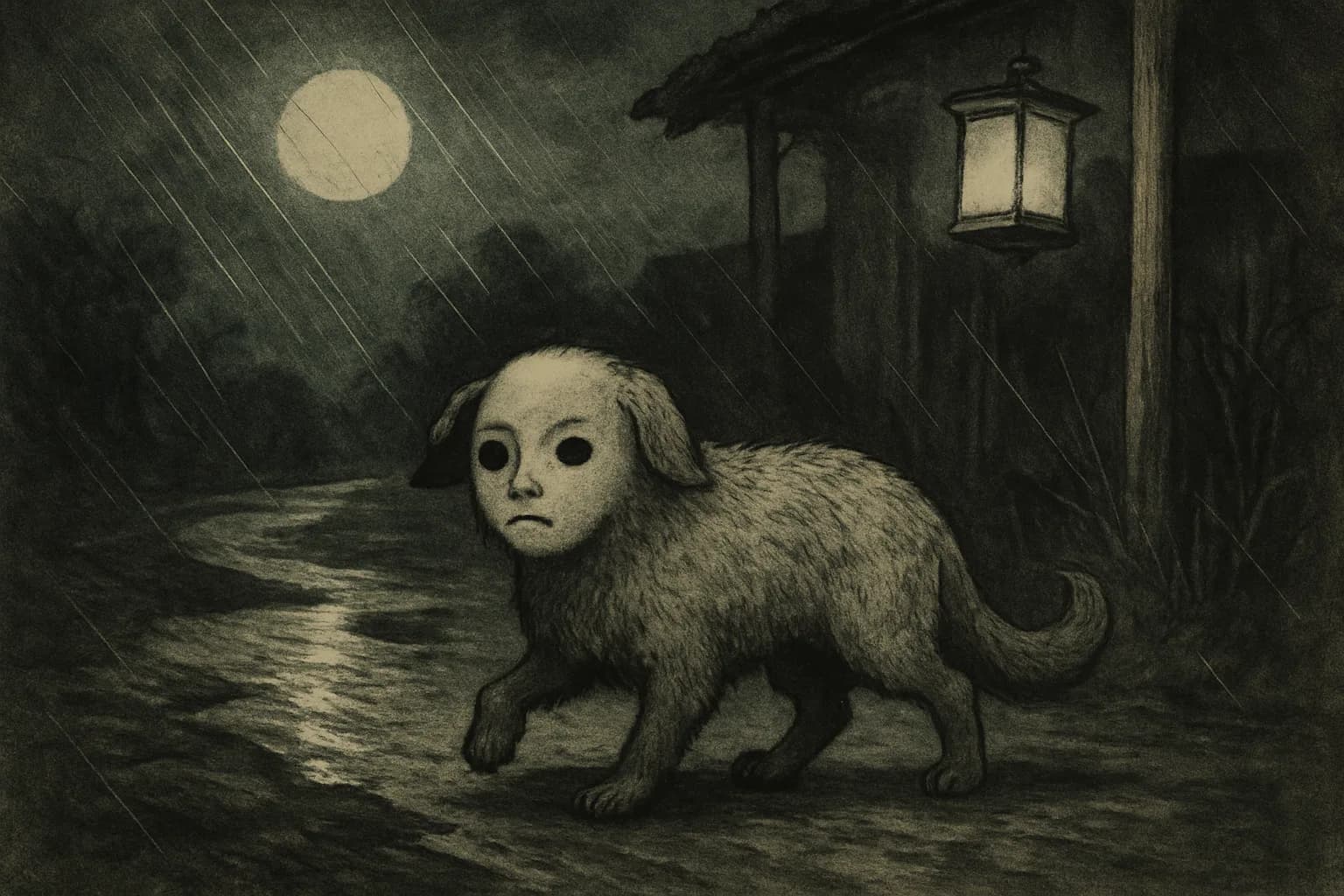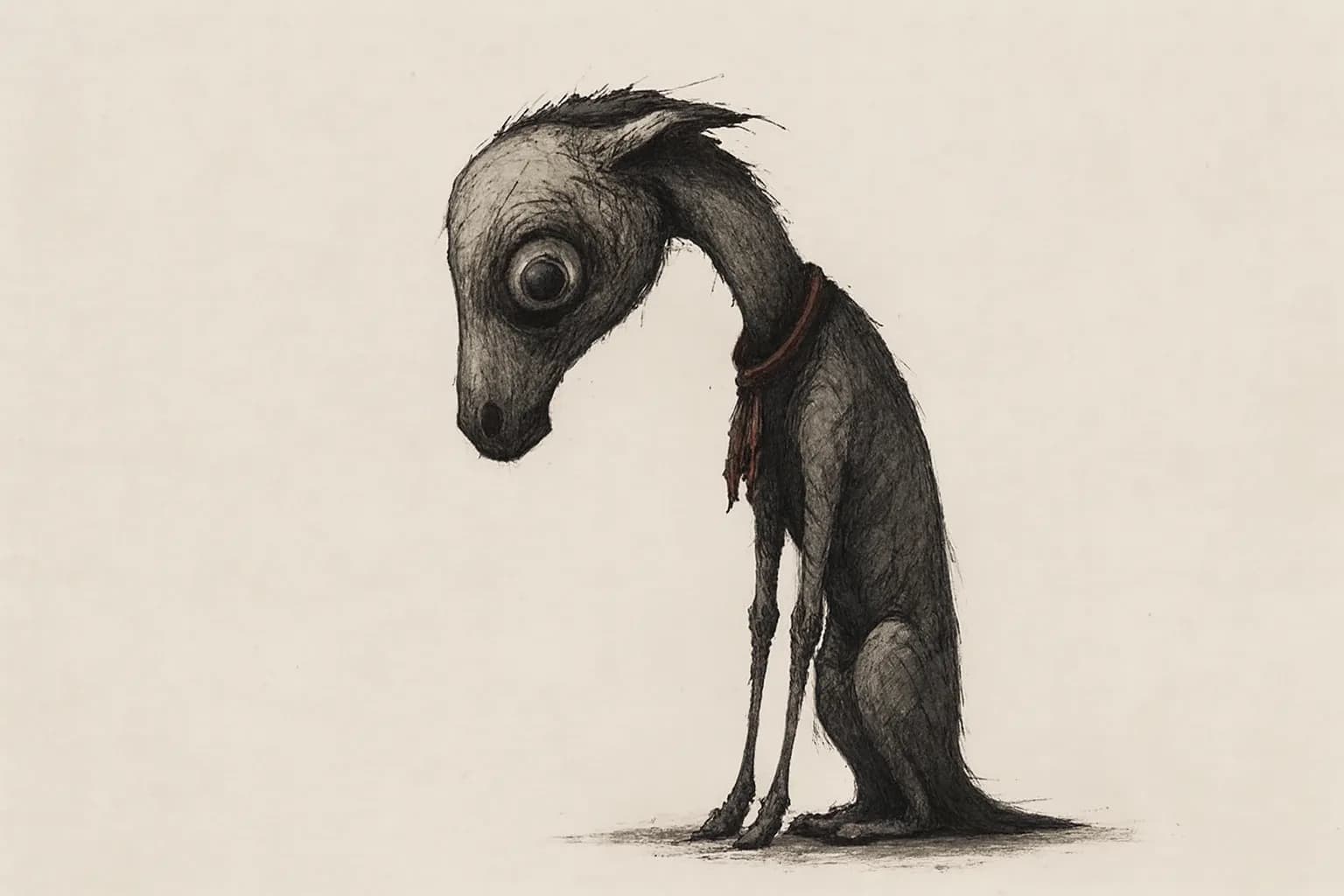
Most yokai from Shimane's Iwami region got their shape from something everyone already feared: a river, a mountain, the dark road home. Noma got its shape from a single detail. It has one eye. Past that, the record says almost nothing about how it looks, only what it does. It waits for someone walking alone at night, and it attacks them. The name is just as blunt: 野 (no, "field" or "wild") plus 馬 (ma, "horse") — literally wild horse.
What does it look like?
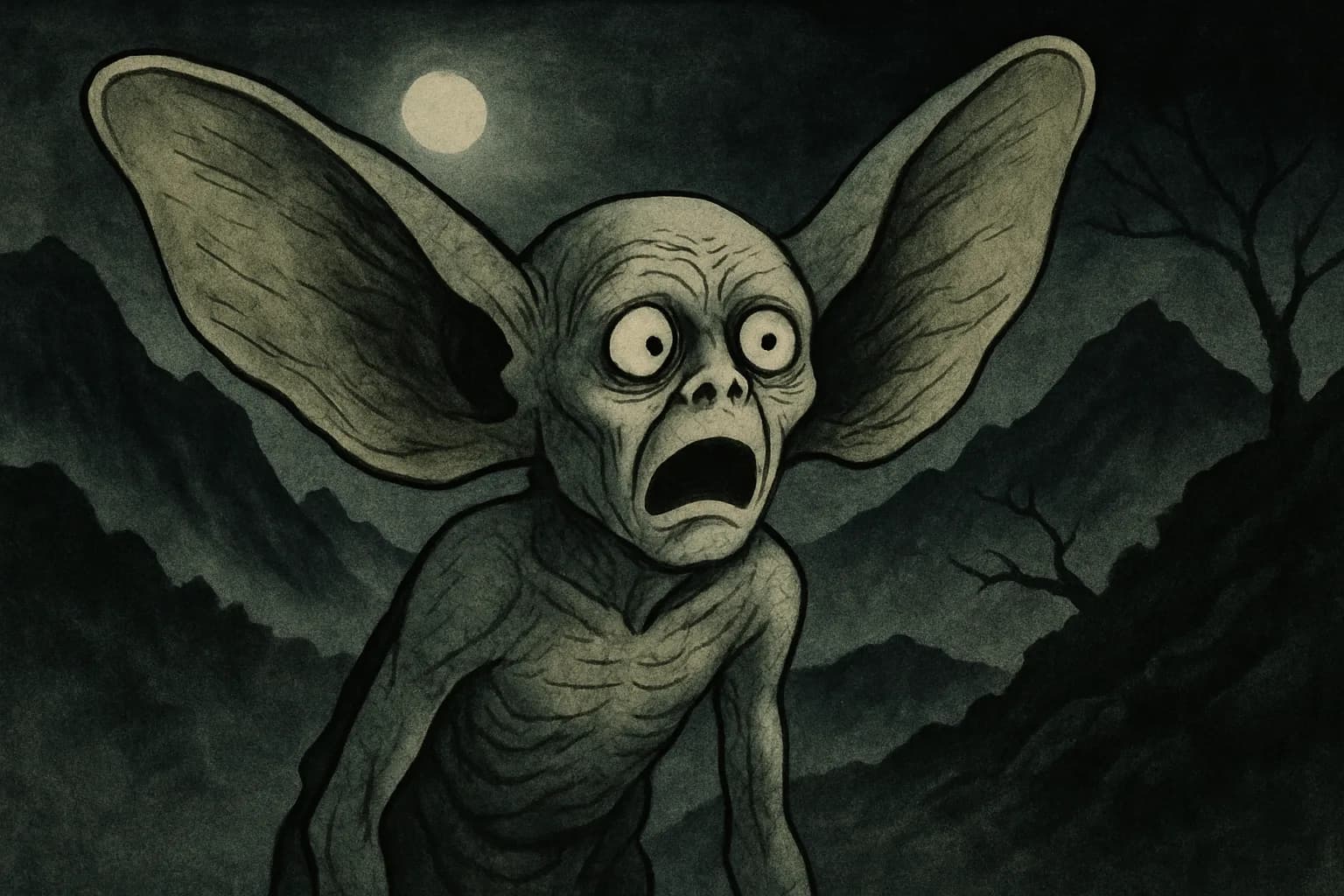
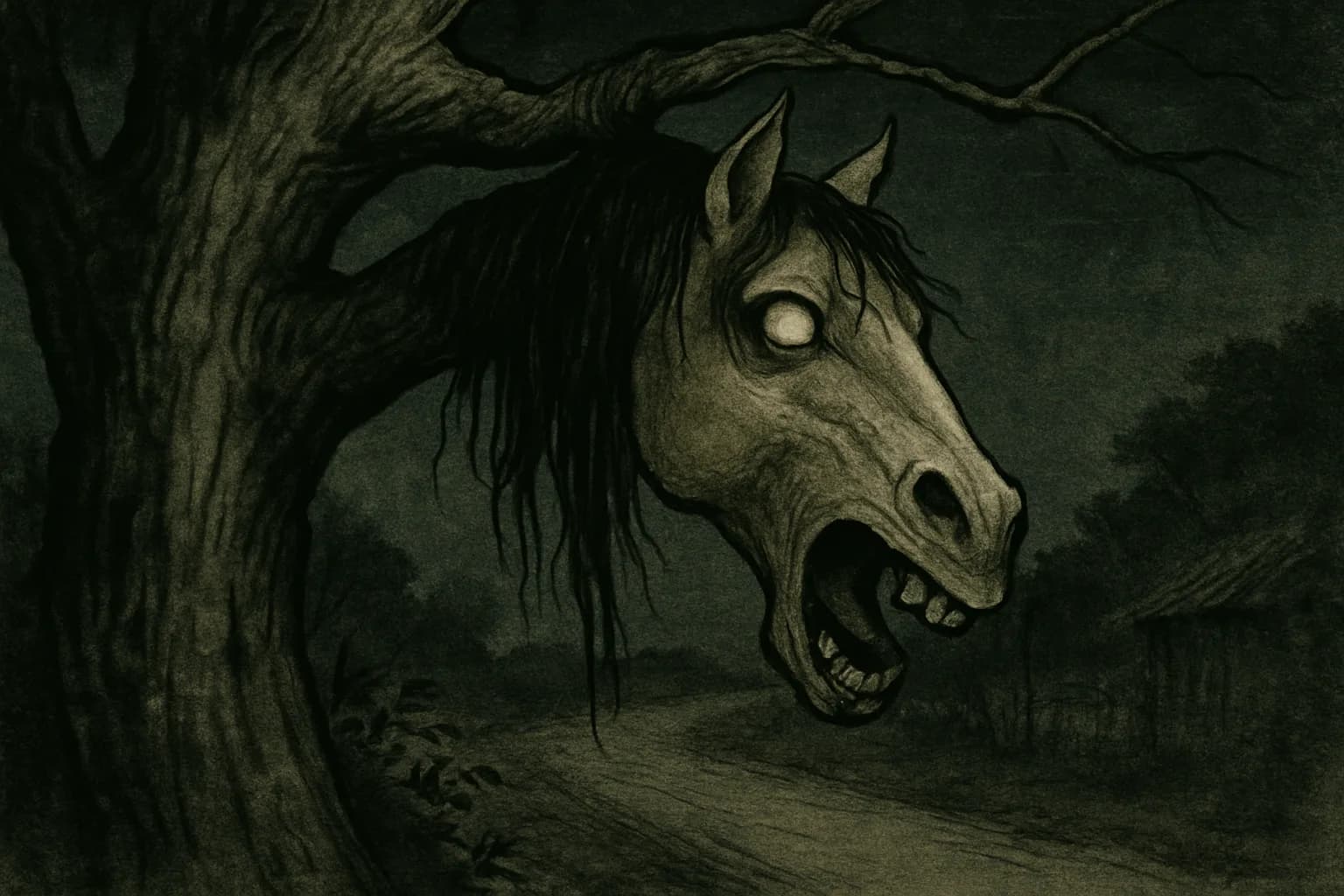
Descriptions of Noma are thin, even by the standards of Japanese folklore. Every account agrees on one feature: a single eye. Some tellings give it a black, horse-like face, which fits the name. Past that, no source describes its size, its skin, or how it moves. It is defined by what happens to the people who meet it, not by its shape.
A hunter of the night road
Noma's role in Iwami's folklore is simple. It stalks isolated stretches of road at night and attacks anyone walking there alone. Older tellings say it eats its victims outright. The warning underneath is just as old. Do not travel alone after dark. Avoid a lonely stretch of field at night.
Yokai with this exact job turn up all over Japan, under different names. Okuri-inu is the dog that trails a lone night walker home. Yamabiko is the mountain echo blamed on an unseen creature. Both cover the same fear, in the same kind of hills. Noma took the job on the open fields near Hinui.
The tatara and the goddess who scared it off
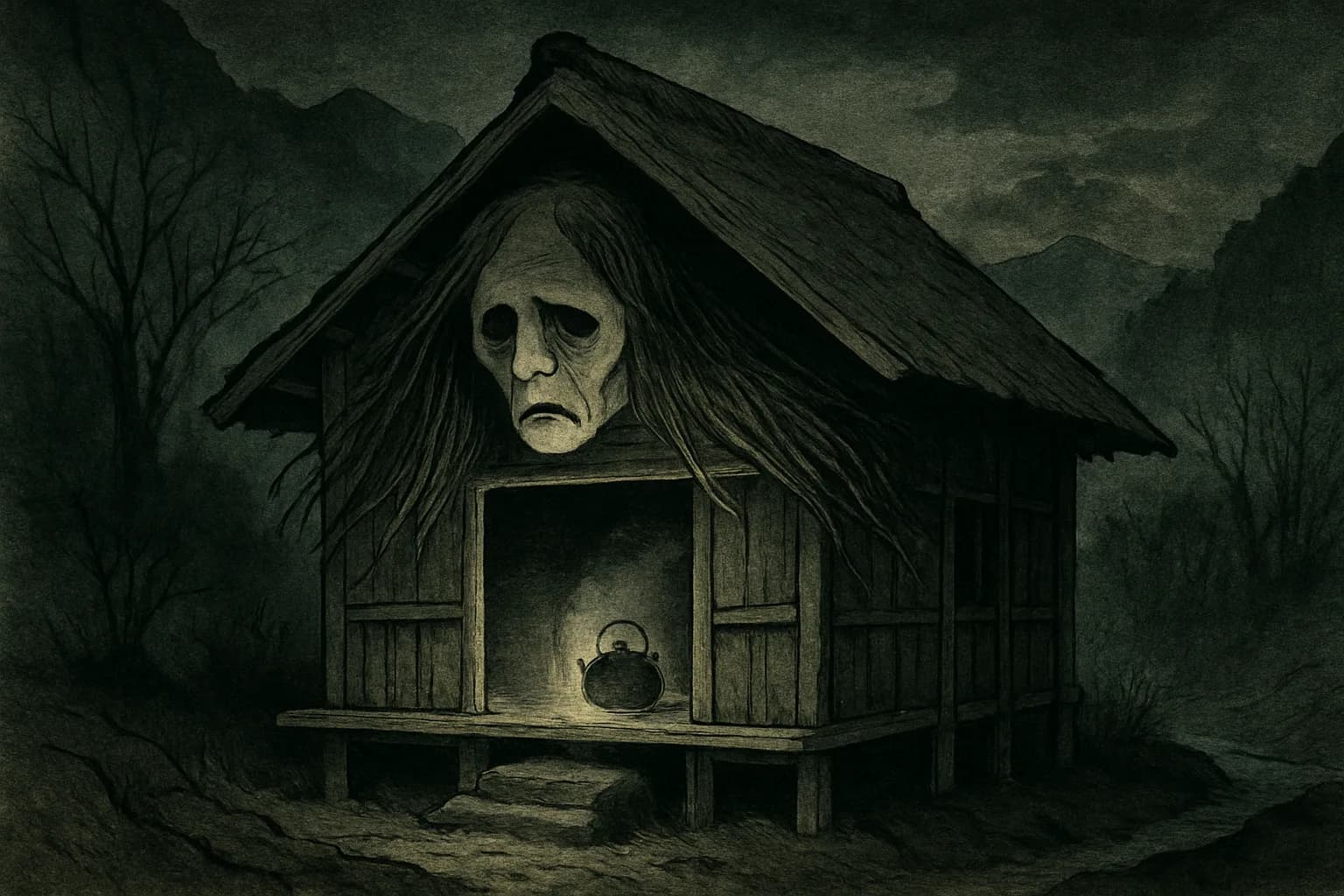
One story explains how people first learned to survive Noma. It is set at a tatara, a traditional iron-smelting furnace, in Hinui village. A laborer had fallen asleep on watch. A woman appeared and covered him, as if shielding him from something. Then came the sound of a horse, neighing, moving closer through the dark. It reached the window and looked in. It saw the woman standing over the sleeping man, and it fled.
Villagers said the woman was Kanayago, the guardian deity of tatara ironworking, watching over her forge. The one recorded attack ends with her arrival.
Where it comes from
Noma's written trail starts late for a yokai story. The folklorist Takemoto Kenpu recorded it in 1929. He titled the report Iwami yori, or From Iwami, and it ran in the journal Minzokugaku. That is the earliest source anyone has traced.
Mizuki Shigeru, working decades later, thought the creature was older than its paper trail suggests. He pointed to the old kagura, sacred dance rituals still performed in the region. He read them as a sign of deep, older belief underneath the story.
Read plainly, Noma explains a real risk. People vanished on lonely roads, or near a forge running through the night. A one-eyed horse in the dark gave that risk a shape, and a name.
Noma today
Noma never became a mascot the way kappa or tengu did. It has no cucumber, no catchphrase, no theme-park version. What keeps it alive are reference works. One is Mizuki Shigeru's yokai catalogues. Another is a database of strange phenomena and yokai, kept by Japan's International Research Center for Japanese Studies. Both trace the creature back to the same 1929 field report from Iwami.
Ninety years on, the record is still thin: one eye, one legend, one goddess who scared it away. In Hinui, that is enough to remember something by.