In the summer of 2003, someone posted a short story to a Japanese message board. It described a childhood memory: a hot, windless day, a rice field stretching to the horizon, and something white standing far out in it, bending back and forth. The post never claimed to be true. Readers have retold it as if it were ever since.
What does it look like?
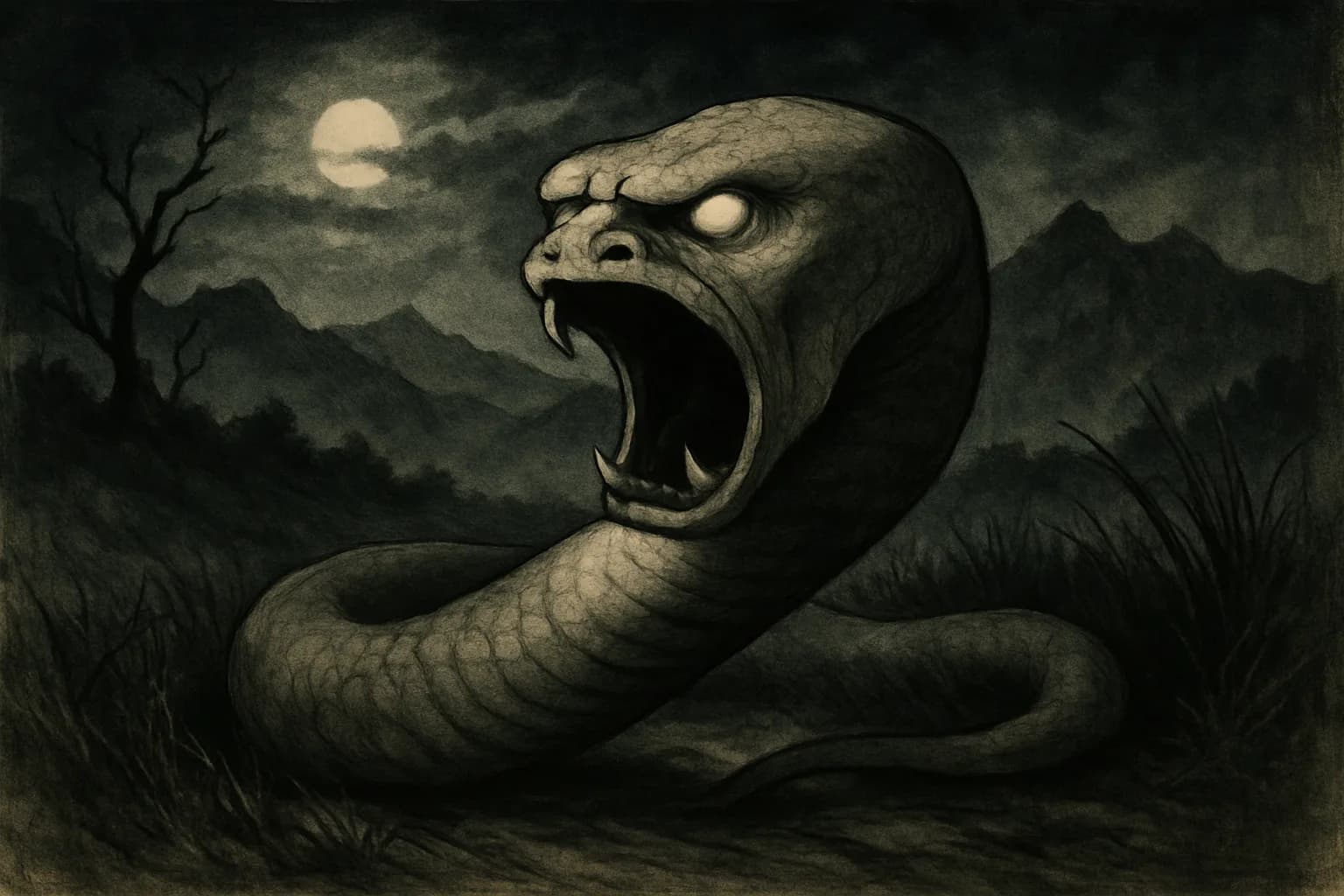
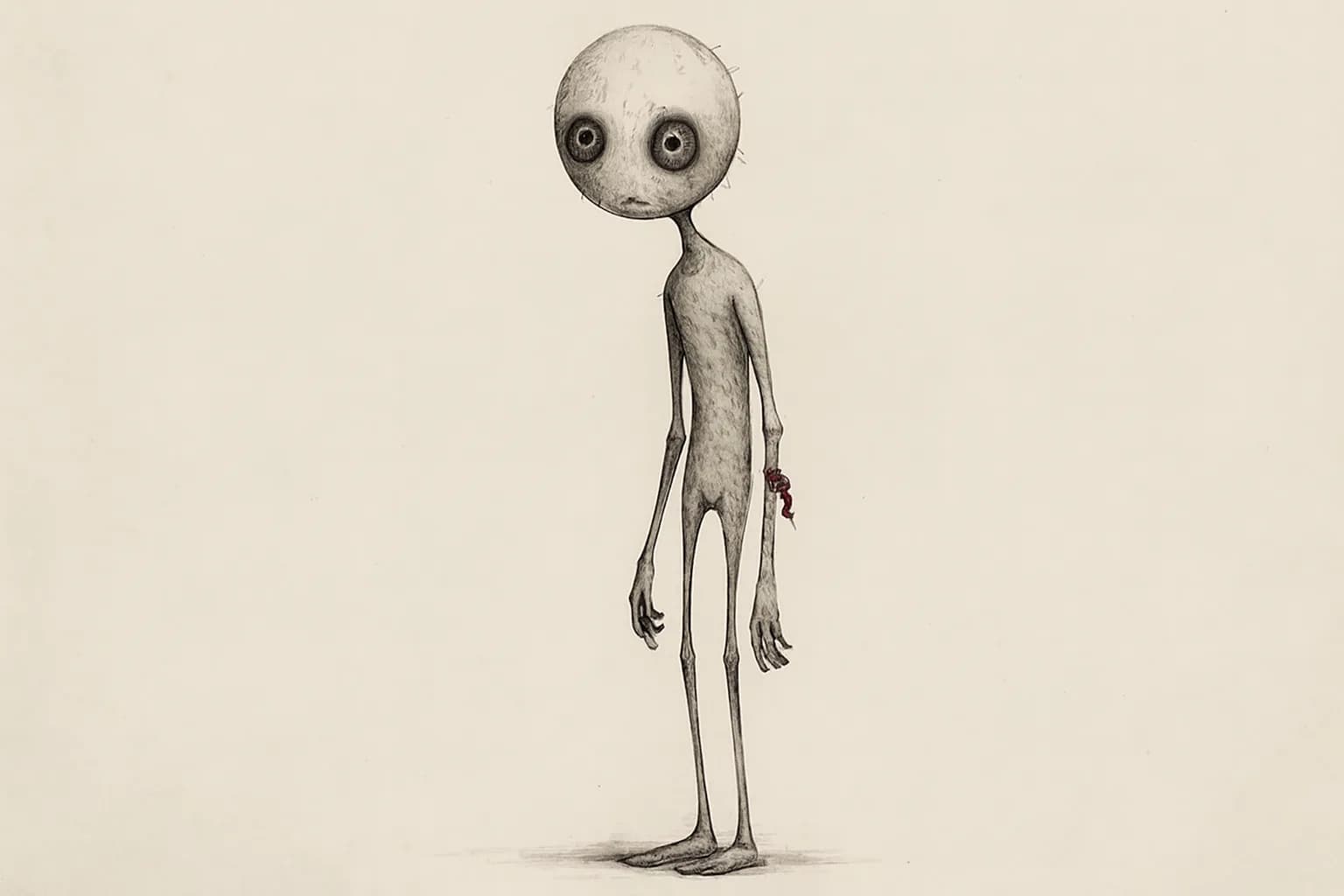
Kunekune has no fixed shape. Most versions describe it as tall, thin, and pale — sometimes white, sometimes the color of old paper. It stands alone, far out in a rice paddy, with no road or house nearby. No version describes its face. In the story, no one ever gets close enough to see one.
Its name describes what it does, not what it is. Kunekune is Japanese for a repeated bending, wobbling motion — the word for a snake, a hose, or someone dancing loosely. The shape in the story does exactly that. It bends at the waist, over and over, for no reason anyone explains.
The story, as it's usually told
Versions differ in small details, but the shape of the plot stays the same. A child is on summer vacation in the countryside. Looking out over the rice fields, they notice something white and human-shaped in the distance. It is moving oddly, bending and twisting on repeat. They point it out to a parent, sibling, or friend.
The other person tells them to stop looking. Some versions give a reason. Staring too long causes the harm. So does using binoculars to see it better. The curious character looks anyway. Afterward, they go mad, collapse, or die. The story never explains what they actually saw. Only that understanding it was the danger.
Why no one looks twice
There is no cucumber to offer kunekune, no bow that will send it away. Unlike a kappa or a fox spirit, it can't be tricked or befriended. The one rule every version agrees on is simpler than that: don't look closely. Don't use binoculars. Don't walk out into the field to check.
That makes it an unusual kind of warning story. Most yokai tales warn you about a place, a time of night, or an object you shouldn't touch. Kunekune warns you about your own curiosity. The moment you work out what you're looking at is the moment it hurts you.
Where it comes from
Kunekune has an origin date most yokai don't: 2003. It appeared on 2channel, Japan's largest anonymous message board, in a long-running thread where posters shared stories they swore had really happened to them. The genre had its own unwritten rules — write it like a memory, keep the setting ordinary, and never explain too much.
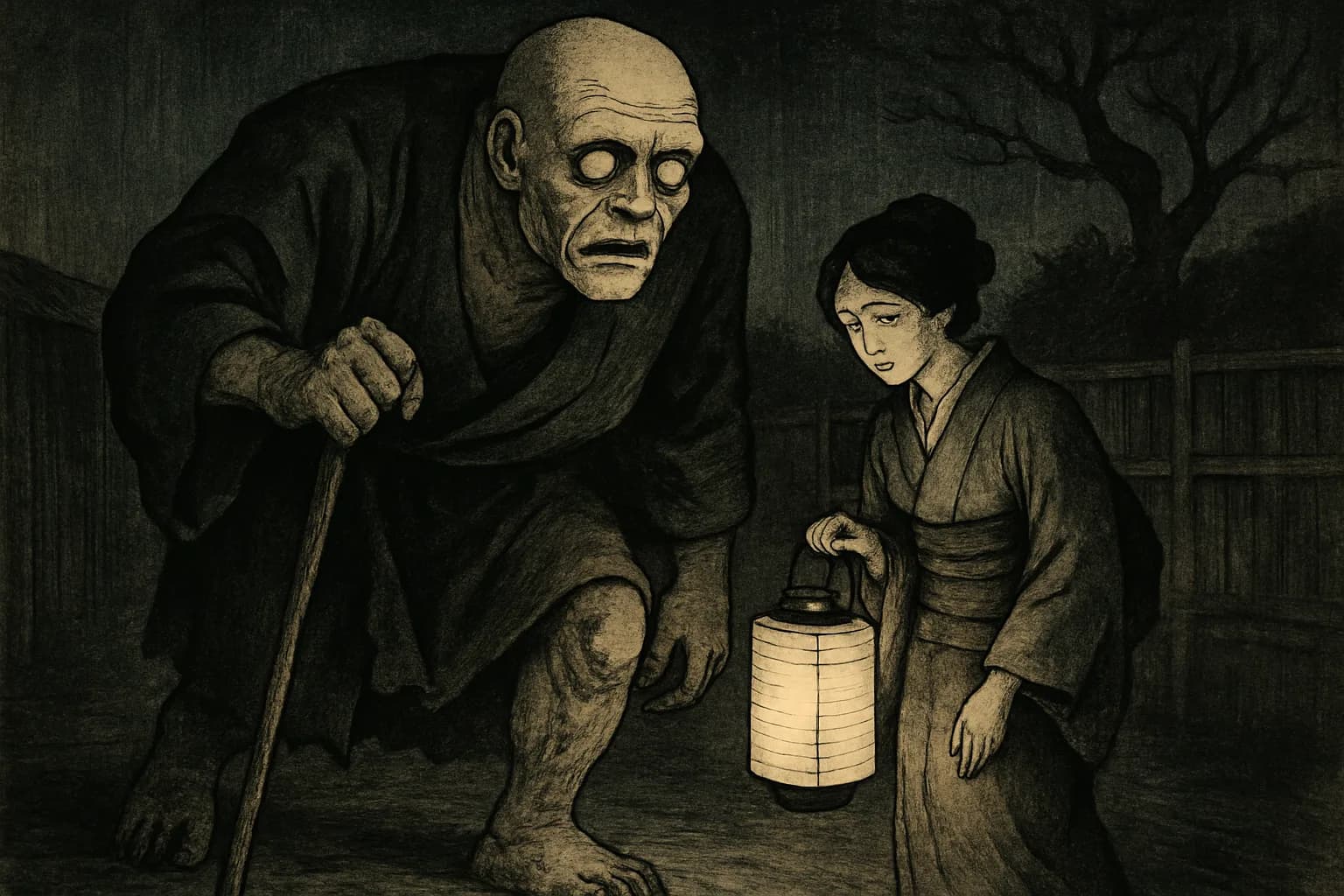
That same thread produced more than one creature. Hasshaku-sama, a story about a tall woman glimpsed near a country house, followed in 2008. Both spread the same way: copied from board to board, then site to site, picking up detail each time, until the original post was buried under its own retellings.
Writers sometimes call this kind of story netlore — horror dated and posted like anything else online, then handed down and retold until it reads like something older. Kunekune has no ancient source because it doesn't need one. It appeared as fiction, posted once in 2003. It has been retold as memory ever since.
Kunekune today
For most of its first decade, kunekune stayed almost entirely online, passed between Japanese message boards and horror-story compilation sites. English-language horror communities later translated and retold it for readers outside Japan, the same way it once spread from board to board at home.
It's usually grouped with hasshaku-sama and the other 2channel-era stories as an example of Japanese netlore — horror built for the internet, then treated like folklore by everyone who found it convincing enough to pass along.